
How to Wash Towels So They Stay Soft, Fluffy, and Absorbent
This post contains affiliate links. If you make a purchase through one of these links, we may earn a small commission at no extra cost to you. We only recommend products we genuinely like and would use ourselves.
Musty towels often point to the machine itself, so read why your washer smells bad too.
If your towels have gone stiff, scratchy, or stopped soaking up water the way they used to, the problem almost certainly isn’t the towels themselves: it’s how they’re being washed. Knowing how to wash towels properly is one of those small laundry skills that makes a bigger difference than people expect, and once you get the routine right, it barely takes any extra effort.
This guide walks through exactly how to wash towels step by step, the mistakes that quietly ruin softness and absorbency over time, and how often you actually need to run a load.

Quick answer: Wash towels in the machine step by step, skip fabric softener because it ruins them, use the vinegar method for softer towels and dry them properly. My own trick for fluffy towels: dryer balls and a scented sheet in the dryer.
How to Wash Towels: The Basics
The core of how to wash towels correctly comes down to three things: water temperature, detergent amount, and what you leave out of the load.
Water temperature. Warm water, around 104°F (40°C), is the sweet spot for everyday towel washing: it’s hot enough to clean effectively without being harsh on the fibers. Save hot water for towels that need real sanitizing, like after an illness in the house or when towels have developed a musty smell that a regular wash won’t touch. Always check the care label first, since hot water can fade colors and shrink certain blends faster than warm water will.
Detergent amount. More detergent doesn’t mean cleaner towels: it usually means more residue. A gentle liquid detergent, used at about half the amount you’d use for a load of clothes, is enough to get towels clean without building up in the fibers over time. This matters even more if you have a front-loading washer, since those machines use less water overall and rinse out less detergent residue per cycle.
What to leave out. This is the part most people get wrong when figuring out how to wash towels, so it gets its own section below.
How to Wash Towels in the Washing Machine (Step by Step)
If you’re wondering how to wash towels in the washer without guesswork, here’s the actual routine:
- Separate towels from clothing with zippers, hooks, or heavy embellishments that can snag the terry loops.
- Sort by color the first few washes, since new dark towels can bleed slightly until the extra dye rinses out.
- Don’t overload the drum: towels need room to tumble freely against the water and detergent, or they won’t rinse clean.
- Use warm water and a normal or “towels/heavy duty” cycle if your machine has one.
- Skip the fabric softener (more on why below) and add your softening agent of choice instead.
- Run an extra rinse cycle if your detergent tends to leave a residue on dark colors.
This same basic sequence answers how do you wash towels in a washing machine regardless of brand: the settings and names might differ slightly, but warm water, a full-but-not-crammed load, and the right products matter more than which exact cycle you press.
Why Fabric Softener Is Ruining Your Towels
If you’ve ever wondered how to wash towels and still ended up with a fluffy-looking but not-actually-absorbent stack, fabric softener is almost always the culprit. Fabric softener works by coating fibers in a thin waxy layer, which is exactly what makes clothes feel silky: but on terry cloth, that same coating blocks the tiny loops that are supposed to soak up water. Over time, the residue builds up wash after wash, and towels start to feel like they’re repelling water instead of absorbing it.
Skip fabric softener entirely for the first few washes on new towels, and use it sparingly (if at all) going forward.
The Vinegar Method for Softer Towels
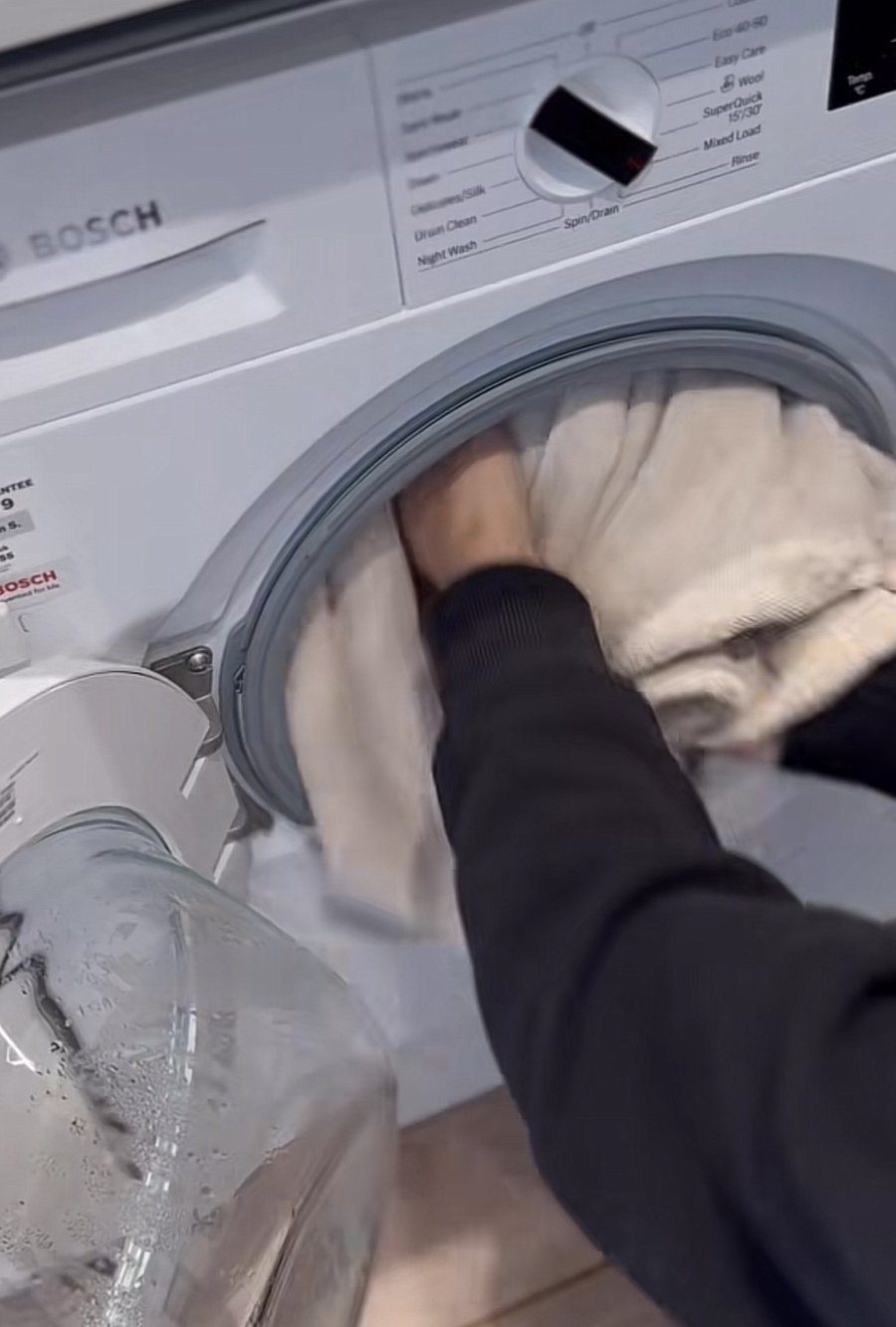
One of the most effective answers to how do I wash towels and keep them genuinely soft is also one of the cheapest: plain white distilled vinegar. Pour about ¼ to ½ cup into your machine’s fabric softener dispenser in place of a commercial softener. The acetic acid in vinegar cuts through built-up detergent, mineral deposits from hard water, and the residue left behind by old fabric softener use: all without coating the fibers.
A monthly vinegar wash is usually enough to keep towels feeling fresh, though you can use it every time if you’ve fully switched away from fabric softener. According to Home & Gardens’ guide to washing towels with vinegar, laundry professionals increasingly recommend vinegar specifically because it restores absorbency that softener has stripped away, rather than just masking the problem with scent.
If hard water is a recurring issue in your house, it’s worth reading how we compare tough mineral-deposit cleaners elsewhere in the home: the same hard water buildup that dulls tile can also be part of why towels feel stiff.
Drying Towels the Right Way
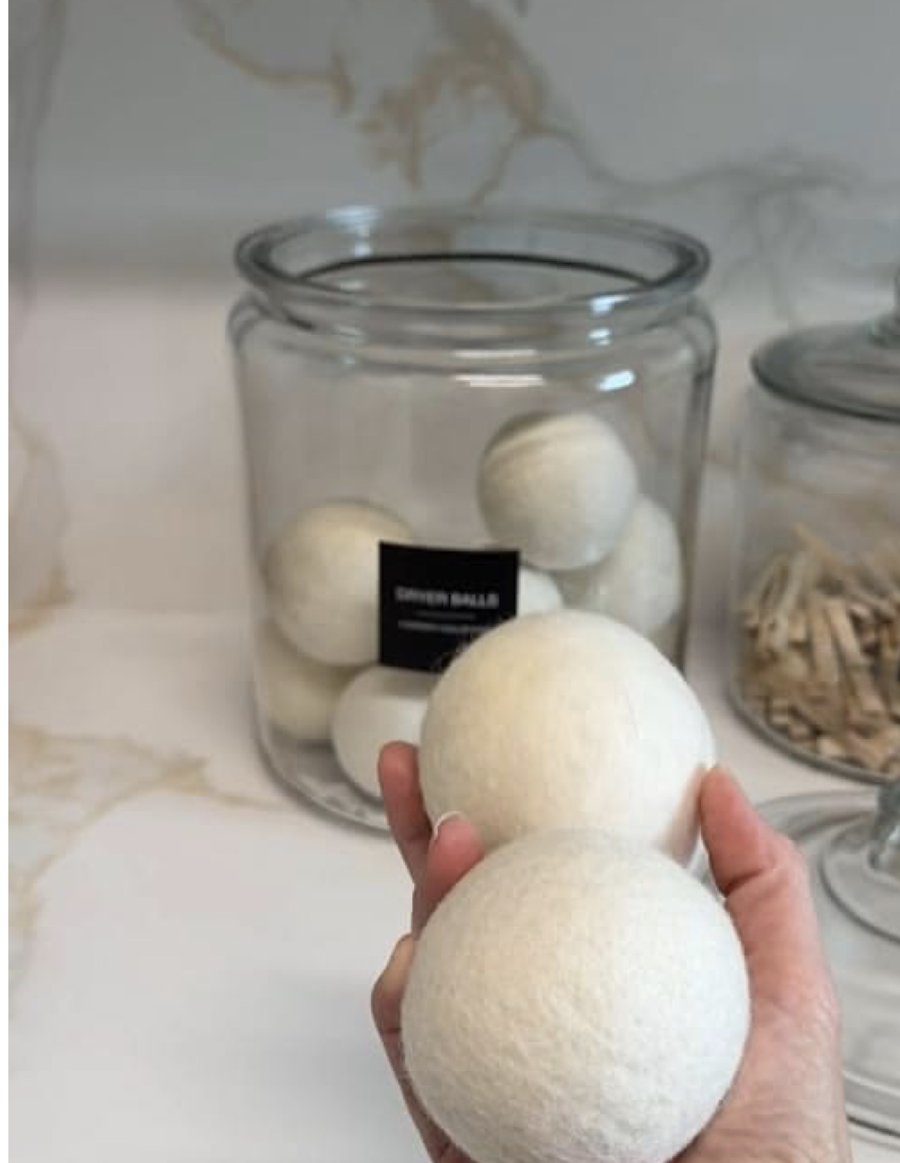
Knowing how to wash towels only solves half the equation: drying matters just as much. High heat breaks down fibers over time, so a medium heat setting is usually enough to get towels fully dry without cooking the terry loops. Adding a couple of wool dryer balls helps towels tumble more freely, which cuts drying time and naturally fluffs the fibers without any added chemicals.
The most important habit: pull towels out as soon as the cycle ends rather than letting them sit in a warm, done dryer. Leftover heat with no airflow is a fast way to flatten fibers and reintroduce a stale smell. A quick snap or shake of each towel before folding also helps loosen and fluff the loops back into shape.
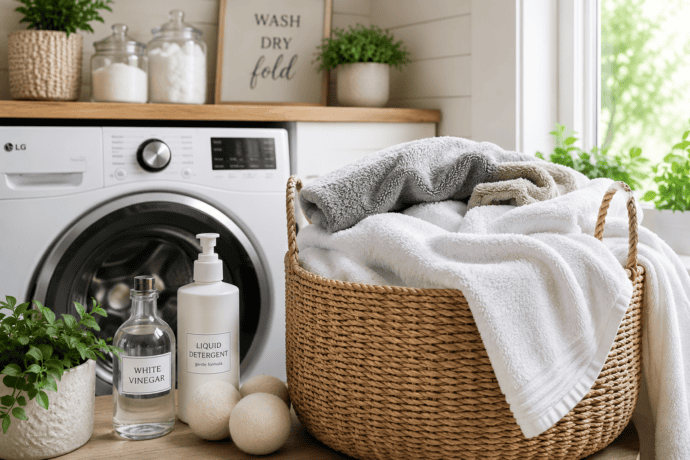
My dryer routine for fluffy towels. After washing, I put the towels in the dryer with a couple of dryer balls and one scented dryer sheet. The towels come out soft, fluffy and fresh smelling, like new. One thing to keep in mind: dryer sheets can leave a light coating on the fibers over time. If your towels ever stop absorbing water well, skip the sheet for a few washes and use the vinegar method above to reset them.
How Often Should You Wash Your Towels?
Even if you’ve nailed how to wash towels the right way, washing them too often or not often enough undoes a lot of the benefit. A bath towel used by one person can generally go three to four uses between washes, since it’s mostly touching a clean, dry body right after a shower. Hand towels and kitchen towels need far more frequent washing, every one to two days, since they pick up bacteria from hands, dishes, and countertops throughout the day. If a towel smells musty after just one use, that’s usually a sign it didn’t dry fully between washes rather than a sign you need to wash more often. For more on how usage frequency affects hygiene, Consumer Reports breaks down exactly how often different towel types should be washed.
Folding towels into your existing laundry rhythm, rather than treating them as a separate chore, makes this much easier to stick to. If you already have a simple laundry routine in place, towels slot in as just one more category rather than an extra task to remember.
Keeping Bathroom Towels Fresh Between Washes
Part of knowing how to wash towels well is also knowing how to store them between washes so they don’t need rewashing sooner than necessary. Always hang towels fully spread out on a bar or hook rather than balling them up on a ring: trapped folds stay damp longer and start smelling musty within a day, which then forces an extra, unnecessary wash. A bathroom with decent airflow makes a bigger difference here than people expect; if your bathroom tends to stay humid, towels will need more frequent washing no matter how well you followed every step above.
This is also a good moment to fold towel care into a broader routine rather than treating it as its own separate errand. The same logic behind cleaning the house fast applies here: small, regular habits (hanging towels properly, washing on schedule) save far more time than an occasional deep-clean scramble when everything starts smelling musty at once.
Common Mistakes That Undo Good Towel Care
Most people don’t get how to wash towels wrong on purpose: these habits just tend to sneak in over time:
- Using too much detergent. It builds up in fibers and actually reduces absorbency over time: the opposite of what most people assume.
- Relying on fabric softener every wash. It’s the single biggest cause of towels that look fine but don’t absorb water well.
- Overcrowding the washer. Towels need room to move, or detergent won’t rinse out evenly.
- Skipping the dryer balls or over-drying. Both extremes, under-drying (mustiness) and over-drying (stiff, brittle fibers), cause problems.
- Ignoring white towels until they yellow. If this is a recurring issue, our guide on getting white clothes white again applies just as well to towels as it does to shirts and sheets.
Does the Washing Machine Brand Change Anything?
People often ask whether how to wash towels in washing machine models from different brands actually changes the process. The honest answer is: barely. A front-loader uses less water and less detergent than a top-loader, and some newer machines have a dedicated “towels” or “bulky items” cycle that adjusts spin speed automatically, but the underlying principles of how to wash towels stay the same across every brand: warm water, a reasonable detergent amount, and no fabric softener. If your machine has a sanitize or extra-rinse option, those are worth using occasionally, but they’re a bonus, not a requirement.
Towel Problems and What Usually Causes Them
If your towels still feel off after washing, match the symptom to the likely cause before changing everything at once.
- Towels smell sour after washing: This is usually trapped moisture or product buildup. Avoid overloading the drum, make sure towels dry completely, and do not leave them sitting wet in the machine.
- Towels feel stiff or scratchy: Too much detergent, hard water minerals, or over-drying can leave fibers rough. Use the amount of detergent listed for your load size and try the vinegar rinse described above.
- Towels do not absorb water: Fabric softener and dryer sheets can coat the fibers. Stop using them on towels and run a hot-as-the-label-allows wash without softener.
Always follow the care label on your towels and the manual for your washing machine, since recommended temperatures vary by fabric.
Quick FAQ
How do you wash towels for the first time after buying them? Wash new towels once, unscented and without fabric softener, before use: this removes manufacturing residue that can otherwise reduce absorbency right out of the gate.
How do I wash towels that smell musty no matter what? Run them through a hot wash with no detergent at all, followed by a normal wash with detergent: this two-step reset usually clears out bacteria that a single regular wash won’t fully remove.
Can I wash towels with regular laundry? Light-colored towels can go in with similar-colored clothes, but avoid mixing towels with anything that has zippers, hooks, or heavy trims that can snag the terry loops.
Is cold water ever appropriate for towels? Cold water is fine for maintaining color on darker towels, but it’s less effective at fully rinsing out detergent, so warm water is still the better everyday default.
Bringing It All Together
Learning how to wash towels properly really comes down to a short list: warm water, the right amount of gentle detergent, skipping (or drastically reducing) fabric softener, and drying on medium heat instead of high. Add a monthly vinegar rinse if towels start feeling stiff, and pull them from the dryer as soon as the cycle ends. None of this adds real time to laundry day: it’s mostly about swapping habits, not adding steps. Once the routine is dialed in, it becomes just another part of keeping the house running smoothly rather than a chore that needs extra thought.
Our Favorite Towel Care Products
As an Amazon Associate, we earn from qualifying purchases.
- Wool Dryer Balls (Set of 6)
- White Distilled Vinegar, Laundry Size
- Free & Clear Gentle Liquid Detergent
- 100% Cotton Bath Towel Set
Sources referenced:
- Whirlpool. How to Wash & Dry Towels to Keep Them Soft
- Home & Gardens. How to Wash Towels With Vinegar
- Consumer Reports. How Often Should You Wash Your Towels?