
My Simple Laundry Routine: How I Organize Washing Days for a Calm, Fresh Home
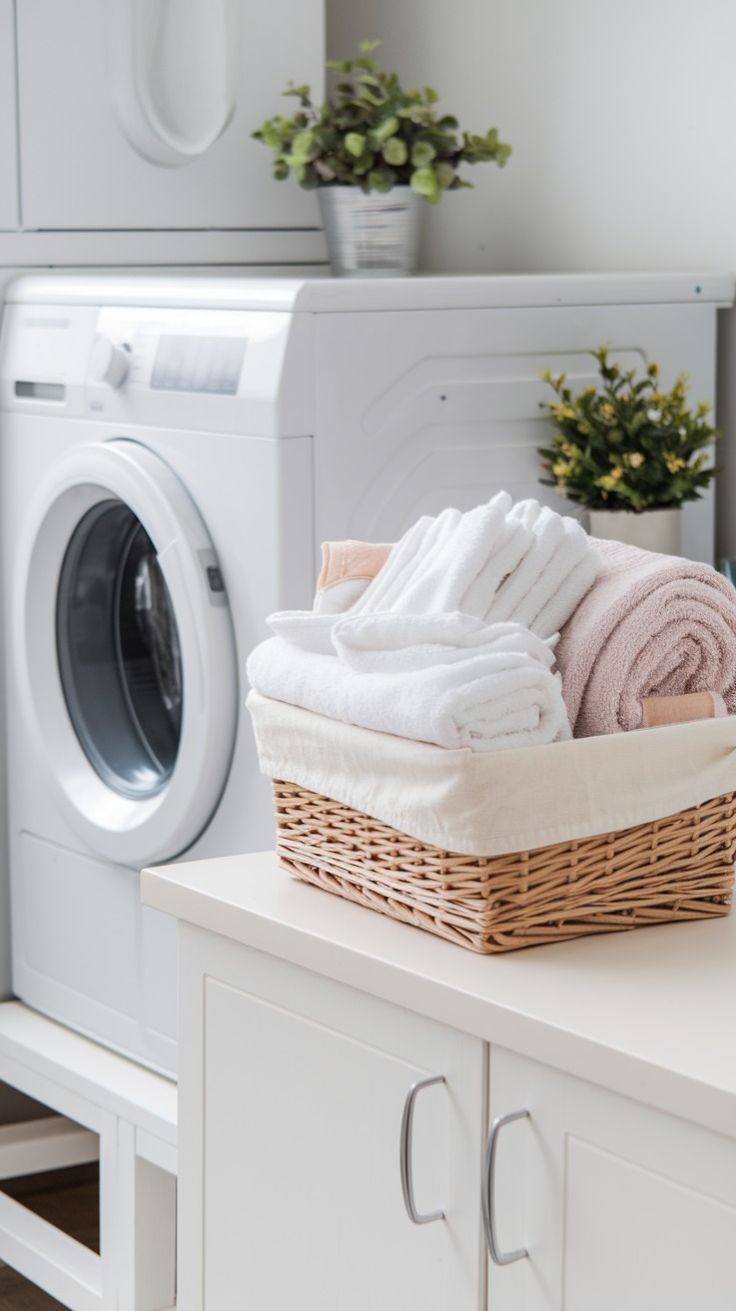
A simple laundry routine is less about a perfect schedule and more about not letting piles take over. When clothes are sorted, washed and put away before the next load builds up, laundry stops feeling like a chore that never ends.
I like a clean, organized home, and with two dogs there is always extra hair and dirt to deal with, so laundry matters. I separate my laundry by type of clothes, and the rest of this guide explains the thinking behind that and how you can build a routine that fits your own household, without a rigid timetable.
If your laundry still smells off after washing, check why your washer smells before changing detergent.

Feeling mentally overloaded? I created a gentle guide to help you unload your mind and feel lighter.
Instant download →Quick Summary: A simple laundry routine sorts clothes by type, finishes each load from washing to folding before the next one starts, and adjusts to how dirty things actually get. Below you will find how to sort, how to wash whites and colors, how to handle bedding, towels and pet hair, and how often everything really needs washing.
1. Build a Routine Around Your Household, Not a Perfect Schedule
Pinterest-style laundry calendars look neat, but real weeks are not predictable. A better approach is a few simple rules:
- Sort by type of clothes. Keep whites, colors, bedding, towels and delicates in separate baskets so loads are ready to wash without sorting each time.
- Wash when a basket is full. A full basket is a better signal than a day of the week.
- Finish what you start. Move each load from washer to dryer or line to folded stack before starting a new one.
- Add extra loads when life needs it. Muddy towels, dog blankets or sick days will not fit any schedule, and that is fine.
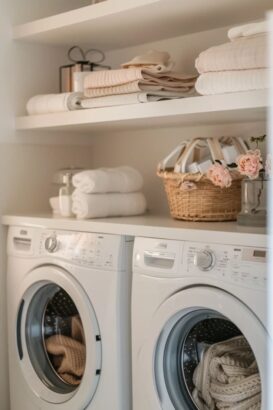
2. How to Wash Whites and Colors
Whites and colors need different care so that clothes stay clean and keep their look. Always check the care label first, since fabrics vary.


White Clothes
- Sorting: Wash pure whites apart from off-whites and light colors. Mixing them can make whites look gray over time.
- Water temperature: Warm water helps lift body oils and stains from most cotton whites, as long as the care label allows it.
- Detergent: A detergent with an oxygen-based whitener is gentler on fibers than chlorine bleach. If whites have turned dull, our guide on how to get white clothes white again explains what works. One option to consider is an eco-friendly whitening detergent.
- Drying: Sunlight is a natural brightener, so line drying whites outdoors when the weather allows is a good habit.
Colored Clothes
- Sorting: Separate darks, brights and pastels to prevent dulling and color transfer.
- Water temperature: Cool or cold water helps preserve dyes.
- Detergent: A color-protecting formula helps prevent fading. A color-safe liquid detergent is one example.
- Drying: Hang delicate fabrics to dry instead of using high heat. It helps clothes last longer.
Refresh Without Overwashing
Clothes that were worn briefly do not always need a full wash. Airing them out for a few hours can be enough, and it saves water and wear on fabrics.

3. Laundry With Dogs: Pet Hair and Extra Dirt
If you share your home with pets, laundry needs a few extra habits. With two dogs, this is part of everyday life for me.
- Wash dog bedding and blankets separately from clothes, so hair and dirt do not spread to everything else.
- Shake items outdoors first to remove loose hair before they go into the machine.
- Run an empty cycle or wipe out the drum now and then, and clean the lint filter after every dryer load, since pet hair collects there quickly.
- Keep towels for muddy paws by the door, and wash them often.
Hair on floors and rugs is a related problem, and these guides can help: how to keep floors clean with dogs and how to keep rugs clean with dogs.
4. Ironing and Folding
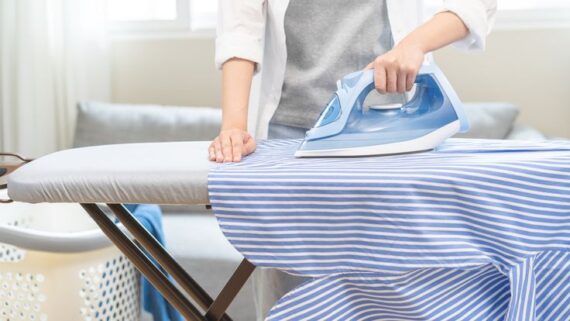
Folding clothes while they are still fresh keeps wrinkles down, and a basic rule helps: touch each item once, fold it and put it where it belongs.
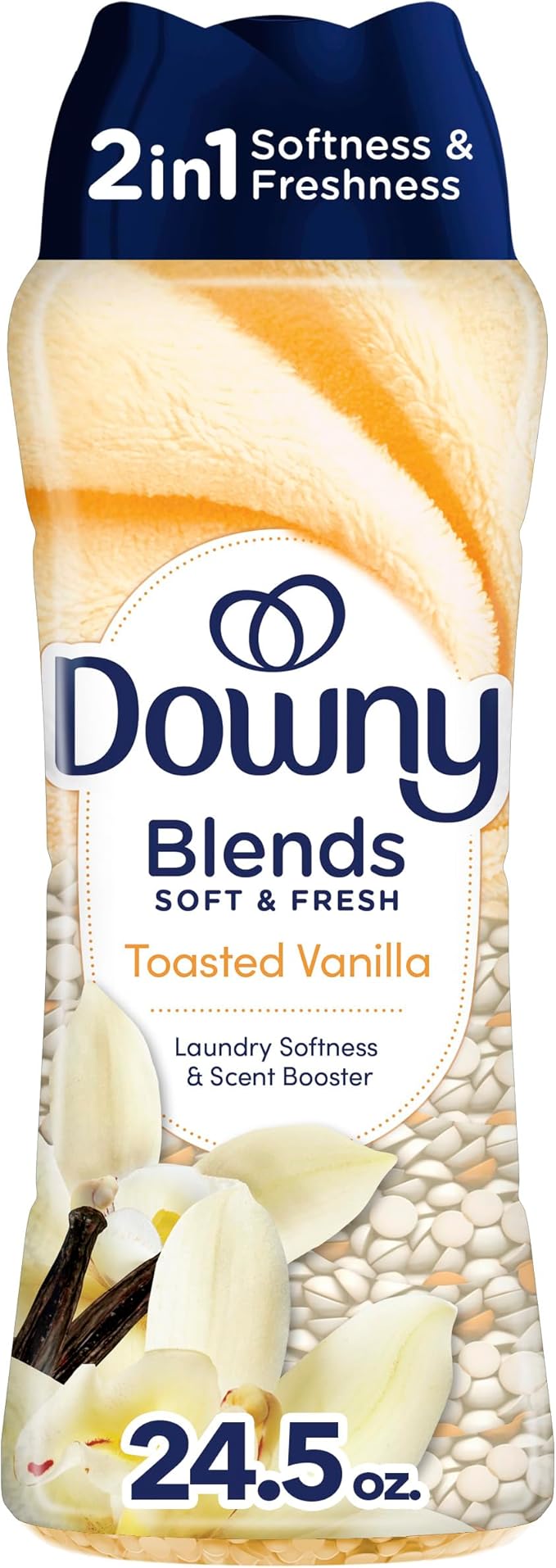
Downy Blends In-Wash Laundry Scent Booster Beads
Toasted Vanilla Scent, 24.5 OZ, Fabric Sottener Beads and Freshness.
Buy on Amazon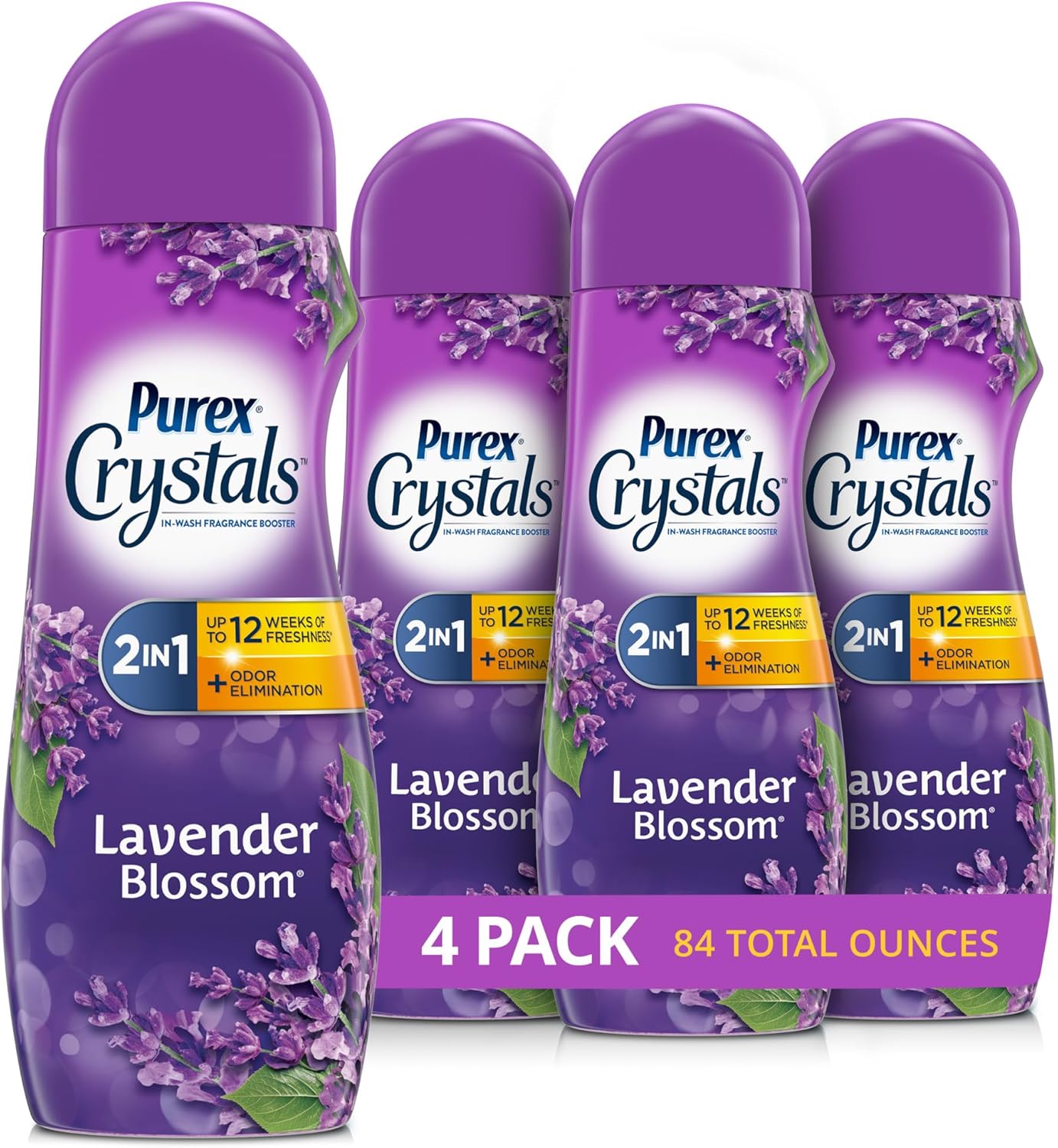
Purex Crystals In-Wash Scent Booster, Lavender Blossom
Long-Lasting Freshness & Odor Elimination Technology.
Buy on Amazon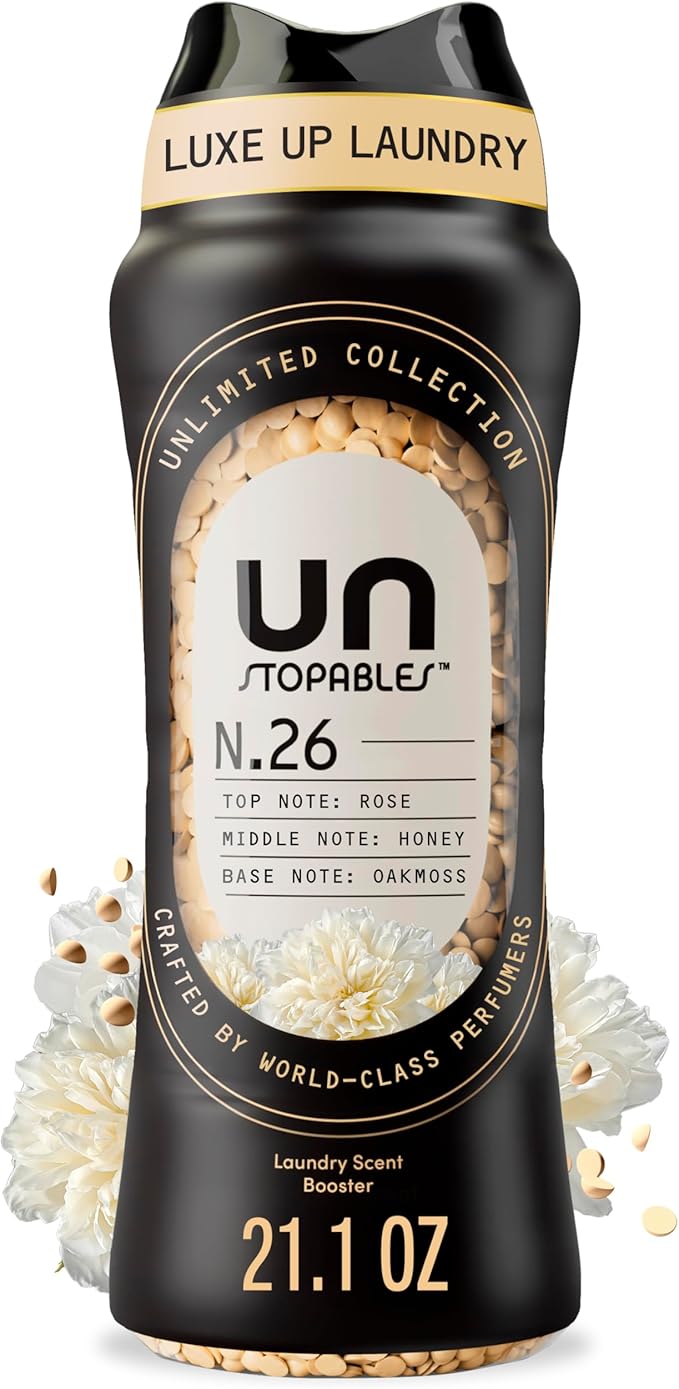
rose Laundry Scent Booster Beads
Downy Unstopables Unlimited Collection In-Wash Laundry Scent Booster Beads, No. 26, Fine Fragrance, Long-Lasting Fresh Scent Beads, 21.1 oz.
Buy on AmazonIroning
Sort by fabric first, since cotton, linen and delicates need different heat. Use the setting on the care label, and place a thin cotton cloth between the iron and delicate fabrics to avoid shine or heat marks. If you are shopping for one, a steam iron with adjustable settings is a practical choice.
Folding and Storing
Store clothes by category, such as tops together and linens stacked by size. Small organizers help keep delicates separate. Putting clothes away right after folding is what stops piles from coming back.

Rowenta Steam Station, Stainless Steel Soleplate, 1.1L Removable Tank, 1800 Watts, DG8624
*This post contains affiliate links. I may earn a small commission at no extra cost to you.
5. Choosing Detergent and Scent
You do not need a complicated setup. A basic detergent that suits your water and your skin, plus a color-safe or whitening option if you need it, covers most households. If anyone in your home has sensitive skin, a fragrance-free or lightly scented detergent is the safer choice. If you like a fresh scent, a natural lavender and cedarwood laundry detergent is one option, and wool dryer balls can replace some fabric softener. Use less than you think you need, because too much detergent leaves residue and can cause odors.
6. Organizing Laundry Essentials: Baskets, Shelves and Small Systems
A little organization makes a routine easier to keep. Separate baskets, one for each type of laundry, remove the sorting step, and a small label helps everyone in the house use them. Keep detergent, stain remover and other supplies together on a shelf or in a small caddy near the washer, and use hooks for mesh bags or items that need to air dry. Even a small laundry corner works well with vertical storage. If you want a set of baskets, these woven laundry baskets with lids are one example.
7. Washing Bed Linens and Towels
Sheets and Pillowcases
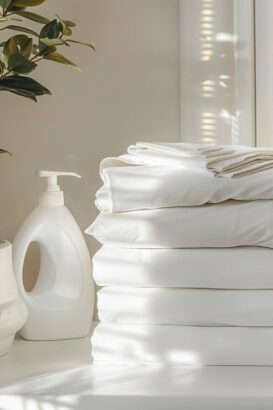
Wash sheets about once a week, or every two weeks if that is more realistic, using the warmest water the care label allows. This removes body oils and buildup. With dogs on the bed or sofa, you may want to wash blankets and throws more often. Every so often, a cup of white vinegar in the rinse can help freshen whites, but avoid mixing it with other cleaning products.
If many things pile up, this guide on Daily Clutter Systems can help you build routines that prevent overwhelm.
Towels
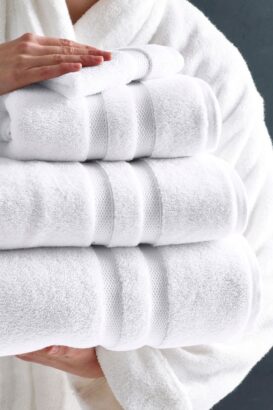
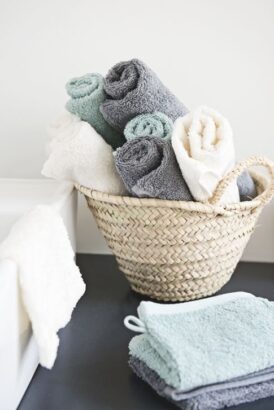
Wash towels separately from linens to avoid lint transfer. Skip fabric softener, which can coat the fibers and reduce absorbency, and make sure towels dry completely to avoid musty smells. Our full guide on how to wash towels covers temperature, drying and common problems. If you want a fresh scent, you can use a linen-scented natural detergent.
8. Small Touches That Make Laundry Nicer
A few simple details can make laundry less of a chore. A light linen spray on folded sheets, a lavender sachet in a drawer or dried herbs between linens add a gentle scent. Keep them light, since strong fragrance can bother people and pets. If you like this idea, here is a natural linen and lavender fabric spray to consider.
How Often Should You Wash Everything?
A routine only works if it matches how often things actually get dirty. These are common guidelines you can adjust to your household:
- Underwear, socks and workout clothes: after every wear.
- Everyday tops: after one or two wears.
- Jeans and sweaters: every few wears, unless they are stained or smell.
- Bed sheets and pillowcases: about once a week.
- Bath towels: every three to four uses, as long as they dry fully between uses. See how to wash towels for details.
- Pet bedding and blankets: weekly or every two weeks, depending on how much your pets use them.
Related Reading
- How to Wash Towels
- How to Get White Clothes White Again
- Why Does My Washer Smell?
- How to Keep Floors Clean With Dogs
- 5-Minute Decluttering Routines
- 30 Minute Weekly Home Reset Checklist
Simple Laundry Routine FAQ
What is a simple laundry routine?
It is a repeating rhythm, such as sorting by type and washing when a basket is full, where each load is washed, dried, folded and put away before the next one starts.
Is it better to do laundry every day or once a week?
It depends on your household. Small daily loads stop piles from forming and are easier to finish. A few laundry days a week suit families who prefer to batch the work. Choose the one you will actually keep doing.
How do I stop laundry from piling up?
The pile usually forms at the last step. Fold clean clothes as soon as the dryer stops, and give each person a basket to carry their own clothes to their room.
Conclusion
A good laundry routine is flexible. Sort by type, finish each load, adjust for pets and busy weeks, and ignore the pressure of a perfect schedule. Start with one change, like separate baskets or folding right away, and build from there.
For more simple home routines, see our minimalist winter cleaning guide.
*This post contains affiliate links. I may earn a small commission at no extra cost to you.



5 Comments