Homemade Window Cleaner: 3 Easy Recipes for Streak-Free Windows
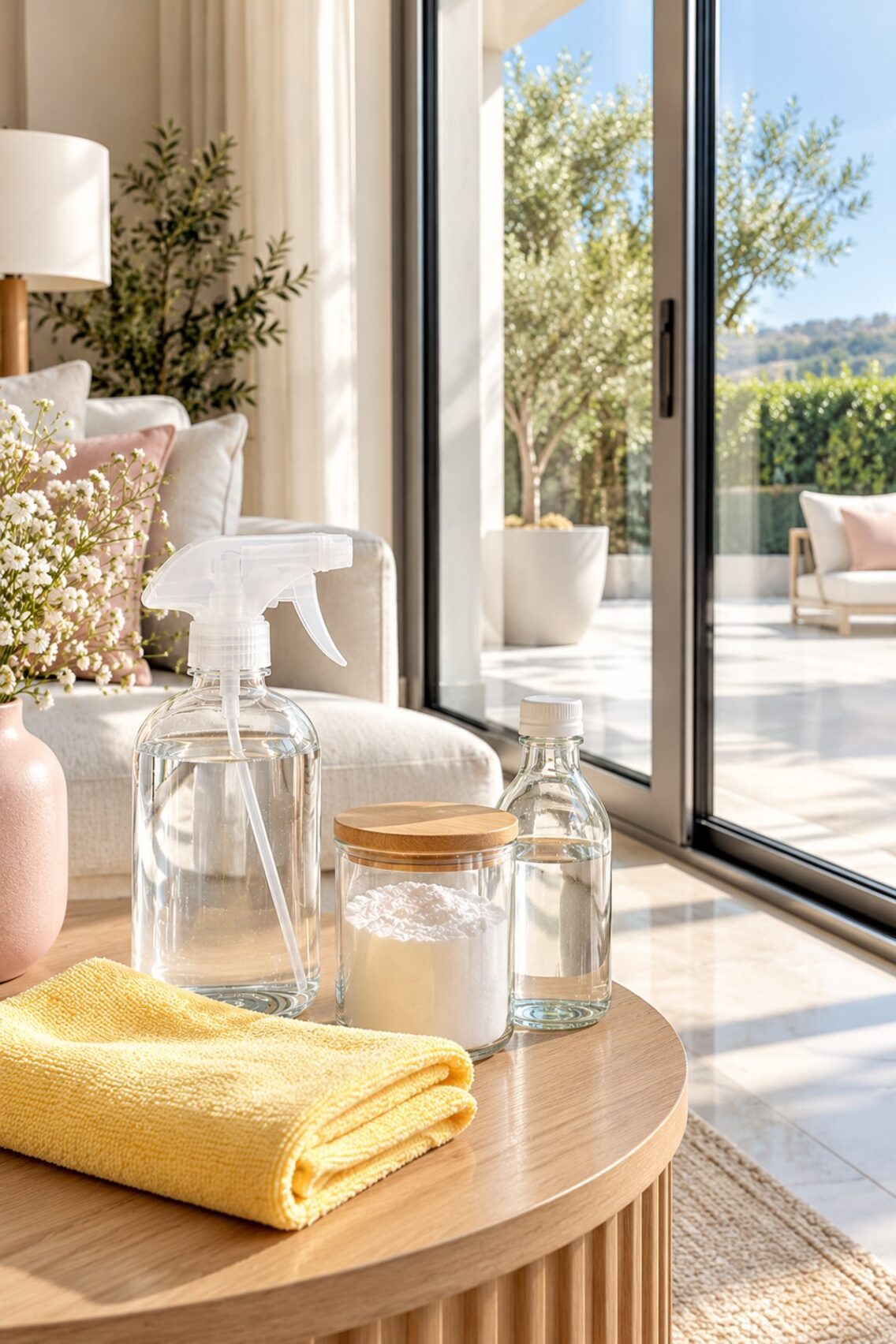
You do not need a blue bottle from the store to get clear glass. A good homemade window cleaner uses ingredients you probably already have, costs a few cents per bottle, and leaves windows just as clear when you use the right mix and the right technique. This guide gives you three homemade window cleaning recipes, when to use each one, and how to wipe so you do not end up with streaks.
Quick answer: My go-to homemade window cleaner is 1 cup of water, 2 tablespoons of white vinegar, 2 tablespoons of 70% rubbing alcohol and 1 tablespoon of cornstarch in a spray bottle. Shake it before each use. It cleans very well and helps stop fingerprints from showing when you touch the glass. For a simpler option, use equal parts white vinegar and water, and for dirty outdoor windows use a few drops of dish soap in warm water.
Why windows streak, and what a homemade window cleaner fixes
Streaks are usually leftover residue, not dirt. Too much soap, hard water minerals, a dirty cloth, or cleaning in direct sun so the liquid dries before you wipe it will all leave marks. A homemade window cleaner works because the mixes below are thin and rinse clean, so there is very little left on the glass to show up as a streak.
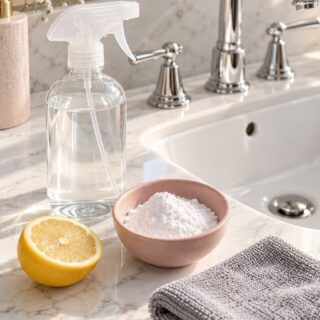
What you need
- White distilled vinegar
- Dish soap
- Rubbing alcohol (isopropyl, 70%)
- A clean spray bottle (label it)
- Clean microfiber cloths, one for washing and one for buffing dry
- A squeegee for large or outdoor windows
Recipe 1: My go-to homemade window cleaner (no fingerprints)
This is the homemade window cleaner I use at home all the time. It cleans very well, and it helps stop fingerprints from showing when you touch the glass afterwards. It works better for me than any store-bought cleaner I have used.
Mix in a spray bottle:
- 1 cup water
- 2 tablespoons white vinegar
- 2 tablespoons rubbing alcohol (70%)
- 1 tablespoon cornstarch
Use: Shake well before every use, since the cornstarch settles at the bottom. Spray lightly, wipe with a microfiber cloth, then buff dry with a second dry cloth.
Keep the alcohol away from heat or flame, ventilate the room, and test a small corner first. Alcohol can damage some window films and plastic trim, and your window maker may have its own care instructions.
Recipe 2: Vinegar and water homemade window cleaner (simple everyday mix)
Mix: 1 cup white vinegar and 1 cup water in a spray bottle.
Use: Spray lightly, wipe with a damp microfiber cloth, then buff dry. Vinegar is acidic, so it cuts through the cloudy film that hard water leaves on glass. It is a good choice if you would rather not use alcohol. The smell fades as the glass dries.
Recipe 3: Dish soap window cleaning solution (for grime and outdoor glass)
Mix: 1 quart of warm water with a few drops (about 1/2 teaspoon) of dish soap. Use a small amount, since too much soap is the number one cause of streaks.
Use: Apply with a sponge or cloth, then pull a squeegee from top to bottom, wiping the blade after each pass. Finish by wiping the edges with a dry cloth. Choose this homemade window cleaning solution for dusty, greasy or outdoor windows where the other mixes will not lift the dirt.
How to use a homemade window cleaner without streaks
- Dust first. Wipe the frame and glass with a dry cloth so you are not smearing dirt around.
- Pick the right time. Clean on a cloudy day or when the window is in shade, so the liquid does not dry before you wipe.
- Spray lightly. A thin, even layer is enough. Heavy spraying leaves residue.
- Wipe in one direction. Use an S pattern or straight lines, then switch to a dry cloth to buff.
- Use clean cloths. Wash microfiber without fabric softener, which leaves a film that causes streaks.
- Do the edges last. Drips collect at the bottom of the pane, so wipe them away at the end.
Other surfaces where I use my homemade glass cleaner
I do not keep this for windows only. I use the same mix on mirrors, chrome, stainless steel and appliances, because it leaves a shine and fingerprints do not stay on the surface the way they do after a store-bought spray.
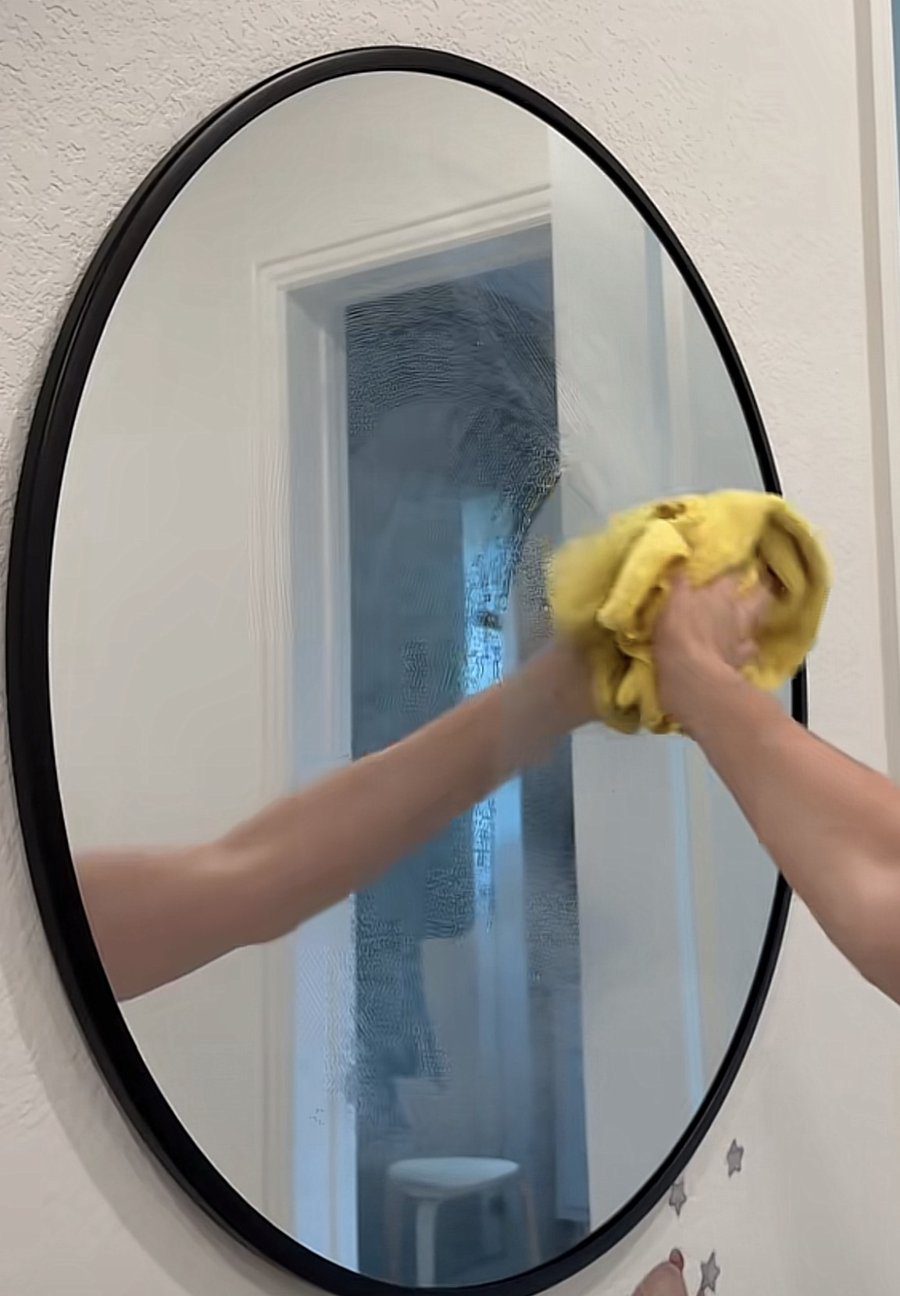
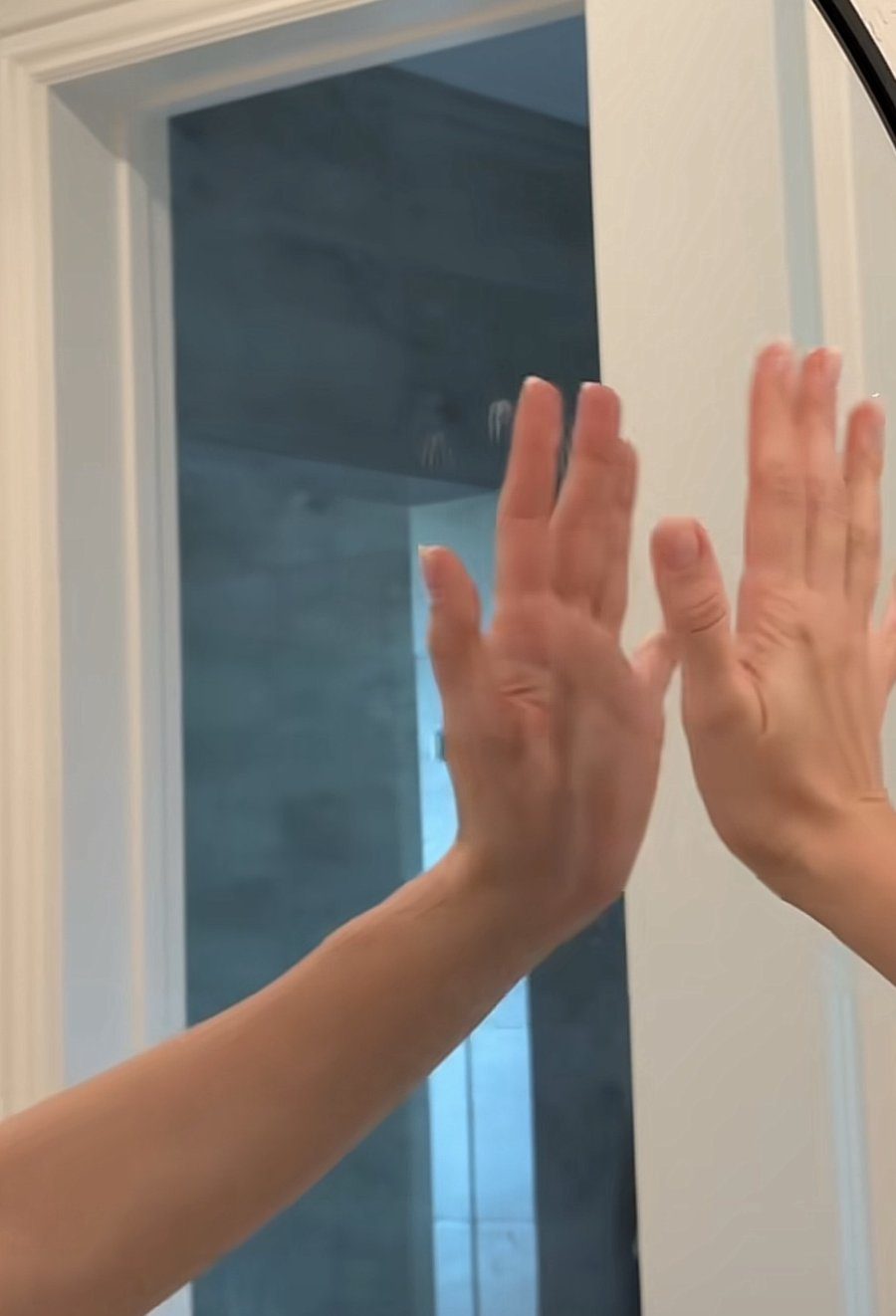
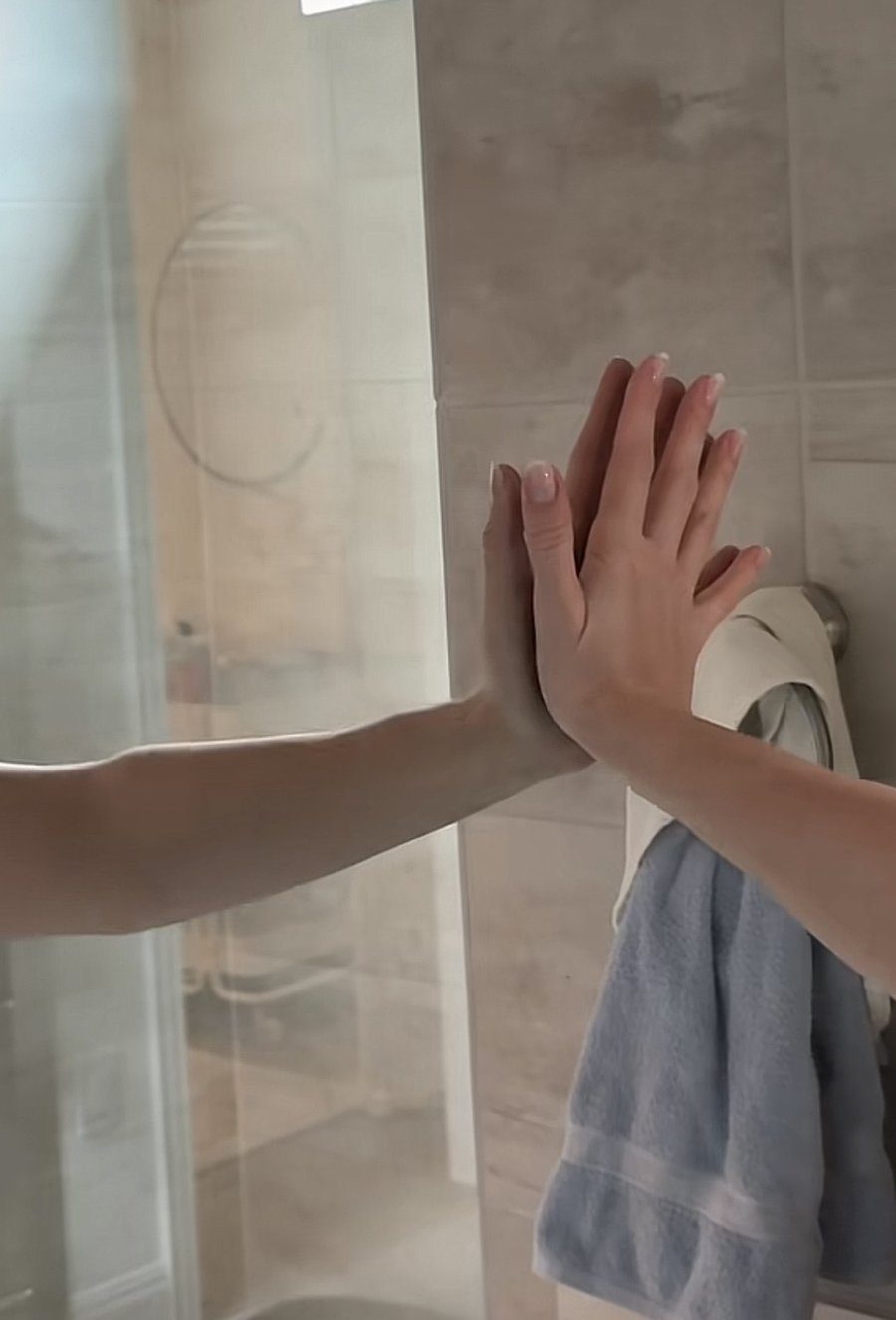
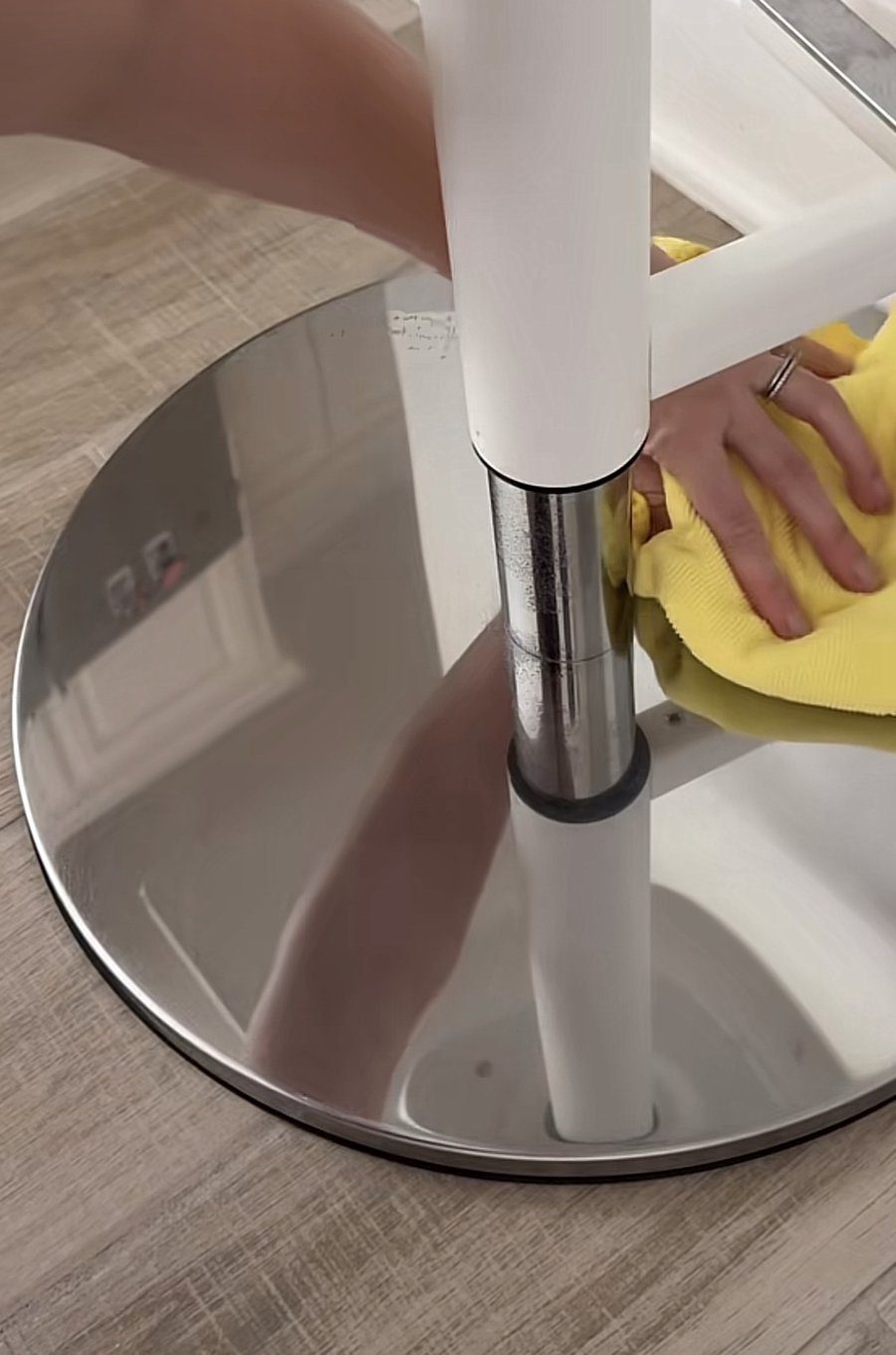
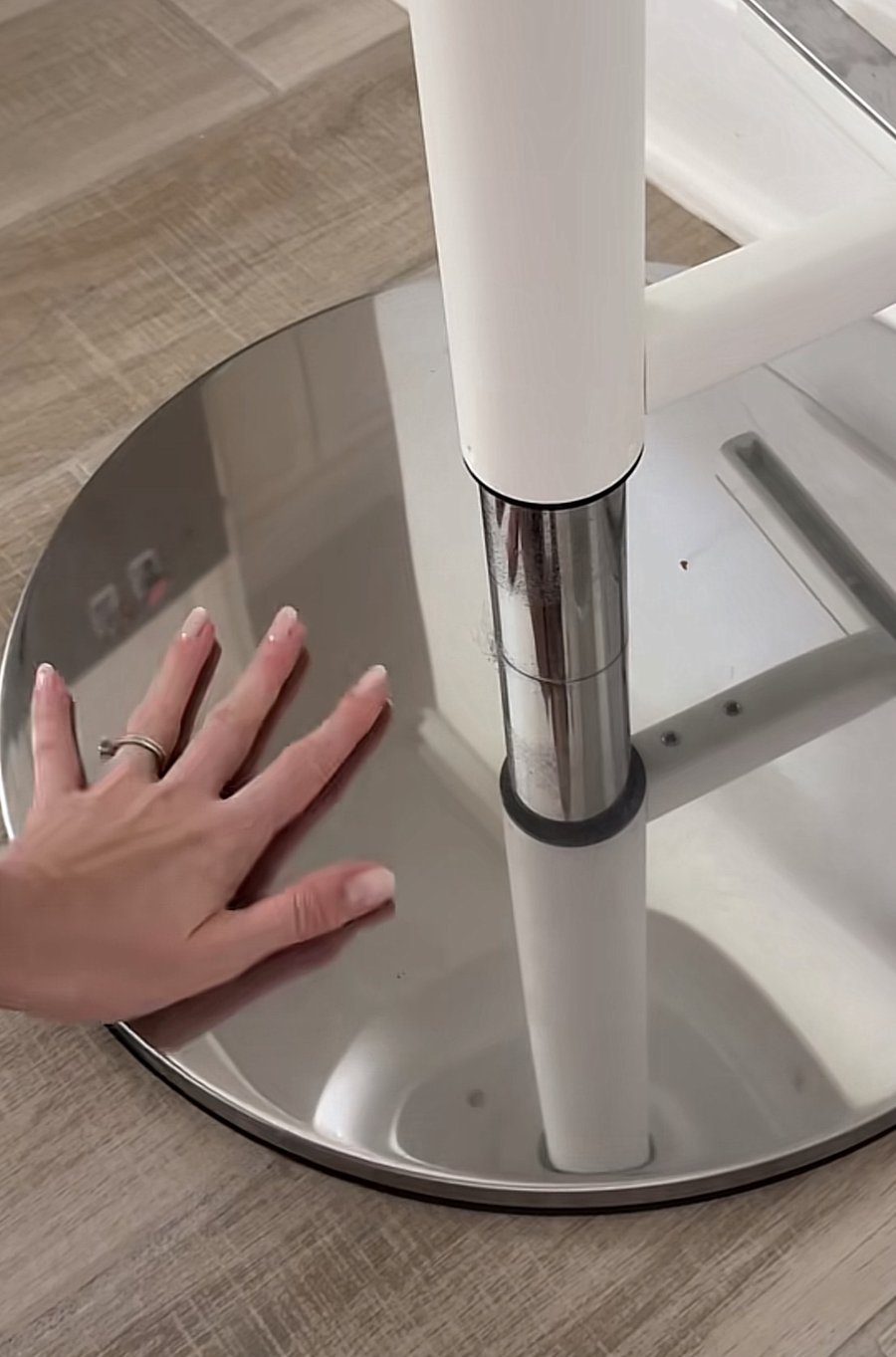
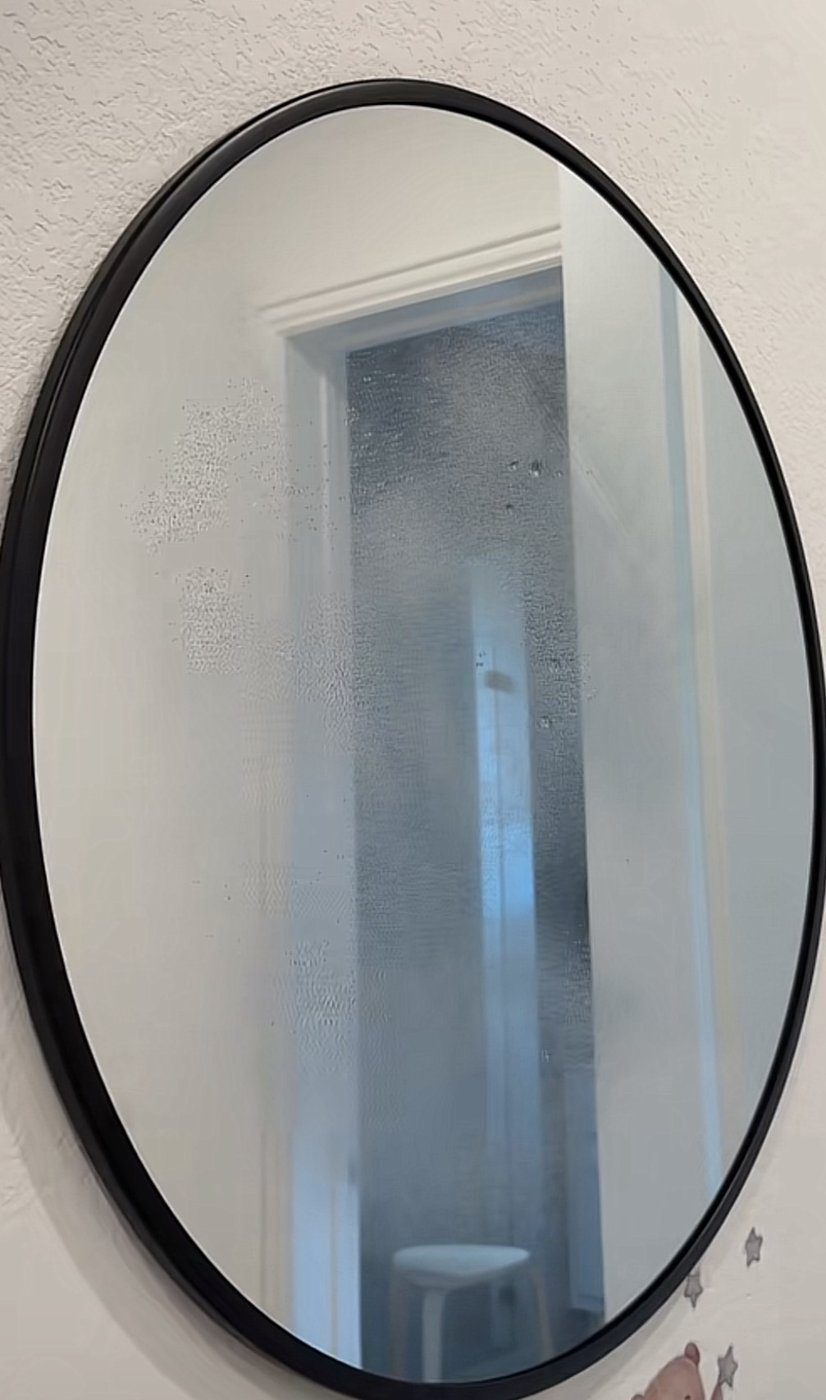
On mirrors, spray the glass directly, wipe with a microfiber cloth, then buff dry with a clean part of the cloth. On chrome, such as this stool base, it removes water spots and smudges and leaves the metal bright.
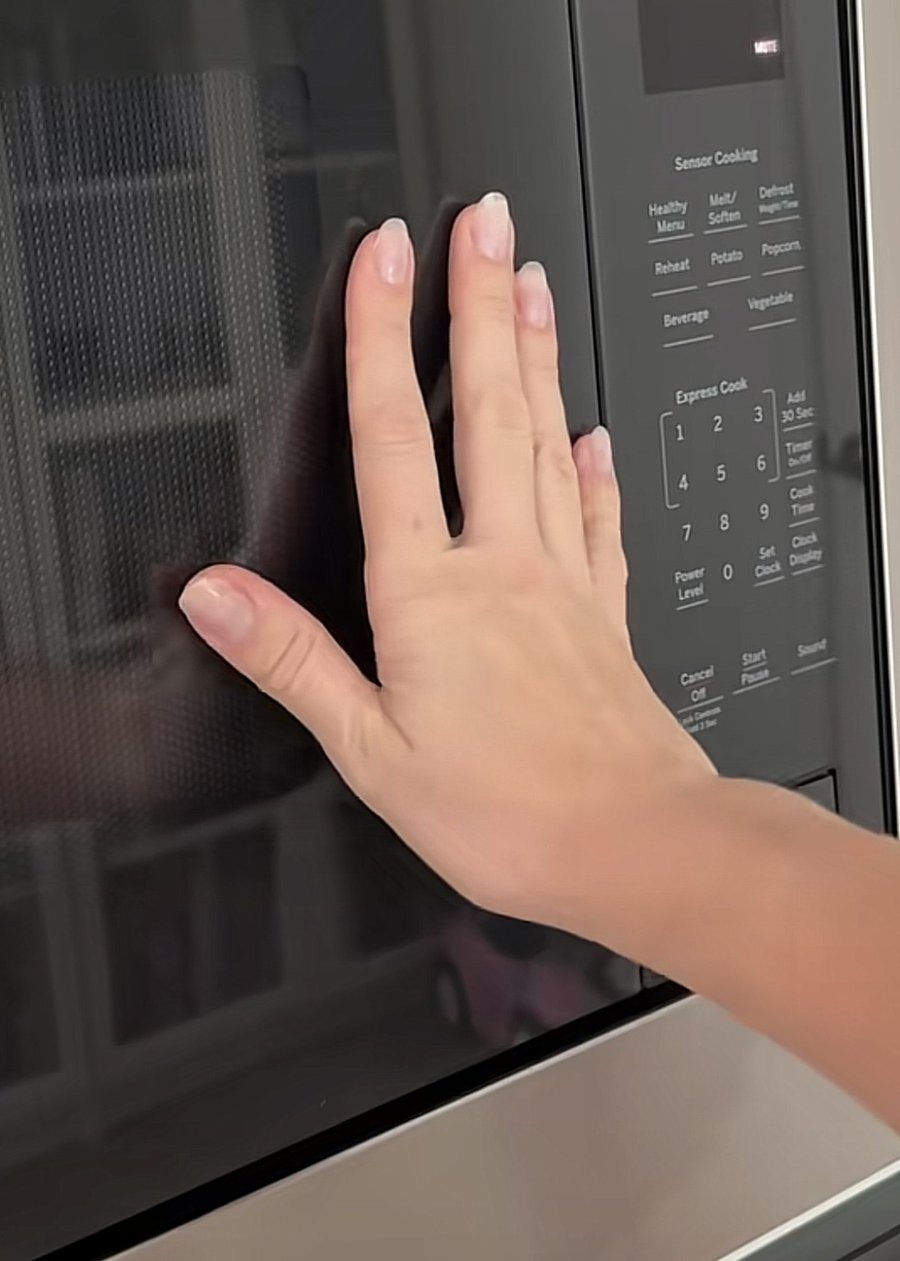
I also use it on stainless steel and on the glass of the microwave door. I spray it directly on the surface and wipe with a microfiber cloth, and I have never had a problem with it.
Which homemade window cleaner should you use?
- Everyday glass, mirrors and no fingerprints: Recipe 1, my go-to mix.
- A simple mix without alcohol: Recipe 2, vinegar and water.
- Dirty, greasy or outdoor windows: Recipe 3, the dish soap solution with a squeegee.
What to avoid with a homemade window cleaner
- Check your window manufacturer’s care instructions. Some coatings, seals and frames do not tolerate vinegar or alcohol.
- Do not clean in direct sun. The liquid dries too fast and leaves streaks.
- Never mix vinegar with bleach. It releases chlorine gas, and the CDC advises never to mix bleach with ammonia or any other cleaner. Do not combine cleaners you have not tested.
- Skip window film and tinted glass unless the film maker says the cleaner is safe.
- Use too much soap sparingly. A few drops is enough.
When to use a tool or store-bought cleaner instead
A homemade window cleaner handles regular cleaning. For tall or second-story windows, heavy buildup, or if you want the right tools, see our guide to the best window cleaning solution, tools and products. If you are also tackling the bathroom, our homemade bathroom cleaner recipes use the same pantry staples.
Frequently asked questions
What is the best homemade window cleaner?
For me, it is the mix of water, vinegar, rubbing alcohol and cornstarch in Recipe 1. For a simpler option, a 50/50 mix of white vinegar and water works well, and dish soap and water is best for dirty outdoor glass.
Why add cornstarch to a homemade window cleaner?
Cornstarch is commonly used in streak-free glass cleaner recipes as a very mild polish. Shake the bottle well before each use because it settles.
Why does my homemade window cleaner leave streaks?
Usually too much soap, a dirty or fabric-softened cloth, hard water, or cleaning in direct sun. Use less product, a clean microfiber cloth and shade.
Can I use vinegar on all windows?
Not always. Some window coatings, seals and frames can be damaged by acid, so check the manufacturer’s care instructions first.
Can I add dish soap to a vinegar homemade window cleaner?
You can add a few drops for greasy glass, but keep it small. Too much soap leaves residue and streaks.
Is rubbing alcohol safe on windows?
It is fine on most plain glass, but it can harm some films and plastic trim. Test a small area and keep it away from heat.
How long does homemade window cleaner last?
Vinegar and water keeps well. Mix a bottle you will use within a few weeks, label it and store it out of the sun.