
Rustic Kitchen Ideas: How to Get the Look Without It Looking Dated
Published: October 2, 2025 · Updated: August 2026 · 5 min read
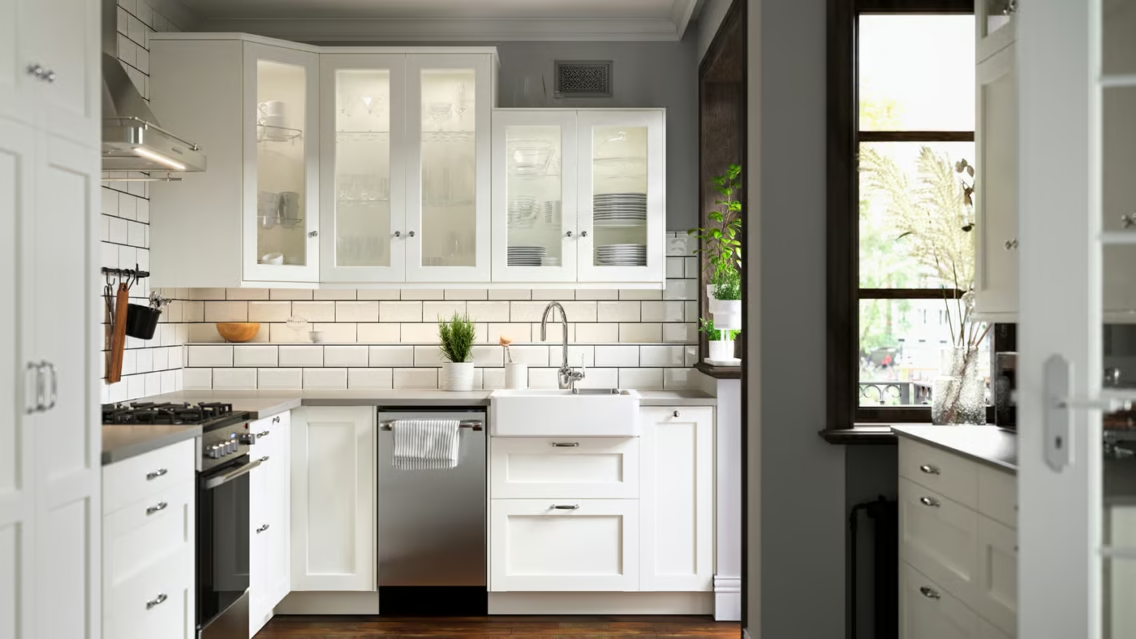
📌 Quick Summary: The best rustic kitchen ideas balance three materials, wood, stone, and metal, used with restraint, not matched perfectly. This guide covers real costs by budget tier, reclaimed vs. new wood, the mistakes that make rustic look dated, and the lighting/shelving changes with the biggest visual impact.
Rustic kitchen ideas are everywhere right now: but a lot of them start to feel tired within a couple of years. The difference between a rustic kitchen that stays timeless and one that looks like a 2015 farmhouse trend usually comes down to a few specific choices: which materials you use, how much you mix in, and where you spend versus where you save. This guide skips the generic mood-board list and focuses on what actually makes rustic kitchens work: including real costs, the materials worth the splurge, and the mistakes that quietly date a space. If cabinets specifically are your starting point, Rustic Kitchen Cabinets Ideas goes deeper on that one piece alone. 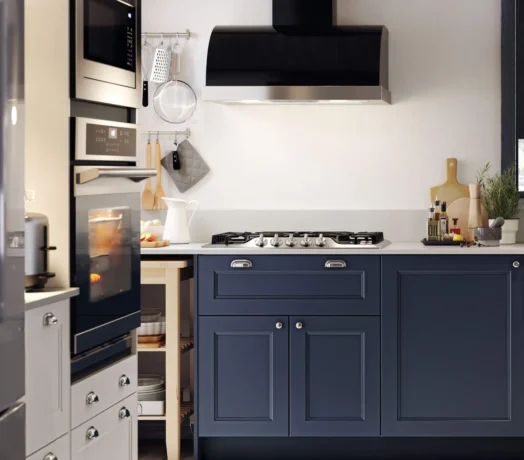
What Actually Makes Rustic Kitchen Ideas Work
At its core, every good rustic kitchen idea comes down to three materials working together:
- Wood: ideally with visible grain, knots, or texture, rather than a flawless factory finish
- Stone: countertops, backsplashes, or even just a stone accent wall
- Metal: matte black, wrought iron, or aged brass hardware and fixtures
The mistake most people make is going all-in on one material (usually wood) and ending up with a space that feels heavy or like a cabin rather than a kitchen. The kitchens that hold up over time balance all three: wood for warmth, stone for grounding, and metal for contrast.
Rustic Kitchen Ideas by Budget: Three Price Tiers
Rustic style gets described like it requires a full renovation, but that’s only true at the top end. Here’s what’s realistic at each budget tier. Under $300: no renovation required
- Swap cabinet hardware for matte black or aged brass pulls ($3–$8 per pull)
- Add a set of open shelves for displaying ceramics and glassware
- Introduce a jute or striped rug near the sink
- Style the counter with wood cutting boards, a ceramic bowl, and dried herbs in jars
$500–$3,000: meaningful updates, same layout
- Paint or stain existing cabinets rather than replacing them (staining runs about $4–$15 per square foot; painting is similar, $3–$15 per square foot, depending on cabinet condition)
- Add a reclaimed wood accent wall or shelving: reclaimed wood paneling typically costs $6–$15 per square foot for materials
- Install a farmhouse-style pendant light or two above an island or table
- Swap a laminate backsplash for a stone or brick-look tile ($15–$40 per square foot installed)
$5,000+: larger structural changes
- Reclaimed wood flooring ($9–$15 per square foot, installed)
- A butcher block or reclaimed wood island top
- Custom open shelving built into the wall (rather than mounted units)
- A full cabinet reface with new wood-grain fronts
According to Angi’s 2026 kitchen remodel cost data, the average full kitchen remodel runs close to $27,000: which is exactly why most of the ideas in this guide focus on the two lower tiers instead. The budget lesson that matters most: working within your existing kitchen layout, same sink location, same appliance placement, avoids the plumbing and electrical costs that push renovations from “a weekend project” into “a five-figure one.” If a full rustic overhaul isn’t in the budget right now, Modern Minimalist Kitchen Ideas covers a lower-cost alternative aesthetic that leans on the same “less but better” principle.
Reclaimed Wood vs. New Wood: What You’re Actually Paying For
Reclaimed wood is the material most associated with rustic style, but it’s worth understanding what the price difference actually buys you before committing to it (cost figures below are based on industry reclaimed wood pricing data).
| Reclaimed Wood | New Wood (rustic-finished) | |
|---|---|---|
| Cost | $6–$15/sq ft (paneling), $9–$15/sq ft (flooring) | Generally 30–50% less |
| Character | Naturally varied color, grain, nail holes, imperfections | Even, consistent: texture added artificially (wire-brushing, distressing) |
| Durability | Often denser than new wood since it’s already fully dried and aged | Can warp or shrink if not properly kiln-dried first |
| Maintenance | Countertops need refinishing every few years, especially near the sink | Lower maintenance if sealed well initially |
| Best for | Statement pieces: an island top, accent wall, or open shelving | Full cabinetry or flooring where budget matters more than authenticity |
Practical takeaway: you don’t need reclaimed wood everywhere to get the look. Using it for one or two statement pieces, a shelf, an island top, a mantel, while using new wood with a rustic finish for cabinetry is how most real rustic kitchens actually keep costs sane. 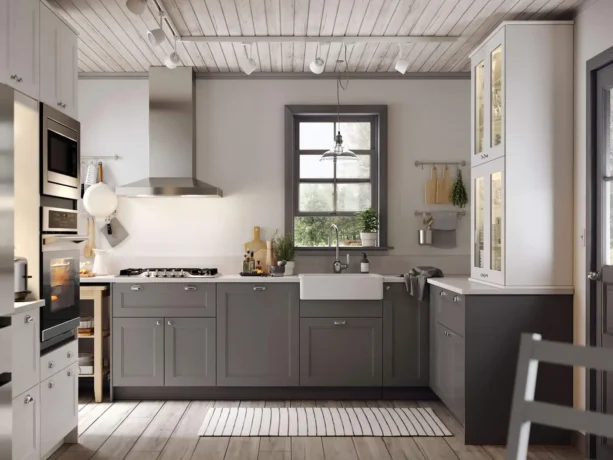
Mistakes That Make Rustic Look Dated Instead of Timeless
- Matching every wood tone exactly. Real rustic spaces mix wood tones slightly: an island in one tone, open shelves in another. Perfectly matched wood reads as a kit, not a collected space.
- Skipping the metal contrast. An all-wood kitchen with no black or aged-brass hardware tends to feel flat. Metal accents are what keep rustic from tipping into “log cabin.”
- Over-decorating open shelves. Open shelving works when what’s on it is limited and cohesive (matching ceramics, a few jars, one plant): not every mug and appliance you own. The right baskets and bins keep the rest hidden; Best Storage Baskets for Small Spaces covers which ones actually pull that off.
- Choosing trend-driven finishes over material-driven ones. Rustic style ages well specifically because it’s based on real materials, not a specific paint color. A trendy shade will date faster than an oak cabinet ever will.
Lighting and Shelving That Pull the Room Together
Lighting has an outsized effect on how “rustic” a kitchen feels, more than most people expect. Pendant lights with wrought iron frames, exposed-bulb fixtures, or simple glass lanterns all read as rustic without needing any structural changes: and they’re one of the easiest updates on this list to DIY. Open shelving is the other high-impact, low-cost change: it turns everyday items, ceramics, glass jars, cookbooks, into the decor itself, instead of adding separate decorative objects on top of what you already store. Just keep in mind that open shelving shows dust and clutter fast, so it’s worth pairing with a few of the habits in 10 Minimalist Kitchen Habits to keep it looking intentional rather than messy.
Rustic Kitchen Ideas: Frequently Asked Questions
Is rustic kitchen style going out of style in 2026? The specific “farmhouse” version of rustic (shiplap, mason jars, barn doors) has faded, but rustic kitchen ideas built around real materials, wood, stone, and metal, have stayed consistent for over a decade because they’re tied to materials rather than a specific trend look. Do I need real reclaimed wood, or does a rustic-finish laminate work? For statement pieces like an island top or accent shelf, real reclaimed wood is worth the cost difference because the texture is what sells the look up close. For full cabinetry, a rustic-finished new wood or even quality laminate can look nearly identical from a normal viewing distance, at a fraction of the cost. What’s the cheapest way to get a rustic look without renovating? Hardware and open shelving. Swapping cabinet pulls for matte black or aged brass, and adding one or two open shelves styled with ceramics and jars, changes the feel of a kitchen more than almost anything else under $300.
The Bottom Line
The best rustic kitchen ideas are built on the same three materials, wood, stone, and metal, used with restraint and mixed rather than matched. Whether your budget is $200 or $20,000, the choices that matter most are the same: real materials over trendy finishes, and a little variation over a perfectly matched set. Once the big-picture look is sorted, the inside of the kitchen matters just as much: see Simple Fridge Organization Ideas for the next step.
Keep Exploring: More Kitchen Ideas
🪵 Rustic Kitchen Cabinets Ideas, go deeper on the cabinets alone
🧽 The Simple Kitchen Cleaning Kit for a Rustic Kitchen, keep the look low-maintenance
🍳 Modern Minimalist Kitchen Ideas: a lower-cost alternative aesthetic


6 Comments