Rustic Kitchen Cabinets Ideas for a Warm Inviting Kitchen
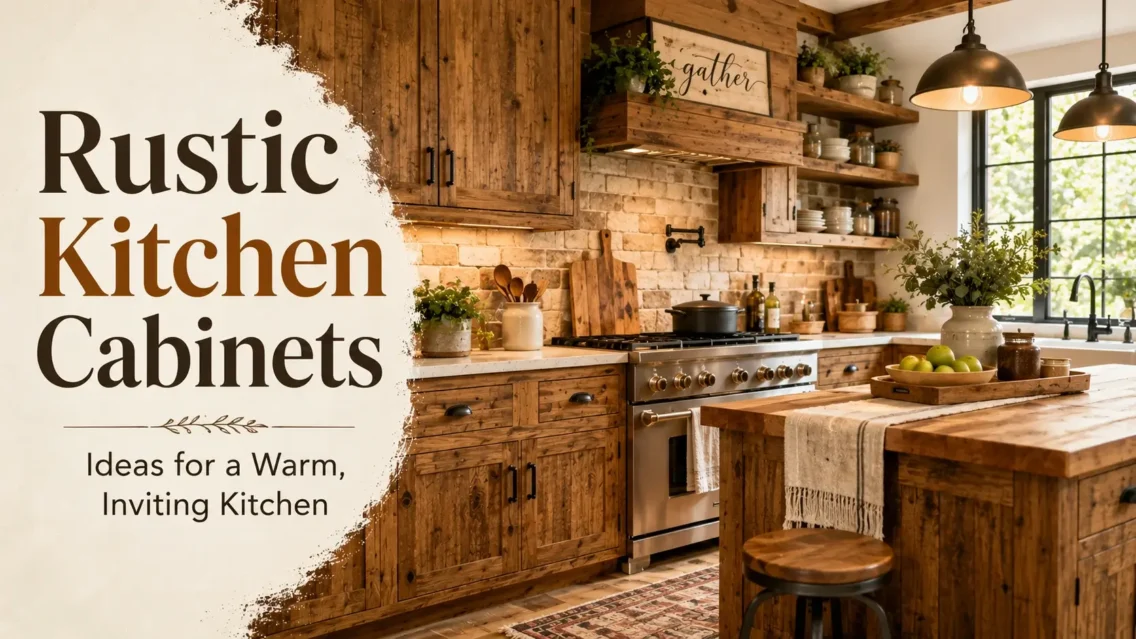
There is something about a rustic kitchen that just makes you want to slow down. The warm wood tones, the textured grain, the cabinets that look like they have been there for decades, holding stories along with your cast iron skillets. It is the kind of kitchen that does not feel designed. It feels lived in. And in a world of sterile, all-white everything, that feeling is rare and incredibly refreshing. If you have been dreaming about rustic kitchen cabinets but are not sure where to start, what style fits your home, or whether it will actually work in a smaller or modern space, this guide is for you. I am breaking down everything you need to know, from the most popular styles and wood types to colors, hardware, and budget-friendly tips to get that cozy look without spending a fortune.
What Makes Kitchen Cabinets “Rustic”?
Before we get into specifics, it helps to understand what actually defines the rustic style. Because it is not just about slapping brown stains on some cabinets and calling it a day. Rustic kitchen cabinets are defined by three core qualities: natural materials, visible texture, and an intentionally imperfect finish. The charm of this style comes from the fact that it looks organic and unpolished. The knots in the wood, the visible grain, the slightly worn edges. None of that is accidental. It is what makes rustic cabinets feel like a piece of something real rather than something factory-made. The most common features you will see in rustic cabinetry include exposed wood grain, hand-distressed or wire-brushed finishes, visible knots and imperfections in the wood, simple hardware in matte or aged metal, and warm earthy color tones ranging from creamy white to deep walnut. What rustic is not is dark, heavy glaze layered into every seam (that look peaked in the 1990s and has not come back), shiny lacquer finishes, or cheap laminate printed to look like wood. Those details can make a rustic-inspired cabinet look outdated or fake, and that is the opposite of what we are going for.
The Most Popular Types of Rustic Kitchen Cabinets
Not all rustic cabinets look the same, and that is part of what makes this style so versatile. There are several distinct aesthetics that fall under the rustic umbrella, and finding the one that clicks with your home’s vibe will make all the difference.
Farmhouse Rustic
This is the classic. Farmhouse rustic cabinets are warm, welcoming, and feel like they belong in a country home with a big porch and apple trees in the yard. Think shaker-style cabinet doors (those simple, five-piece panels are a farmhouse staple), soft cream or warm white finishes, and pairing with an apron-front sink for maximum charm. The key to getting farmhouse rustic right is pairing it with the right details. A butcher block countertop, open shelving on a section of the wall, and simple cup-pull hardware in bronze or matte black go a long way. You do not need to live on an actual farm for this look to work. It translates beautifully into suburban homes and even urban apartments when done thoughtfully.
Barn Wood or Reclaimed Wood Cabinets
If you want something with more character and history, barn wood or reclaimed wood cabinets are the answer. These cabinets use wood that has genuinely aged, which means the texture, color variation, and worn appearance are completely authentic. Barn wood cabinets pair beautifully with simple, heavy-duty hardware, a country-style farmhouse sink, and brick or stone backsplash elements. The combination creates a kitchen that feels rooted and solid. One thing worth knowing: reclaimed wood cabinets typically sit at a higher price point because sourcing and milling authentic aged wood requires skilled craftsmanship. But the visual payoff is significant, and these kitchens tend to have a depth and soul that is hard to replicate with new materials.
Modern Rustic
This is the style that has been quietly dominating design conversations, and honestly, it makes sense. Modern rustic takes the warmth of natural wood and unpretentious textures and layers them into a cleaner, more streamlined framework. Picture textured reclaimed wood base cabinets paired with sleek, dark upper cabinets. A clean-lined kitchen island in a contrasting material. Hardware that is simple but substantial. The result is a kitchen that feels both grounded and contemporary, not theme-y, not overdone. Modern rustic works especially well in open-plan homes where the kitchen flows into a living area, because it brings warmth to the space without weighing it down visually.
Industrial Rustic
Industrial rustic is for the homeowner who loves raw, bold interiors. This style combines the warmth of natural wood with harder, cooler materials like concrete countertops, exposed brick walls, and stainless steel appliances. The contrast is what makes it interesting. The wood keeps it from feeling cold. The metal and concrete keep it from feeling too cozy or cottage-like. If you like a kitchen with a bit of an edge but still want that organic, lived-in quality, industrial rustic is worth exploring.
Light Country Rustic
On the softer end of the spectrum, light country rustic uses bleached oak, whitewashed wood, or very light natural finishes to create a kitchen that feels airy and calm while still carrying that textured, organic quality. Paired with white countertops and a bright backsplash, this style is perfect for smaller kitchens that need to feel open and light, or for anyone who loves the rustic aesthetic but worries it will make their space feel dark and heavy.
The Best Wood Types for Rustic Kitchen Cabinets
The wood you choose has a bigger impact on the final look than almost any other decision. Here is a quick guide to the most popular options. Oak is the most widely used wood for rustic cabinetry, and for good reason. It has a strong, pronounced grain that photographs beautifully and develops character over time. White oak in particular has been having a major moment, and it works equally well in farmhouse, modern rustic, and light country styles. Hickory is one of the most distinctive choices for an authentically rustic look. It has dramatic color variation, heavy grain patterns, and natural character markings that give every cabinet a slightly different appearance. Hickory is also one of the hardest domestic woods, which makes it exceptionally durable for a high-use space like the kitchen. Alder is a softer wood that is popular for rustic farmhouse kitchens because it stains easily and naturally carries abundant knots and grain variation. If you are looking for a classic, textured farmhouse aesthetic on a slightly more accessible budget, alder is a great starting point. Pine has been used in rustic kitchens for generations. It is a soft wood with prominent grain and a warm, honey-toned color that deepens beautifully over time. Pine can scratch and dent more easily than harder woods, but many homeowners see that as part of the character rather than a drawback. Walnut is on the more elevated end of the rustic wood spectrum. It has rich chocolate tones and beautiful grain variation, and in 2026 it is often left unstained so its natural color contrast can speak for itself. Walnut cabinets in a rustic setting feel sophisticated and grounded at the same time.
Colors That Work Beautifully With Rustic Cabinets
Color is where you really set the mood of the whole kitchen. Rustic design traditionally leans toward warm, earthy, and nature-inspired tones, and that is absolutely still the direction things are moving in 2026. For the cabinets themselves, the most timeless options are natural wood stains that showcase the grain, warm whites and creamy off-whites for a farmhouse feel, and soft warm grays with a brown undertone. Terracotta, caramel, and muted olive green are also gaining serious traction as cabinet colors, because they tie beautifully into the natural, organic quality that defines rustic design. For the walls, countertops, and backsplash, you have a lot of flexibility. Deep forest greens work beautifully alongside natural wood cabinets. Stone textures and warm beige tones feel grounded and cohesive. If you want contrast, a creamy white or light stone countertop against a darker wood cabinet base creates a beautiful balance. Two-tone kitchen cabinets are also a smart strategy for rustic kitchens, especially if you are nervous about committing to a heavy wood tone throughout. Pairing warm wood lower cabinets with white or light upper cabinets keeps the space feeling open while still delivering all the warmth of the rustic aesthetic.
Hardware That Elevates the Rustic Look
Hardware is the jewelry of your kitchen. It is also one of the most affordable ways to shift the feel of your cabinets without replacing them entirely. For rustic cabinets, the most fitting hardware choices are matte black, oil-rubbed bronze, aged brass, and wrought iron. These finishes feel honest and unpretentious, which matches the spirit of the style perfectly. Cup pulls and bin pulls are classic farmhouse and rustic hardware styles. Simple bar pulls in a matte finish work well for modern rustic looks. For an industrial rustic kitchen, consider exposed bolt hardware or oversized handles with a raw, heavy-duty feel. One thing worth remembering: hardware does not need to be matchy-matchy across your entire kitchen. Mixing aged brass and matte black, or combining different pull styles on upper versus lower cabinets, can actually make a rustic kitchen feel more curated and interesting.
Rustic Cabinets in a Small Kitchen: Does It Work?
This is a question that comes up often, and the honest answer is yes, absolutely, but it requires a thoughtful approach. The biggest concern with rustic style in a small kitchen is that the dark wood tones and heavy textures can make a compact space feel cramped or cave-like. The solution is to go lighter. A light country rustic approach with bleached oak, whitewashed finishes, or pale natural wood gives you all the texture and warmth of the style without sacrificing the sense of openness that small kitchens need. Keeping upper cabinets light or even replacing them with open shelving is another effective strategy. The visual break between heavy lower cabinets and lighter or more open upper storage makes a small kitchen feel significantly less heavy. Adding a reflective tile backsplash, maximizing natural light, and keeping countertops clear are all small moves that make a big difference.
Open Shelving as a Rustic Element
One of the most visually impactful and budget-friendly ways to add rustic character to your kitchen is with open shelving. Floating shelves made from reclaimed wood or simple solid wood planks, finished with ornate metal brackets, immediately introduce that earthy, artisan quality associated with the rustic style. Open shelving also gives you the chance to display things in your kitchen that deserve to be seen. A set of ceramic bowls, wooden cutting boards, cast iron cookware, glass jars filled with grains or dried herbs. These everyday objects become part of the decor when they live on open shelves, and in a rustic kitchen, that kind of authentic, well-used display is entirely intentional. The practical side: open shelving is easier to keep tidy than people expect if you approach it with intention. You do not need to display everything. A few meaningful pieces among functional items is all it takes.
Backsplash Ideas That Pair Well With Rustic Cabinets
The right backsplash can make your rustic cabinets sing. The wrong one can undercut the whole look. For farmhouse and country rustic kitchens, classic subway tile in a creamy white or soft off-white is nearly always a safe, beautiful choice. Brick backsplashes, whether real or a well-done brick veneer, are also a staple of the industrial rustic and barn-inspired style. If you want something with more texture and artisan character, Zellige tile and handmade terracotta tiles are gorgeous alongside natural wood cabinets. Their irregular surfaces and slight color variations make them feel genuinely handcrafted, which is exactly the spirit of rustic design. Stone slab backsplashes work beautifully in modern rustic kitchens, tying the organic textures of the wood to the countertop material and creating a cohesive, layered look.
How to Add Rustic Character Without Replacing Your Cabinets
Maybe you love the idea of rustic kitchen cabinets, but a full cabinet replacement is not in the cards right now. Good news: there are several ways to introduce rustic character into your kitchen without touching the cabinets at all. Swapping out your hardware is one of the fastest and most impactful changes you can make. Replacing shiny chrome or nickel hardware with oil-rubbed bronze, matte black, or aged brass immediately shifts the feel of your cabinets toward something warmer and more organic. Adding a wood element in another area of the kitchen creates that natural texture without the major investment. A butcher block countertop on an island, floating wood shelves, or even a reclaimed wood range hood can anchor the rustic feeling in the space. Changing your lighting matters more than most people realize. Replacing a standard overhead light with a wrought iron chandelier, rattan pendant lights, or Edison bulb fixtures instantly introduces rustic character. Warm-toned bulbs (2700K to 3000K) also make natural wood tones look significantly richer and more inviting. A vintage rug on the kitchen floor, a farmhouse-style faucet, or a collection of simple ceramic or wooden accessories on the counter can all move your kitchen in a rustic direction without a renovation.
What to Avoid With Rustic Kitchen Cabinets
Knowing what not to do is just as useful as knowing what to do. Avoid cheap laminate finishes printed to simulate wood grain. They look unconvincing and tend to peel or feel plasticky, which is the opposite of the warmth and authenticity the rustic style is built on. Skip the thick, heavy dark glazes that were popular in the late 1990s and early 2000s. That look of black glaze pooled into every seam and corner feels dated in 2026. The current direction is transparent matte finishes that let the natural wood breathe and speak for itself. Be careful about going too dark throughout the whole kitchen. All-dark rustic cabinets in a kitchen without much natural light can feel oppressive rather than cozy. Balance is key: bring in lighter tones in countertops, walls, or upper cabinetry to keep the space feeling warm rather than heavy. Finally, avoid overdoing the theme. A kitchen that piles on every rustic element possible, exposed beams plus brick walls plus barn wood plus antique light fixtures, can tip from charming into overwhelming. The best rustic kitchens feel curated and intentional, not like they are trying too hard to prove a point.
Final Thoughts
Rustic kitchen cabinets have a staying power that is hard to argue with. While trends come and go, the appeal of natural materials, honest textures, and a kitchen that feels genuinely warm and lived-in does not fade. It is actually deepening, as more homeowners move away from the clinical precision of all-white everything and toward spaces that feel human and grounded. Whether you are planning a full kitchen renovation or just starting to dream about what your ideal kitchen could look like, I hope this guide gives you a clear and confident starting point. The right rustic kitchen is not about following a formula. It is about choosing materials and details that feel authentic to you, and building a space you genuinely cannot wait to cook in. Your kitchen is the heart of your home. It deserves to feel like it. Read More: Small Bathroom Ideas That Make Every Inch Feel Calm and Purposeful


1 Comment