
Mudroom Storage for Shoes: The Complete Organization Guide That Actually Works
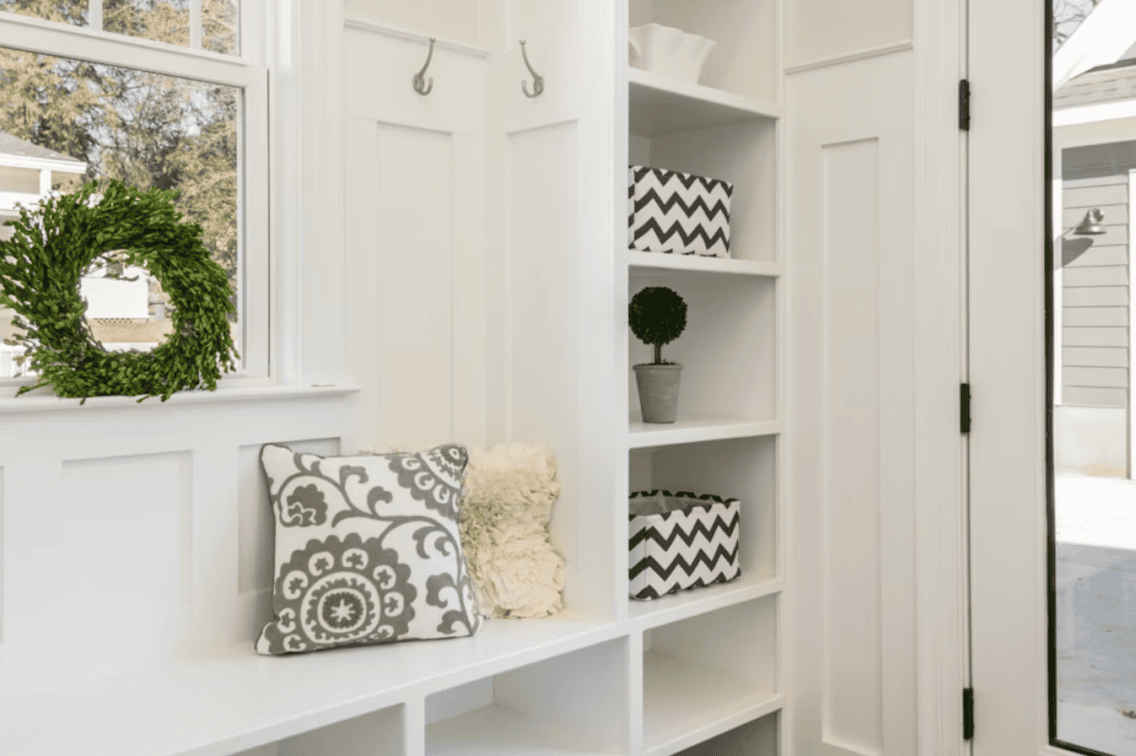
If your front door opens into a pile of sneakers, muddy boots, and shoes that never quite make it to a closet, you are not alone. Shoes pile up at the door in most homes because it is the spot that takes the hardest daily hit, and it is usually the first thing guests see. The good news is that you do not need a renovation to fix it. With the right mix of furniture, wall space, and a simple daily habit, you can turn a chaotic entry into a calm, functional mudroom that actually works for your family. This guide walks through real storage solutions, how to choose the right piece for your space, and a few products that make the system easy to maintain.
Quick answer: Start by sorting your shoes honestly, then pick storage to match your space: tiered shoe racks, storage benches or wall mounted storage. Keep only the pairs in current use by the door so the system lasts.
Why Mudroom Shoe Clutter Keeps Coming Back
Most families do not have a shoe problem because they own too many shoes. They have a shoe problem because there is no obvious, easy place to put them down. When the nearest flat surface is the floor, that is where shoes end up, no matter how many times you ask everyone to put them away. A good mudroom storage for shoes system removes the friction. If a shoe rack, bench, or cubby is sitting right at the door, taking shoes off and putting them away becomes the path of least resistance instead of an extra chore.
Start With an Honest Inventory
Before buying anything, pull every pair of shoes currently living near your entry into one pile. Sort them into three groups: shoes worn daily, seasonal shoes (snow boots, sandals), and shoes that belong somewhere else entirely, like dress shoes or cleats that only come out for specific occasions. This step alone usually cuts the pile in half. Seasonal pairs can move to a closet bin until needed, and out of place shoes can go back to their actual home. What is left is the number of pairs your mudroom storage actually needs to hold on a daily basis, which makes choosing furniture much easier. The same inventory helps when the weather turns and winter home organization adds coats, boots and gloves.
Choosing the Right Mudroom Storage for Shoes
There is no single best solution. The right setup depends on your entryway’s size, how many people share it, and whether you want a seat to put shoes on and off. Here are the most common layouts and when each one fits.
Tiered Shoe Racks
Open tiered racks are the most space efficient option for narrow entries or mudrooms. Bamboo and wood tiered racks keep shoes visible and easy to grab, and the number of pairs they hold depends on the model, so check the capacity and width before buying. They work especially well tucked beside a door or inside a closet.
Storage Benches
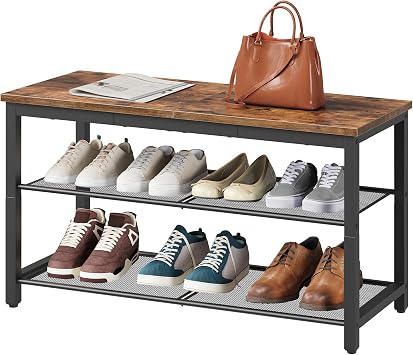
A storage bench solves two problems at once. It gives you a seat for putting shoes on, and the bench itself hides shoes, bags, or seasonal gear out of sight. This is the strongest option for entryways that double as a mudroom and a landing zone for bags and coats.
Wall Mounted Storage
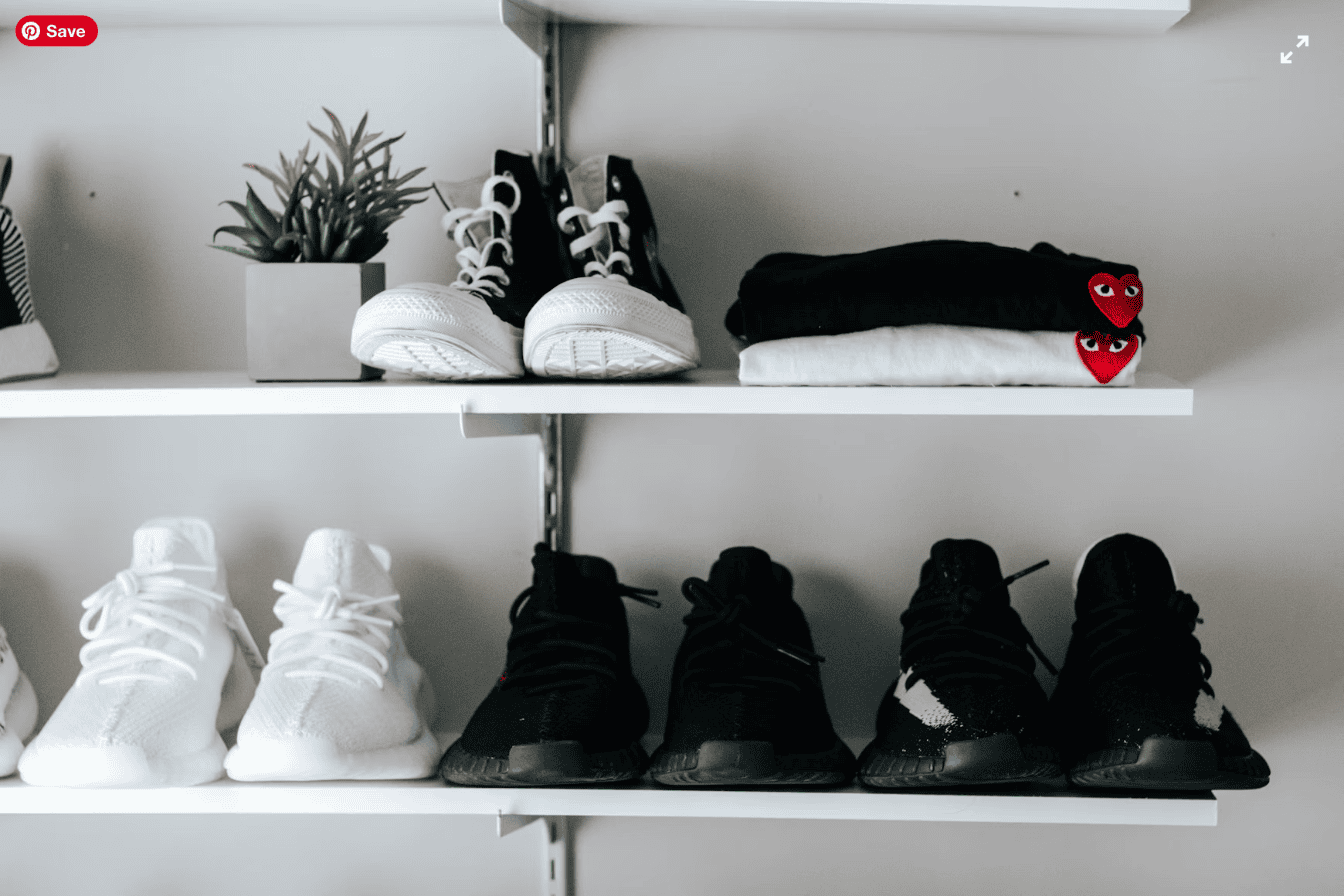
When floor space is tight, going vertical is the answer. Wall mounted shelves and coat racks with built in hooks keep the floor clear for cleaning and make use of space that would otherwise sit empty. This pairs well with a smaller floor rack underneath for a complete system.
Storage for Boots and Wet Shoes
Boots and wet shoes need different storage than dry sneakers. Wet footwear should be able to drip and air out, so use a waterproof boot tray or an open-base rack rather than a closed cabinet. Wet shoes stored in a closed bench can stay damp and start to smell. Tall boots tip over on a standard shoe rack, so give them a boot tray, a tall cubby or wall hooks, and keep a mat or old towel at the door to catch mud. If you have dogs, a towel by the door for wiping paws keeps mud off the floor. For more on that, see how to keep floors clean with dogs.
Which Mudroom Shoe Storage Fits Your Space?
| Option | Best for | Keep in mind |
|---|---|---|
| Tiered shoe rack | Narrow entries and closets | Open design, so shoes stay visible; add a tray underneath |
| Storage bench | Entries that need a seat | Good for dry shoes; avoid storing wet shoes in a closed compartment |
| Wall-mounted shelf or hooks | Tight floor space | Check the wall type and weight limit before mounting |
| Boot tray or mat | Wet shoes, boots and muddy paws | Wipe and empty it regularly so water does not sit |
Building a System That Lasts
The furniture is only half the equation. A mudroom storage system holds up long term when it matches how your household actually moves through the door. A few habits make a real difference:
- Keep the daily rotation small. Store only the shoes worn in the current season at the entry; move the rest to a closet.
- Assign a spot per person if more than one family member shares the entry. Kids especially respond well to having their own designated shelf or bin.
- Add a tray or mat under the rack to catch mud and water, which keeps the floor and the shoes themselves cleaner.
- Do a two minute reset each evening. Pairing shoes and setting them back on the rack takes seconds when it becomes routine.
For more on building simple daily systems that stick, this ties closely into the ideas covered in Cozy Winter Entryway Ideas, which looks at the entryway as a whole, not just shoe storage.
Small Entryway? Here Is What Actually Fits
Small entries and apartment mudrooms need furniture that does more than one job. Look for a slim profile bench with storage underneath, or a narrow tiered rack that can slide against a wall without blocking the door swing. No dedicated mudroom? A hallway wall, the back of a closet door or a corner by the entrance can work as a mudroom shoe storage zone. Measuring your actual space before buying saves the hassle of a return, since many “compact” racks are still 24 to 30 inches wide. If your entry is part of a larger decluttering project, the mindset shift matters as much as the furniture. The habits covered in Daily Clutter Systems: Stop Your Home Getting Messy for Good apply directly here: fewer items, clear zones, and a system that requires almost no willpower to keep up.
Our Picks for Mudroom Shoe Storage
Here are five widely available options to compare, from shoe benches to a wall-mounted rack. Check the current price, dimensions and reviews on Amazon before you buy, and measure your space first.
Shop Mudroom Shoe Storage
Popular options for daily shoe storage




As an Amazon Associate, this site earns from qualifying purchases at no extra cost to you.
Mudroom Storage Mistakes to Avoid
A few common mistakes quietly undo even a well planned mudroom system:
- Buying before measuring. A rack that looks compact online can still block a door swing or closet in person.
- Storing every pair owned. Off season and occasion shoes belong in a closet, not at the entry.
- Skipping a tray or mat. Without one, dirt and moisture transfer straight onto the floor or rug underneath.
- No system for kids. Giving children their own low shelf or bin makes them far more likely to actually use it.
If clutter at the door is part of a bigger pattern, look at the whole entry zone, not just the shoes. Our guides on creating a minimalist entryway and what to put near the door cover bags, keys and coats.
A Simple Weekly Reset
Even the best mudroom storage for shoes needs a quick reset to stay functional. Once a week, pull everything off the rack, wipe down the tray, and check for pairs that have drifted out of season or no longer fit. This five minute habit is what separates a mudroom that stays organized from one that slowly slides back into a pile by the door.
Related Reading
- How to Create a Minimalist Entryway
- What to Put Near the Door
- How to Keep Floors Clean With Dogs
- How to Keep Rugs Clean With Dogs
- 5-Minute Decluttering Routines
Final Thoughts
A functional mudroom does not require a full renovation or a big budget. The right combination of a shoe rack or bench, some wall storage, and a simple daily habit is usually enough to keep shoes off the floor for good. Start with an honest look at what you actually own, choose furniture that matches your space, and build in a quick weekly reset. That is the entire system, and it works. Sources: organization research and entryway design guidance referenced from The Spruce and Real Simple.


3 Comments