
Why Your House Gets Messy So Fast (Even If You Clean Every Day)
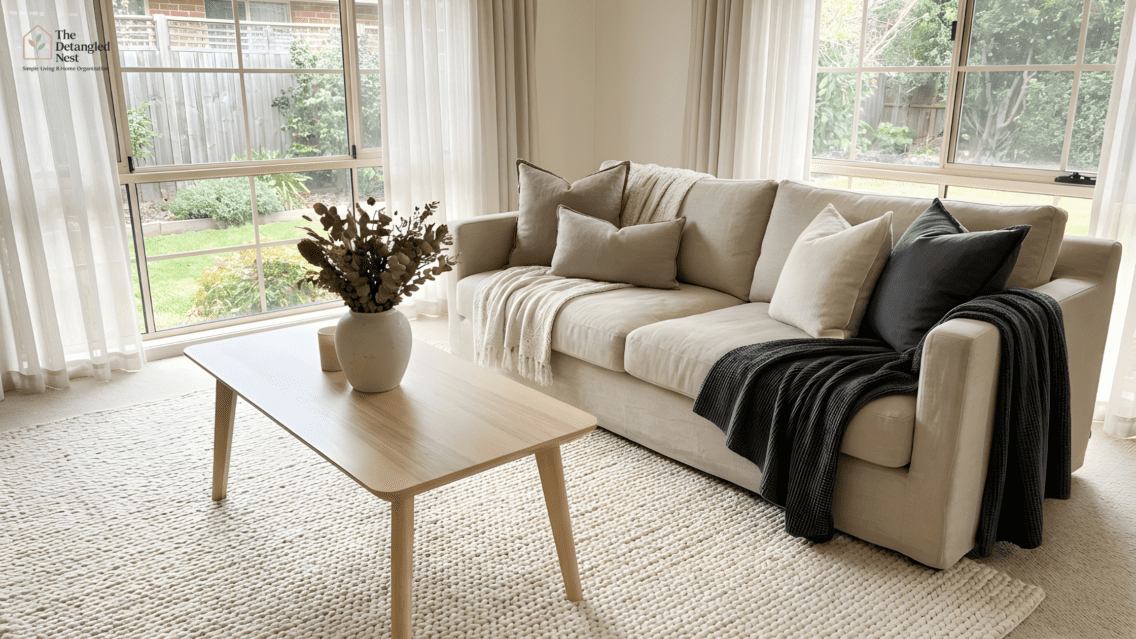
Your house gets messy so fast even when you’re trying your best—because daily mess isn’t usually caused by “not cleaning enough.” It’s caused by tiny, repeated habits and high-traffic zones that create clutter faster than you can reset it. Shoes by the door. Jackets on chairs. Laundry that doesn’t have a clear home. Random items that migrate from room to room. None of it feels dramatic, but it adds up quickly.
The frustrating part is that most people clean in big bursts—then wonder why the mess returns almost immediately. The truth is, mess grows in the gaps: in the small moments between tasks, when things don’t have a simple place to land. When a home doesn’t have easy drop-zones, quick systems, or “one-step fixes,” your space requires constant effort to stay calm.
This is especially true in busy homes, small homes, and homes with kids—where life moves fast and surfaces get used constantly. The good news is you don’t need to deep clean more. You need to identify the real reasons your home resets don’t stick—and make a few small changes that stop mess from building in the first place.
In this guide, you’ll learn the most common reasons your house gets messy so fast—and what actually helps it stay under control.

Feeling mentally overloaded? I created a gentle guide to help you unload your mind and feel lighter.
Instant download →High-Traffic Areas Create Mess Faster Than Any Room
One of the biggest reasons your house gets messy so fast has nothing to do with how often you clean—it’s where the mess is forming. High-traffic areas like entryways, kitchens, bathrooms, and living rooms absorb constant movement throughout the day. Every step in and out, every quick task, every pause to drop something creates micro-mess that builds faster than you notice.
These spaces are used repeatedly, often without a clear reset in between. Shoes come off, bags land on chairs, jackets pile up, mail gets placed “just for a moment.” Because these areas feel temporary and transitional, items are rarely put away fully. Instead, they hover in visible spots, creating the impression that your whole home is out of control.
The problem isn’t that these zones get messy—it’s that they don’t have systems designed for frequent use. When high-traffic areas lack simple, fast solutions, clutter spreads outward into nearby rooms. That’s when it feels like your house gets messy so fast, no matter how much effort you put in elsewhere.
Once you recognize which spaces carry the most daily activity, you can stop blaming your cleaning routine and start focusing on containment instead of constant reset.
Want your home to feel brighter, calmer, and easier to enjoy? You may love Spring Home Reset: A Gentle Easter Reset for a Calm Fresh Start.
This simple laundry hamper stopped clothes from piling up on chairs and floors, making my home feel instantly more organized with zero extra effort.


Laundry Basket with Lid, Clothes Hampers for Laundry with Bamboo Handles and A Removable Bag
Shop on Amazon
You’re Cleaning, But Not Containing
One of the main reasons your house gets messy so fast—even when you clean every day—is that cleaning removes dirt, but it doesn’t stop clutter from returning. Without proper containment, items simply migrate back to the same surfaces again and again.
Think about how often you wipe counters, clear tables, or straighten rooms, only to see them messy a few hours later. That’s because the items causing the mess don’t have a clear, effortless place to go. When putting something away requires extra steps, your brain naturally chooses the fastest option—leaving it out.
This is where the difference between cleaning and containing becomes critical. Cleaning resets a space temporarily. Containment systems—like baskets, trays, or dedicated drop zones—prevent mess from forming in the first place. They catch clutter at the moment it appears, instead of forcing you to deal with it later.
When your home lacks containment, you end up cleaning the same mess repeatedly. That cycle is often why a house gets messy so fast, no matter how consistent your cleaning routine is. It’s not a lack of effort—it’s a lack of systems that support everyday habits.
The goal isn’t a perfectly tidy home—it’s a home that holds mess in controlled places so it doesn’t spread everywhere else.
This living room basket made it easy to gather everyday clutter in seconds, so the space stays calm and put-together without constant tidying.


Mess Builds Between Tasks, Not During Them
Your home usually doesn’t get messy while you’re actively doing something—it gets messy in the moments between tasks. Those in-between moments are where clutter quietly accumulates, and this is one of the main reasons your house gets messy so fast, even when you feel like you’re constantly cleaning.
You finish folding laundry but leave the basket out “for later.” You come home, set things down quickly, and plan to put them away after. You clean the kitchen, but a few items stay on the counter because you’re moving on to the next task. None of these moments feel like mess-making—but together, they create constant visual clutter that makes it seem like your house gets messy so fast without explanation.
This is why your home can look messy even when you clean every day. The problem isn’t effort; it’s transition points. When there’s no simple system to catch items during these pauses, clutter spreads before you even notice it.
Homes that stay calmer aren’t cleaner—they’re better prepared for transitions. They have easy drop zones, quick containment solutions, and places that absorb clutter temporarily without letting it take over. This allows life to keep moving without leaving visual chaos behind.
Once you understand that mess forms between tasks, not because of laziness or neglect, everything changes. You stop blaming yourself—and start adjusting your home to support real life instead of working against it.
This one truly made my life easier—it vacuums and washes at the same time, so I get two jobs done in one step. Instead of cleaning twice, I finish faster and my home feels fresh with much less effort


Tineco Floor ONE S5 Smart Cordless Wet Dry Vacuum Cleaner and Mop for Hard Floors
Shop on Amazon
Small Items Without a “Home” Create Constant Visual Noise
Another major reason your house gets messy so fast isn’t big clutter—it’s the small, everyday items that don’t have a clear place to land. Chargers, mail, hair accessories, toys, receipts, water bottles, random tools—each one seems harmless on its own. But together, they create constant visual noise.
When small items don’t have a designated “home,” they end up floating from surface to surface. Your brain notices them every time you walk past, even if you’re not consciously thinking about them. This creates the feeling that your space is never truly done—because visually, it isn’t.
For mindful seasonal routines and fresh home inspiration, visit Spring Home Reset: A Gentle Easter Reset for a Calm Fresh Start.
This is why your house gets messy so fast even after you’ve cleaned. The issue isn’t dirt or disorganization—it’s unresolved placement. Items are paused, not finished. Your home keeps asking quiet questions: Where does this go? Should I deal with this now? Later?
Homes that feel calmer don’t eliminate small items—they contain them. A shallow tray, a basket, a drawer divider, or a simple bin gives these objects closure. Once placed inside something, the mental loop closes too.
When every small item has a clear landing spot, surfaces stop acting like temporary storage—and your home instantly feels calmer, even without cleaning more.
If you’re working on creating a calmer home overall, don’t skip this guide on 20 Brilliant Bathroom Organization Ideas for a Clutter-Free Space, where I share simple ways to turn one of the most clutter-prone rooms into a peaceful, functional space.

Flat Surfaces Invite Clutter Without You Realizing It
One of the quiet reasons clutter keeps coming back is that flat surfaces naturally invite it. Counters, tables, chairs, dressers—these spots feel like safe places to pause life for a moment. You set something down quickly, not because you’re messy, but because you’re moving on to the next thing.
The problem isn’t the surface itself—it’s the lack of a boundary. When a flat surface has no clear purpose, it becomes a catch-all. Items land there because there’s nothing gently telling them where they belong instead.
This is another reason your house gets messy so fast even when you’re mindful. You’re not making a conscious choice to leave things out; you’re simply responding to the pace of the day. A phone gets set down, a jacket gets draped over a chair, a package waits to be opened “later.”
Homes that feel calmer don’t rely on willpower to keep surfaces clear. They use subtle structure. A tray signals this is where things pause. A basket says drop it here for now. A small container creates an end point instead of an open invitation.
Once flat surfaces have a role, they stop collecting random items. And suddenly, your house gets messy so fast stops being true—not because you’re cleaning more, but because your home is quietly guiding behavior instead of reacting to it.
Cleaning Resets Don’t Hold Because Life Keeps Interrupting Them
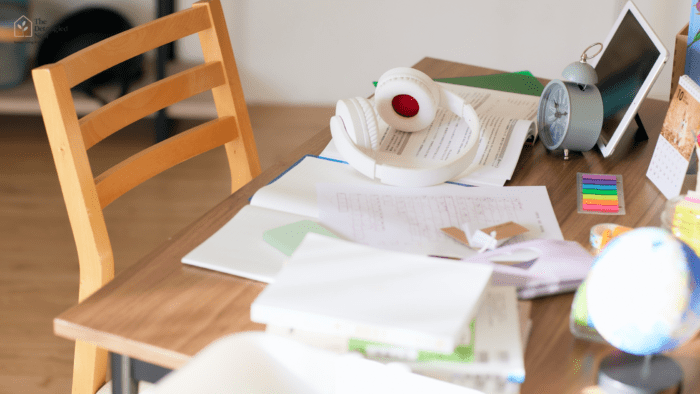
Many people believe the reason your house gets messy so fast is because cleaning wasn’t done “well enough.” In reality, most homes don’t struggle with cleaning—they struggle with interruption. A clean space can only stay that way if daily life has somewhere to land without undoing it.
You clean a room, it looks calm, and then real life resumes. Someone walks in carrying bags. A child drops something mid-task. You pause to answer a message and leave an item nearby. None of this feels like mess-making, but each interruption slightly chips away at the reset you just created.
This is why a house that gets messy fast isn’t a sign of laziness or inconsistency. It’s a sign that the home isn’t designed to absorb interruptions. Without flexible systems—temporary holding spots, quick-drop solutions, or “in-between” storage—every pause in the day leaves something behind.
Homes that stay calmer don’t depend on perfect follow-through. They expect interruption. They assume things will be set down halfway, tasks will overlap, and attention will shift. Instead of fighting this, they build around it.
When your home can handle pauses without unraveling, cleaning resets start to last longer—not because you’re doing more, but because your space is working with the rhythm of real life instead of against it.
Open Surfaces Invite Mess to Return Faster Than You Realize
One of the main reasons your house gets messy so fast isn’t how often you clean—it’s how many open surfaces your home has. Counters, tables, benches, and shelves that stay visually open become silent invitations for items to land “just for a moment.”
An empty surface feels unfinished to the brain. When there’s space available, your mind subconsciously treats it as a temporary holding zone. A bag goes down. A cup stays out. Mail gets placed instead of sorted. None of it feels wrong in the moment, but visually, the space starts filling faster than you expect.
This is why a house that gets messy fast often feels like it never truly resets. Even after cleaning, open surfaces immediately begin collecting objects again—not because of bad habits, but because there’s nothing guiding where things should pause instead.
Homes that feel calmer usually limit open surfaces or soften them with purpose. A tray, a basket, or a contained zone changes how the brain interacts with the space. Instead of becoming a clutter magnet, the surface gains boundaries. Items still land there—but in a controlled, contained way that doesn’t feel chaotic.

Why This Has Nothing to Do With Laziness or Discipline
If your house gets messy fast, it’s not because you’re careless, unmotivated, or doing something wrong. It’s because most homes are set up for tasks, not for the transitions between them. Life happens in those in-between moments—and when your space isn’t designed to catch them, mess builds naturally.
Once you understand this, the frustration lifts. You stop blaming yourself and start adjusting your environment instead. Small changes—like clearer drop zones, simple containment, and fewer open surfaces—can dramatically reduce how fast clutter returns, without cleaning more or trying harder.
If this idea resonates, you may also find it helpful to read Home Items That Reduce Mental Overwhelm, where we explore how visual clutter affects your mind just as much as physical mess.
If daily clutter keeps returning no matter how often you clean, you may find it helpful to explore Daily Clutter Systems, where I break down the simple structures that stop mess before it starts.
A calm home isn’t about constant effort. It’s about support. When your space works with your daily rhythm, mess no longer feels personal or overwhelming—it becomes manageable, predictable, and temporary. Research on environmental psychology also supports this—this article from The Spruce explains how visual simplicity can reduce stress and mental fatigue at home.
And that’s when your home starts feeling lighter, not because you’re doing more… but because it’s finally doing its part too.
Affiliate Disclaimer
Some links in this post may be affiliate links, which means I may earn a small commission if you make a purchase through them—at no extra cost to you. I only recommend products I genuinely believe can help create a calmer, more functional home and support everyday life with less stress and overwhelm.



1 Comment