
15 Minimalist Systems That Keep Your Home Calm, Organized and Easy to Maintain
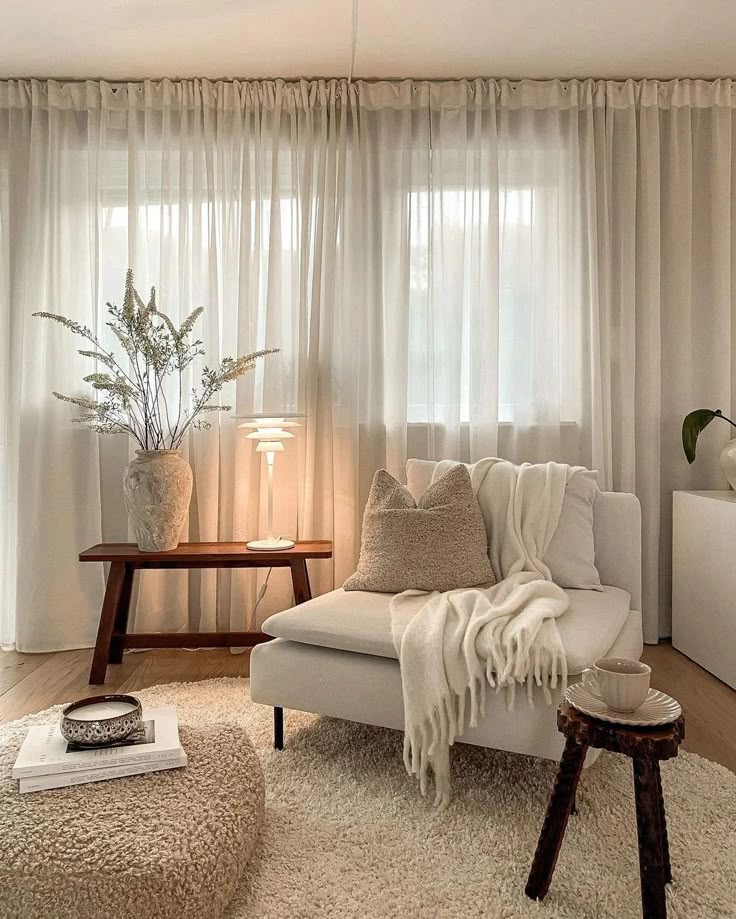
I didn’t become minimalist overnight. For years, I believed that more meant better: more clothes, more decorations, more plans, more purchases. But instead of feeling fulfilled, I felt overwhelmed.
What truly changed my life were not dramatic decluttering sessions or aesthetic makeovers. It was building essential minimalist habits: small, repeatable behaviors that slowly reshaped how I spend, organize, plan, and live.
These habits didn’t make my home empty. They made it intentional.
If you’re craving a calmer space, less mental noise, and more clarity in daily life, these are the essential minimalist habits that made the biggest difference for me.
Essential minimalist habits help reduce visual clutter, decision fatigue and daily overwhelm in busy homes. By creating simple routines and structured resets, families can build a calm home environment that stays organized without constant cleaning or extreme decluttering.

What Are Essential Minimalist Habits?
Essential minimalist habits are not extreme rules or strict limitations. They are daily behaviors that reduce friction, decision fatigue, and unnecessary accumulation: both physically and mentally.
Instead of focusing only on owning less, essential minimalist habits focus on:
spending intentionally
organizing sustainably
protecting time and energy
aligning daily life with values
Minimalism, at its core, is not about white walls or empty rooms. It’s about removing what drains you so you can invest in what matters.
Signs Your Home Needs Minimalist Habits (Even If It Looks Clean)
Sometimes clutter is not obvious. Many homes look tidy on the surface but still feel heavy, stressful or difficult to maintain. This usually happens when daily systems are missing.
You may need minimalist habits if:
you clean often but mess returns quickly
surfaces become cluttered within hours
decision fatigue makes routines feel exhausting
storage spaces are always full
you feel mentally overwhelmed at home
Minimalist habits work by solving the root cause: not just removing visible clutter. When systems improve, the home naturally starts feeling calmer and easier to manage.
Daily Minimalist Habits That Instantly Reduce Mental Overload
Daily minimalist routines are not about perfection. They are about removing small sources of friction that silently drain energy.
Simple habits like clearing one surface each evening, planning tomorrow’s outfit, or doing a five-minute reset in the kitchen can significantly reduce cognitive load. When visual noise decreases, the brain processes information more efficiently and stress responses naturally lower.
These routines work because they are repeatable and predictable. Instead of reacting to mess or overwhelm, you create a stable baseline that keeps your home feeling manageable even during busy seasons.
👉 8 Simple Morning Routines for a Calm and Productive Day
Financial & Consumption Minimalist Habits That Reduce Clutter and Overspending
1. Start with a Spending Audit
Tracking every expense was eye-opening. I realized how much money disappeared into small, automatic purchases.
One of the most practical essential minimalist habits is understanding where your money goes before trying to reduce it.
Instead of reacting emotionally to spending, I started making decisions based on awareness.
2. Practice the 72-Hour Rule
Impulse buying creates clutter more than anything else.
Now, whenever I want something non-essential, I wait 72 hours. Most desires fade.
This simple pause is one of the most powerful essential minimalist habits because it interrupts automatic consumption.
3. One In, One Out Rule
If something new enters my closet, something else leaves.
This keeps accumulation balanced and prevents slow clutter creep.
Minimalism works best when maintenance becomes automatic.

4. Shop with Intention
Before purchasing anything, I ask:
Do I truly need this?
Will it add long-term value?
Is this aligned with my priorities?
Intentional shopping is one of the foundational essential minimalist habits that protects both space and finances.
5. Choose Quality Over Quantity
Owning fewer, well-made items reduced constant replacement and dissatisfaction.
Instead of buying trends, I invest in timeless pieces that last.
This shift lowered clutter and increased satisfaction.
If you’ve ever felt like you’re constantly cleaning but nothing truly stays organized, I explain the deeper structural reason in Daily Clutter Systems: The Hidden Reason Mess Isn’t Laziness (It’s Missing Structure): because lasting calm comes from systems, not effort.
A Real Example of Minimalist Change
For example, when I reduced my wardrobe from nearly 60 pieces to around 30 items I truly loved, something unexpected happened. Getting dressed became faster. I stopped second-guessing my choices. I felt lighter: not just physically, but mentally. The same shift happened in my kitchen when I simplified our meals. Fewer options meant fewer decisions, and fewer decisions meant less daily stress. That’s when I understood that essential minimalist habits are less about removing objects and more about removing friction.

Home & Decluttering Minimalist Habits
6. Declutter Regularly (Not Emotionally)
Decluttering is not a one-time event. It’s a seasonal rhythm.
Rather than waiting until overwhelmed, I do small resets quarterly.
Consistent decluttering is one of the essential minimalist habits that prevents buildup.


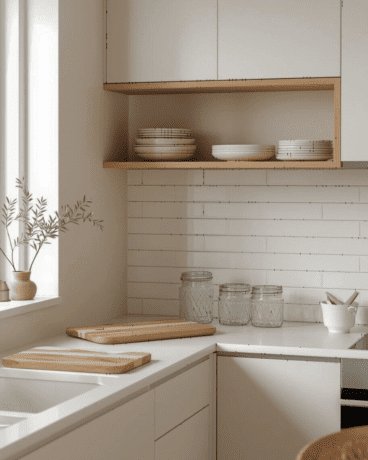
7. Keep Surfaces Clear
Clear surfaces reduce visual noise.
Research shows that clutter increases cognitive load and stress levels. A simplified environment helps the brain relax and process information more efficiently.
Keeping only a few intentional items visible changed how my home feels instantly.
When our home starts to feel heavy or overwhelming, I rely on a simple reset framework I shared in How to Reset Your Home After a Stressful Week (Simple 60-Minute Plan): a structured approach that restores calm without deep cleaning everything.
8. Simplify Meals
Rotating simple recipes reduced mental overload.
Meal systems, not complicated plans, keep the kitchen manageable.
Minimalist habits apply to routines just as much as objects.
9. Create Seasonal Rituals
Minimalism does not mean eliminating joy.
Instead of excessive seasonal décor, we focus on rituals: lighting candles, baking together, reading more.
Intentional rituals create warmth without clutter.
Weekly Minimalist Resets That Prevent Clutter Build-Up
Many homes feel chaotic not because of dramatic mess, but because of slow accumulation. Weekly minimalist resets interrupt this cycle.
A weekly decluttering rhythm might include reviewing incoming items, rotating laundry routines, checking high-traffic zones, and simplifying meal plans. These small actions prevent the need for exhausting deep-clean sessions later.
Consistency is what makes these minimalist habits powerful. When resets happen regularly, clutter never reaches the point where it feels emotionally heavy or difficult to manage.
👉 How to Reset Your Home After a Stressful Week
How Minimalist Habits Reduce Daily Cleaning Time
One unexpected benefit of minimalist living is how much easier cleaning becomes. When there are fewer unnecessary items and clearer systems, daily maintenance takes significantly less effort.
Simple minimalist habits such as keeping surfaces clear, rotating routines weekly, and limiting incoming clutter help prevent build-up before it starts. This means fewer deep cleaning sessions and more consistent calm.
Over time, many people notice they spend less time tidying and more time enjoying their home: which is one of the biggest long-term rewards of building essential minimalist habits.
👉 30 Minute Weekly Home Reset Checklist
A Simple Minimalist Habit Framework for Real Life
Minimalism becomes sustainable when it moves from motivation to structure. Instead of relying on occasional decluttering bursts, the most effective minimalist homes operate through simple systems that reduce friction every day.
A helpful way to build essential minimalist habits is to think in layers:
Daily habits protect visual calm and decision clarity.
Weekly habits prevent accumulation before it becomes overwhelming.
Monthly resets restore balance and intentionality.
Consumption rules control what enters the home in the first place.
When minimalist habits are structured this way, they stop feeling like effort and start feeling like rhythm. Over time, these small systems create a home environment that supports mental clarity, emotional stability, and smoother routines.
One routine that quietly supports many of these essential minimalist habits is my structured laundry rhythm. I share the full system in My Simple Laundry Routine: How I Organize Washing Days for a Calm, Fresh Home, where I break down how small weekly systems prevent buildup.


Laundry Basket with Lid, Clothes Hampers for Laundry with Bamboo Handles and A Removable Bag
Shop on AmazonMinimalist Habits for Busy Families and Small Homes
Minimalism is often misunderstood as something that only works in large or aesthetic spaces. In reality, structured minimalist habits are even more valuable in small homes and busy family environments.
When space is limited and routines are demanding, simple systems become essential. Creating designated zones, reducing unnecessary possessions, and building predictable weekly resets helps maintain order without constant effort.
For many families, minimalist habits are not about owning less: but about creating a home that supports daily life instead of adding stress.
Minimalist Habits That Work Especially Well in Small Homes
Essential minimalist habits are particularly powerful in small homes and apartments where space is limited. Structured routines, intentional consumption and regular resets help prevent clutter from accumulating quickly.
By simplifying daily systems, even compact living spaces can feel calmer, more functional and easier to maintain without constant cleaning or large storage solutions.
Mental & Time Minimalist Habits
10. Create a Simple Morning Ritual
A calm start reduces reactive energy throughout the day.
Even five intentional minutes, tea, journaling, stretching, shifts your mental state.
Daily structure is one of the most underestimated essential minimalist habits.
11. Schedule White Space
Not every hour needs to be productive.
Leaving open time prevents burnout and preserves energy.
Time minimalism is as important as physical minimalism.
12. Limit Digital Noise
Unsubscribing from emails and reducing app usage dramatically lowered mental distraction.
Digital clutter is invisible but exhausting.
Protecting mental space is one of the most modern essential minimalist habits.
13. Practice Gratitude
Gratitude shifts focus from scarcity to sufficiency.
Writing three simple things each evening grounded me in what already exists.
Minimalism thrives on contentment.
14. Prioritize Experiences Over Possessions
Instead of buying more toys or décor, we invest in shared moments.
Experiences strengthen connection without adding storage needs.
15. Revisit Your Values Often
Minimalism is not static.
As seasons of life change, priorities change.
Revisiting your values ensures your essential minimalist habits continue serving your current reality.


Why Essential Minimalist Habits Actually Work
These habits work because they reduce repeated friction.
Every unnecessary decision drains mental energy. Every unmanaged item demands attention.
By simplifying systems, spending, organizing, scheduling, you lower daily cognitive load.
Over time, essential minimalist habits create:
clearer spaces
calmer routines
stronger financial awareness
improved emotional regulation
Minimalism becomes less about removing things and more about protecting energy.
How Long Does It Take to See Results From Minimalist Habits?
Many people expect instant transformation when they start simplifying their home. In reality, minimalist habits create change gradually through consistency rather than dramatic one-time decluttering sessions.
Small daily shifts, like clearing surfaces, reducing unnecessary purchases, or creating simple routines, can start improving how your home feels within just a few weeks. You may notice less visual noise, calmer mornings, and smoother daily flow surprisingly quickly.
However, deeper long-term results such as reduced mental overwhelm, improved organization systems, and lasting clutter prevention typically develop over several months. Minimalist living works like compound interest: the more consistently you practice small habits, the more powerful the results become.
Instead of focusing on speed, focus on rhythm. Sustainable minimalist habits reshape your home environment step by step, creating calm that feels natural rather than forced.
Common Mistakes When Building Essential Minimalist Habits
Many people try minimalism and feel discouraged because they approach it too aggressively. Here are a few common mistakes I’ve seen: and made myself:
Trying to declutter the entire house in one weekend
Confusing minimalism with perfection
Replacing clutter with “minimalist aesthetic” purchases
Expecting immediate life transformation
Forcing family members into habits they’re not ready for
Essential minimalist habits work best when introduced gradually and consistently. Small shifts compound over time. Sustainable minimalism is built on rhythm, not intensity.
Key Takeaways for Essential Minimalist Habits
• Small daily resets prevent major clutter build-up
• Intentional consumption reduces 80% of future mess
• Weekly minimalist systems create lasting calm
• Structured habits lower mental overload
• Consistency matters more than motivation
Frequently Asked Questions About Essential Minimalist Habits
How do I start minimalism as a busy mom?
Start with one habit only: spending audit or surface clearing. Small consistency beats extreme resets.
What is the most impactful minimalist habit?
Intentional consumption. Controlling what enters your home prevents 80% of future clutter.
How long does it take to see results?
You’ll notice small shifts within weeks. Long-term transformation comes from repetition over months.
Can minimalism work for families?
Yes. Family minimalism focuses on systems, not restrictions. It creates structure that supports everyone.
Long-Term Benefits of Essential Minimalist Habits
Over time, consistent minimalist habits reshape both the home environment and emotional well-being. Many people report improved focus, reduced stress, and a stronger sense of control over daily routines.
Minimalist living also supports financial awareness, intentional consumption, and healthier relationships with possessions. Instead of constantly reacting to mess or overwhelm, the home begins to function as a calm foundation for everyday life.
This long-term stability is what makes minimalist habits more powerful than short bursts of decluttering motivation.
Building a Calm Home Through Consistent Minimalist Habits
Creating a calm and organized home is rarely the result of one big decluttering session. Instead, it happens gradually through consistent minimalist habits that simplify routines and reduce daily friction.
When small systems become part of everyday life, the home begins to support mental clarity, emotional balance and smoother family routines: which is the true goal of sustainable minimalism.
Final Thoughts on Essential Minimalist Habits
I am not a perfect minimalist. My home is lived in, active, and sometimes messy.
But these essential minimalist habits changed the foundation of how I live.
Research from Harvard Health highlights that reducing environmental and mental overload can significantly lower stress levels and improve cognitive clarity: reinforcing why essential minimalist habits create long-term emotional balance and stability.
They replaced overwhelm with rhythm.
They replaced impulse with intention.
They replaced noise with clarity.
Start with one habit.
Let it settle.
Then add another.
Minimalism isn’t about removing life.
It’s about making space for the right parts of it.
Affiliate Disclaimer
Some links in this post may be affiliate links. This means that if you choose to make a purchase through these links, I may earn a small commission at no additional cost to you. I only recommend products that align with my minimalist values and that I genuinely believe support a calm, intentional home. Thank you for supporting The Detangled Nest and allowing me to continue creating thoughtful, practical content for busy families.

5 Comments