
Elite Mindful Parenting at Home: Simplifying Life with Small Children
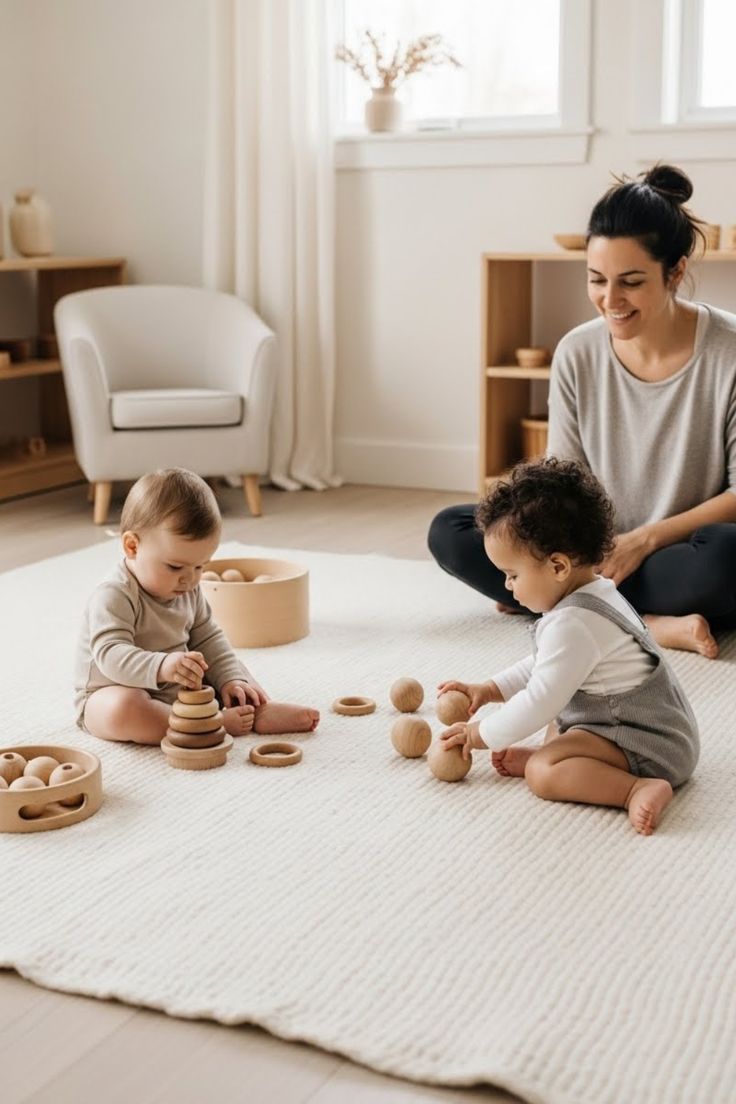
Parenting small children is filled with tender, beautiful moments—but it can also feel overwhelming, noisy, and emotionally demanding. Between daily routines, big feelings, messes, and mental overload, many parents find themselves moving through the day on autopilot. This is where mindful parenting at home offers a gentle shift—not by adding more rules, but by inviting more awareness, presence, and intention into everyday life.
Mindful parenting is not about being calm all the time or handling every moment perfectly. It’s about slowing down just enough to notice your child, your reactions, and the emotional climate of your home. Through mindful parenting at home, parents learn to pause before responding, listen more fully, and meet difficult moments with compassion rather than control. These small, intentional choices help create a deeper sense of connection and emotional safety for both parent and child.
In a world full of overstimulation and constant pressure, choosing mindful parenting at home is an act of care—for your child and for yourself. When you simplify your approach and stay present in the moment, parenting becomes less about managing behavior and more about building trust, understanding, and meaningful connection—one gentle moment at a time.

Why Simplicity Matters in Parenting Small Children
Small children feel safest when their world is simple, predictable, and emotionally supportive. When routines are clear and the environment isn’t overwhelming, children can relax, explore, and express themselves more freely. This is why simplicity plays such an important role in mindful parenting at home.
Simplifying doesn’t mean doing less as a parent—it means focusing your energy on what truly supports your child’s development. Fewer distractions, fewer unnecessary commitments, and calmer daily rhythms allow both parent and child to feel more regulated. When life is less cluttered—physically and mentally—it becomes easier to notice your child’s needs and respond with patience and care. A simpler approach creates space for connection, emotional growth, and a more peaceful experience of parenting during the early years.

Montessori Toys
Building Blocks Game Stacking & Sorting Toys Ages 2-4 Toddler Birthday Gifts
Buy on Amazon
Coogam Wooden Montessori Toys
Motor Skills Game for Year Old 18 Month+ Baby Boys Girls Gift
Buy on Amazon
Create Simple, Predictable Rhythms
Young children thrive on rhythm rather than strict schedules. When daily patterns are familiar, children feel more secure and less anxious. Creating simple, predictable rhythms is a key part of mindful parenting at home, because it helps both you and your child move through the day with greater ease.
Morning routines, mealtimes, play, and rest don’t need to follow the clock perfectly. What matters is consistency and gentle transitions. Repeating the same flow each day allows children to anticipate what comes next, which reduces power struggles and emotional overwhelm. Soft rituals—like a song before bedtime or a quiet moment before meals—help anchor the day. When rhythms feel natural and supportive, family life becomes calmer and more connected.

Wooden 7-in-1 Activity Cube
Developmental Toys |One Year Old Boys Girls First Birthday Gifts |Bonus Sorting & Stacking Board
Buy on Amazon
Play Platoon Wooden
Interactive Learning Toys, Create Stacks of Circles for Kids, Babies, Toddlers and Children
Buy on Amazon
Declutter the Environment
A cluttered environment can feel overwhelming for small children, even if they can’t explain why. Too many toys, colors, or visual distractions often lead to overstimulation and emotional overload. Simplifying your child’s surroundings is an important part of mindful parenting at home, because it supports focus, calm play, and emotional regulation.
You don’t need to remove everything. Start by choosing a few well-loved toys and rotating them regularly. Keep surfaces clear and storage simple so children can easily see, choose, and put away their belongings. Natural colors and open space help create a sense of calm and safety. A decluttered environment not only benefits your child—it also makes daily life feel lighter and more manageable for you as a parent.

The Whole-Brain Child
12 Revolutionary Strategies to Nurture Your Child's Developing Mind
Buy on Amazon
The Whole-Brain Child Workbook
Practical Exercises, Worksheets and Activitis to Nurture Developing Minds
Buy on Amazon
Be Present, Not Perfect
Many parents feel pressure to do everything “right,” but children don’t need perfection—they need presence. Being emotionally available, even in small moments, is at the heart of mindful parenting at home. It’s not about planning elaborate activities or keeping everything spotless; it’s about showing up with attention and care.
A few minutes of undivided presence can make a powerful difference. Putting your phone away, making eye contact, and truly listening helps your child feel seen and valued. These moments build trust and emotional security. When you release the need to be perfect, you create space for real connection. Presence, not performance, is what children remember—and what strengthens the bond between you and your child.

Hotel Lobby Signature Candle
Soy Wax with Amber, Cedar, and Musk – Infused with Essential Oils
Buy on Amazon
Luxury Scented Candle Gift
Queen Of The Night Rare Flower Fragrance in Elegant Glass Jar
Buy on Amazon
Respond, Don’t React
Life with small children is full of big emotions—tantrums, spills, loud moments, and sudden tears. What makes the difference isn’t avoiding these situations, but how you meet them. In mindful parenting at home, the focus shifts from reacting out of frustration to responding with awareness and intention, even during challenging moments.
Before responding, take a brief pause. A deep breath can help you regulate your own emotions before guiding your child through theirs. When you stay calm, you model emotional safety and teach your child how to navigate difficult feelings. This approach is central to mindful parenting at home, as responding instead of reacting builds trust and reduces power struggles. Over time, your child learns that emotions are welcome and manageable, creating a more peaceful and connected dynamic within your family.
Make Room for Connection Over Control
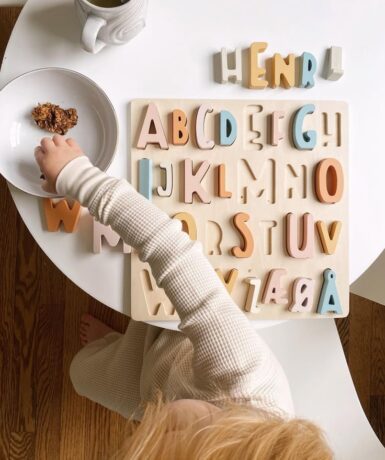
When parenting small children, it’s easy to focus on managing behavior. But connection is what truly supports cooperation and emotional growth. In mindful parenting at home, the goal shifts from control to understanding the need behind your child’s behavior.
Getting down to your child’s level, speaking gently, and listening without rushing helps them feel safe and heard. When children feel connected, they are more likely to cooperate naturally. This doesn’t mean there are no boundaries—it means boundaries are offered with empathy and respect. By leading with connection first, you build trust and emotional security. Over time, this approach creates a calmer dynamic where guidance feels supportive rather than restrictive.

The Benefits of Mindful Parenting at Home
When you consistently practice mindful parenting at home, the changes may feel subtle at first—but over time, they become deeply meaningful. Daily life begins to feel calmer, with fewer power struggles and more moments of genuine connection. Children feel safer expressing their emotions, and parents feel more confident responding with patience rather than frustration.
This approach often leads to smoother routines, more peaceful mealtimes, and easier transitions throughout the day. Emotional regulation improves for both parent and child, creating a more balanced and supportive family dynamic. Most importantly, mindful parenting helps strengthen trust and attachment. It doesn’t require special tools or complicated strategies—just presence, intention, and a willingness to slow down and truly connect.

Stuffed Animal Storage
2-in-1 Wooden Toy Organizer and Display Shelf Space Saving for Playroom, Bedroom, Nursery.
Buy on Amazon
Stuffed Animal Storage
Wood Stuffed Animal Zoo with Wheels & Net, Toy Storage Organizer with Elastic Band.
Buy on Amazon
Creating a Mindful Atmosphere That Grows With Your Child
A mindful home isn’t built in a single season—it grows and evolves as your child does. Practicing mindful parenting at home means creating an atmosphere that adapts to changing needs while staying rooted in connection and emotional safety. This kind of environment supports intentional parenting, where choices are guided by awareness rather than pressure or comparison.
A mindful atmosphere starts with slowing down. When parents choose parenting with presence, daily moments feel less rushed and more meaningful. Simple practices—like shared meals without distractions, quiet play, or evening wind-down rituals—help children feel seen and understood. Over time, these moments shape how children relate to themselves and others.
If you’re looking to deepen this sense of calm through your physical space as well, my post Inspired by Nature: Embrace Simplicity, Peace, and Purpose at Home explores how natural elements and simplicity can beautifully support mindful family life. For further inspiration on intentional living and reducing overwhelm, Becoming Minimalist offers thoughtful perspectives that align closely with mindful parenting values.
When you create a home grounded in awareness and presence, you’re not just guiding behavior—you’re nurturing emotional resilience, trust, and connection that will support your child for years to come.
Final Thoughts: Choosing Presence Over Perfection
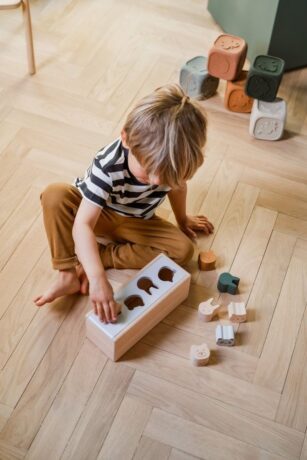
You won’t get it right every day—and that’s more than okay. Parenting small children is not meant to be perfect, quiet, or controlled at all times. Mindful parenting at home is about returning to the moment again and again, even after a hard day, a raised voice, or a missed opportunity to pause.
This approach invites you to soften your expectations and meet yourself with the same compassion you offer your child. It’s about noticing the little moments that often go unnoticed: a shared laugh, a tight hug, a quiet cuddle on the floor. These are the moments that build trust and emotional security over time.
When you simplify your environment, slow your routines, and stay present, parenting becomes less about managing behavior and more about nurturing connection. Mindful parenting at home reminds us that children don’t need perfect parents—they need parents who are willing to show up with awareness, patience, and love.
Every small pause matters. Every moment of presence counts. And little by little, these choices shape a home where both you and your child can grow, feel safe, and truly connect—just as you are.
Amazon Disclaimer:
As an Amazon Associate, I earn from qualifying purchases. This post may contain Amazon affiliate links, which means I may earn a small commission at no extra cost to you. I only recommend products I genuinely believe support mindful parenting and add value to family life. Thank you for supporting The Detangled Nest 🤍


1 Comment