How to Make Your House Smell Good All the Time (Even With Kids & Pets)

Published: May 6, 2026 · Updated: August 2026 · 7 min read
📌 Quick Summary: A good-smelling house isn’t about buying the strongest candle — it’s a simple two-step rhythm: neutralize odor sources first, then add a scent that lasts. This guide covers where smells actually hide, the natural scenting methods that work, and the daily habits that keep a home smelling fresh all the time, even with kids and pets.
Let me be honest about my starting point: I live in a three-story home with two kids and two dogs who shed like it’s their job. If anyone has a right to a house that smells a little “lived in,” it’s me. So when I figured out how to make my house smell good all the time — not just in the panicked ten minutes before guests arrive — it genuinely changed how my home feels to walk into.
Here’s the thing most articles won’t tell you: making your house smell good isn’t about buying the strongest candle. It’s a simple two-step rhythm, and once you understand it, you can keep your whole home smelling fresh and clean without spending much or spraying chemicals into the air. Let me walk you through exactly how to make your house smell good and, more importantly, keep it that way.
This post contains a few affiliate links. If you buy through them, I may earn a small commission at no extra cost to you. I only mention things I’ve actually used in my own home.
The Secret No One Tells You: Neutralize First, Then Scent
If you take one thing from this post, take this: you cannot cover a bad smell. Spraying air freshener over a smell just gives you “bad smell plus air freshener.” Every method below only works if you handle odors at the source first.
So a home that smells good all the time always comes down to two steps:
- Remove what’s causing bad smells.
- Add a fresh scent that lasts.
Most people skip straight to step two, wonder why it doesn’t last, and buy more candles. We’re going to do it in the right order.
Quick cheat sheet (if you only have ten minutes): open a window, take out the trash, wipe the bin, toss anything questionable from the fridge, throw fabrics in the wash, and set a small pot of water with orange peel and cinnamon to simmer on the stove. That alone resets most homes.
Step 1: Find and Remove the Source of Bad Smells
This is the unglamorous step everyone wants to skip — and the one that actually works. Walk through your home and check the usual hiding spots for odors:
- The trash can — empty it, then wipe the bin itself (the smell often lives on the plastic, not the bag).
- The fridge — clear out old leftovers and wipe the shelves. An open box of baking soda inside keeps it neutral. (My fridge organization routine makes this a two-minute job.)
- Drains and the garbage disposal — pour a little baking soda followed by hot water; citrus peels help too.
- The dishwasher and washing machine — front-loaders especially trap moisture and turn sour. Run an empty hot cycle with a cleaner now and then.
- Laundry — don’t let damp or dirty laundry sit. A forgotten wet load in the machine is a top hidden culprit.
- Shoes, hampers, and closets — these hold smell quietly. A little baking soda or a charcoal odor bag works wonders.
- Pet beds, blankets, and litter — wash pet bedding regularly. With two dogs, this is non-negotiable in my house.
One trick I swear by: we all go “nose blind” to our own homes. Ask an honest friend, or step outside for ten minutes and walk back in — you’ll smell what you’ve stopped noticing.
Step 2: Add Fresh Scent to Make Your House Smell Good
Now that the air is neutral, you can add scent — and it’ll actually hold instead of fighting with odors. Here are the natural ways to make your house smell good that I come back to again and again.
Simmer a Stovetop Potpourri
This is my favorite, hands down. Fill a small pot with water and add orange or lemon slices, a cinnamon stick, a few cloves, and a sprig of rosemary. Let it simmer on low. Within minutes the whole house smells warm and cozy, and it costs almost nothing. (Just keep an eye on the water level.)
Keep Baking Soda Working in the Background
Baking soda absorbs odor instead of masking it. Sprinkle it on rugs and upholstery, leave it twenty minutes, then vacuum. Tucked-away open containers in the kitchen, bathroom, and laundry quietly keep things fresh.
Use a Diffuser or Reed Diffuser
An essential oil diffuser gives steady, gentle scent you can control — citrus and eucalyptus for “clean,” lavender for calm. A reed diffuser needs no electricity and is perfect for bathrooms and entryways.
Try a Wax Warmer or a Quality Candle
A wax warmer or a clean-burning candle adds warmth, especially in the evening. I keep mine to soft, simple scents so the house smells inviting, not perfumed.
Scent Your Fabrics and Laundry
So much of how a home smells comes from soft surfaces. Wash throws and linens with a fresh-scented wash, and tuck a small DIY sachet (dried lavender or a cotton pad with a drop of essential oil) into drawers and closets. My simple laundry routine keeps fresh fabric working in our favor.
Bring in Fresh Flowers or Odor-Absorbing Plants
A small bunch of flowers freshens a room instantly, and certain plants (like eucalyptus or spider plants) actually help clean the air over time.
The Classic: Bake Something
There’s a reason real estate agents bake before an open house. Cookies, bread, or even cinnamon and cloves warmed on a low oven tray fill the home with a smell no spray can match.
How to Keep Your House Smelling Good All the Time
Single tricks freshen a room for an afternoon. Keeping your house smelling good all the time comes down to small, repeated habits — this is the part the search for “all the time” is really asking about:
- Ventilate daily. Open windows for even ten minutes to swap stale air for fresh. This one habit does more than any product.
- Stay ahead of the sources. A quick daily reset (trash, dishes, a wandering wet towel) stops smells before they start. It folds neatly into my everyday cleaning habits.
- Keep one passive scent always running — a reed diffuser or baking soda — so the baseline is always pleasant.
- Refresh soft surfaces weekly. Fabrics hold both good and bad smells, so rotating and washing them keeps the whole home fresh.
Consistency, not intensity, is what makes a home smell good every single day.
Making a House Smell Clean vs. Smelling Fragrant
A quick note, because “smell clean” and “smell good” aren’t the same thing. A truly clean-smelling home is mostly neutral — no strong perfume at all, just fresh air and the absence of odor. If you want your house to smell clean rather than scented, lean harder on Step 1 (removing odors and ventilating) and go light on fragrance. Citrus and eucalyptus read as “clean”; heavy sweet scents read as “fragranced.”
How I Keep My House Smelling Good With Two Dogs and Two kids
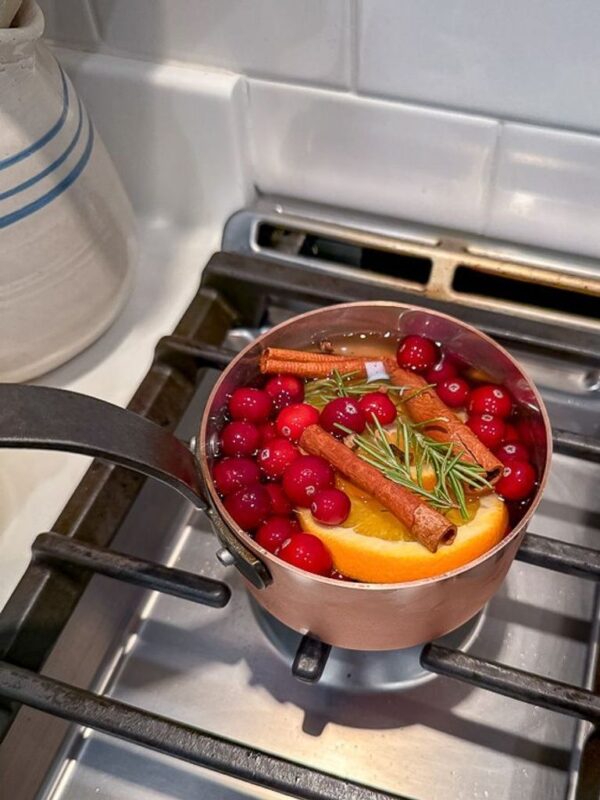
I won’t pretend my home is a scented showroom — it’s a busy, full house. But here’s my actual rhythm: I open windows first thing every morning, I wash the dog beds weekly, and I keep a reed diffuser going in the entryway so the first thing anyone smells is fresh, not “dog.” On slow afternoons I set my little citrus-and-cinnamon simmer pot going, and in the evening I light one soft candle while I tidy the kitchen.
None of it is fancy or expensive. With kids and pets, the goal was never a perfect-smelling house — it was a fresh, welcoming one, even on a chaotic day. That’s completely doable, and it’s mostly about handling the sources and keeping a few gentle habits.
Mistakes That Keep Your House From Smelling Good
- Masking instead of removing. Spraying over odors never lasts. Always neutralize first.
- Over-scenting. Three competing fragrances cancel each other out and overwhelm. Pick one scent family per area.
- Forgetting the soft stuff. Curtains, rugs, and pet beds hold smell — products on the air won’t fix fabric.
- Skipping ventilation. No scent replaces fresh air. Open the windows.
Frequently Asked Questions
How do I make my house smell good all the time? Handle the source of odors first (trash, fridge, drains, laundry, pets), ventilate daily, and keep one passive scent always running like a reed diffuser or baking soda. Consistent small habits matter more than strong products.
How can I make my house smell good naturally and cheaply? A stovetop simmer pot with citrus, cinnamon, and cloves costs almost nothing. Baking soda for absorbing odors and open windows for fresh air are nearly free and more effective than expensive sprays.
Why does my house still smell even though it’s clean? You may be nose blind to a hidden source — a damp towel, the bin itself, a front-loader washer, or pet bedding. Step outside, come back in, and check the soft surfaces and drains.
How do I get rid of dog or pet smell? Wash pet beds and blankets often, vacuum with baking soda on rugs, ventilate daily, and consider a charcoal odor absorber or air purifier near pet areas. Neutralize before adding any scent.
What’s the best way to make the whole house smell good? Ventilate and remove odor sources throughout, then place a passive scent (reed diffuser or simmer pot) in central, high-traffic spots like the kitchen and entryway so fresh air carries through the whole home.
A Fresh-Smelling Home Is a Habit, Not a Product
You don’t need a cabinet full of sprays to make your house smell good. Neutralize the odors, add one scent you love, open the windows, and keep a few small habits going. Start with the simmer pot today — it’s the easiest win — and build from there.
If you’d like more simple routines for a calm, fresh, easy-to-keep home, you can grab my free e-book, The Calm Life: A Year-Round Minimalist Self-Care Guide.
If you liked this post, you might also enjoy: