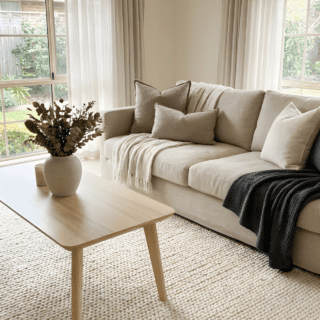
10 Powerful Home Items That Reduce Mental Overwhelm (Not Just Physical Clutter)
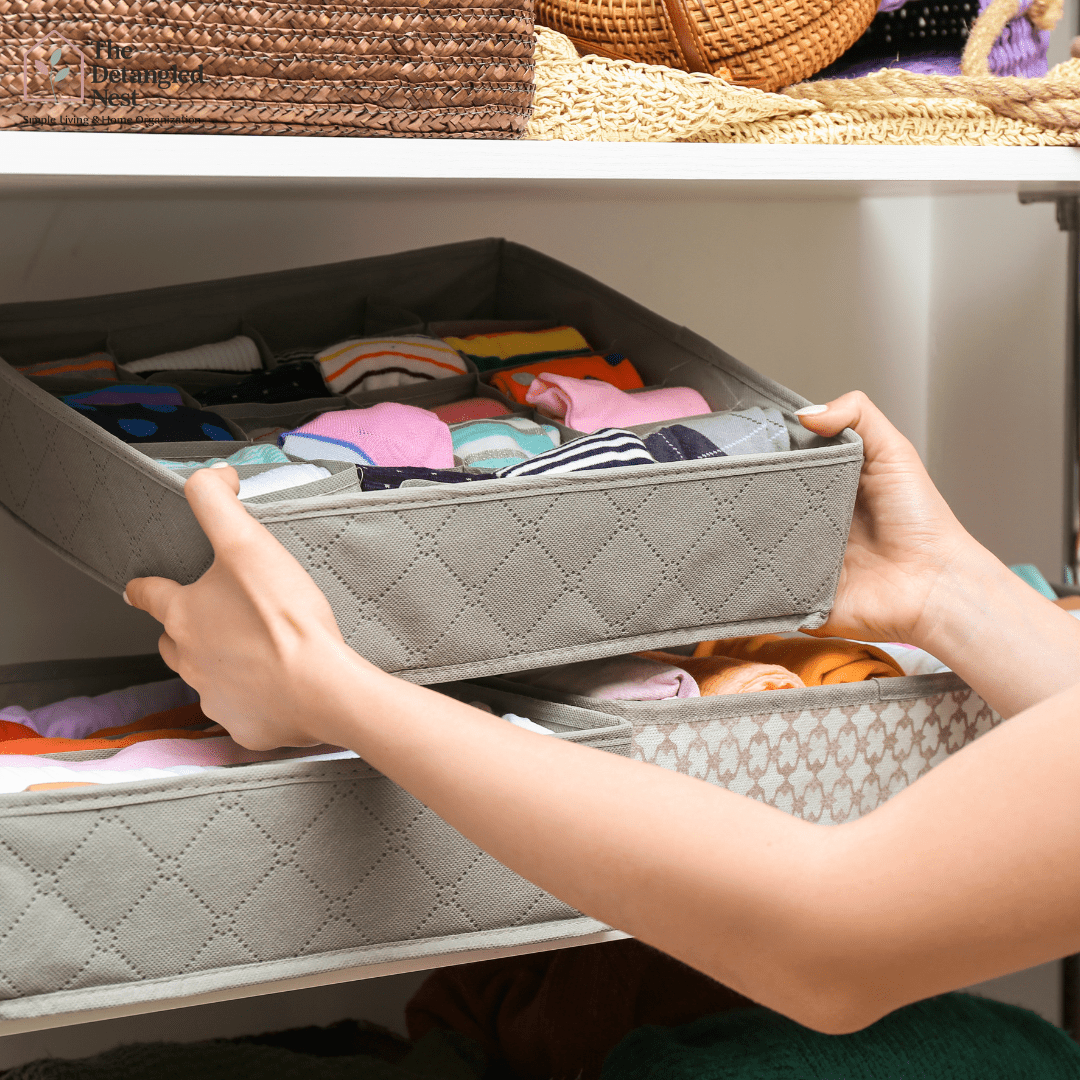
Home items that reduce mental overwhelm don’t always look impressive—but they can completely change how your home feels. Often, it’s not physical mess that exhausts us the most, but the constant mental noise created by scattered items, unfinished decisions, and spaces that demand attention all day long.
When your home lacks clear systems, your brain stays in “open loop” mode—constantly tracking where things are, what needs to be done, and what you’ll deal with later. This mental load builds quietly, even when your space looks reasonably tidy. The result isn’t always visible clutter, but a sense of heaviness, irritation, or low-level anxiety that never fully switches off.
The right home items help close those open loops. They reduce the number of daily decisions you have to make, give your brain visual rest, and create predictable patterns your mind can relax into. These aren’t about organizing for perfection—they’re about creating environments that feel mentally lighter and easier to move through.
In this guide, you’ll discover carefully chosen home items that reduce mental overwhelm, designed to support focus, clarity, and calm—without forcing you to declutter everything or overhaul your lifestyle.
The Psychology Behind Mental Overwhelm at Home
Mental overwhelm rarely comes from one big mess. It comes from constant low-level visual input. Environmental psychology shows that when we see too many objects at once, our brain continues processing them in the background — even when we’re trying to relax.
Every visible item creates a tiny cognitive demand:
Where does this belong?
Should I deal with this later?
Is this finished?
Over time, these micro-decisions build into decision fatigue.
This is why the right home systems don’t just organize your space — they reduce cognitive load. When objects are grouped, contained, or visually simplified, your brain stops tracking them. And that’s when your home begins to feel mentally lighter.

Why Mental Overwhelm Starts at Home
Mental overwhelm often begins at home—not because your space is messy, but because it constantly asks for attention. Open shelves filled with mixed items, surfaces that never feel “finished,” and objects without a clear place all create small mental reminders throughout the day. Your brain keeps track of them subconsciously, even when you’re trying to rest.
This is where home items that reduce mental overwhelm become essential. They don’t just organize objects—they organize visual information. When items are contained, categorized, or visually simplified, your brain receives fewer signals to process. Fewer signals mean fewer open loops, and fewer open loops mean less mental fatigue.
Many people focus on decluttering more, when what they actually need is clearer structure. The right systems allow your mind to relax because it knows where things belong and what can be ignored for now. Over time, this creates a home that feels quieter—not just physically, but mentally.
Choosing home items that reduce mental overwhelm is less about owning fewer things and more about creating visual and cognitive calm, so your home supports clarity instead of constantly demanding it.

What I Noticed When I Reduced Visual Noise
I didn’t realize how much visual clutter was affecting me until I simplified just one area — my entryway. When I added a defined drop zone and removed loose items from the surface, something unexpected happened. I felt calmer walking in the door.
Nothing dramatic changed. The house wasn’t suddenly minimalist. But my brain stopped scanning the space.
That’s when I understood: mental overwhelm isn’t always about mess — it’s about unfinished signals.
Home Items That Reduce Mental Overwhelm
Mental overwhelm doesn’t come from owning too much—it comes from seeing too much at once. The home items below are chosen not for how much they store, but for how well they reduce visual noise, decision fatigue, and mental tracking. These home items that reduce mental overwhelm help your brain rest by creating clear boundaries and predictable structure.
1. Storage Baskets That Close Visual Open Loops
Loose items left in the open force your brain to keep track of them, even subconsciously. Storage baskets work by visually “closing” those open loops. Once items are grouped and contained, your brain no longer feels responsible for them.
As home items that reduce mental overwhelm, baskets are especially powerful in shared spaces like living rooms and bedrooms, where visual clutter tends to build throughout the day.


2. Drawer Organizers That Reduce Decision Fatigue
When drawers are messy, your brain has to make micro-decisions every time you open them. Drawer organizers remove that burden by creating clear, predictable zones for each item.
These organizers function as home items that reduce mental overwhelm by eliminating uncertainty. You don’t have to think—you simply reach for what you need.
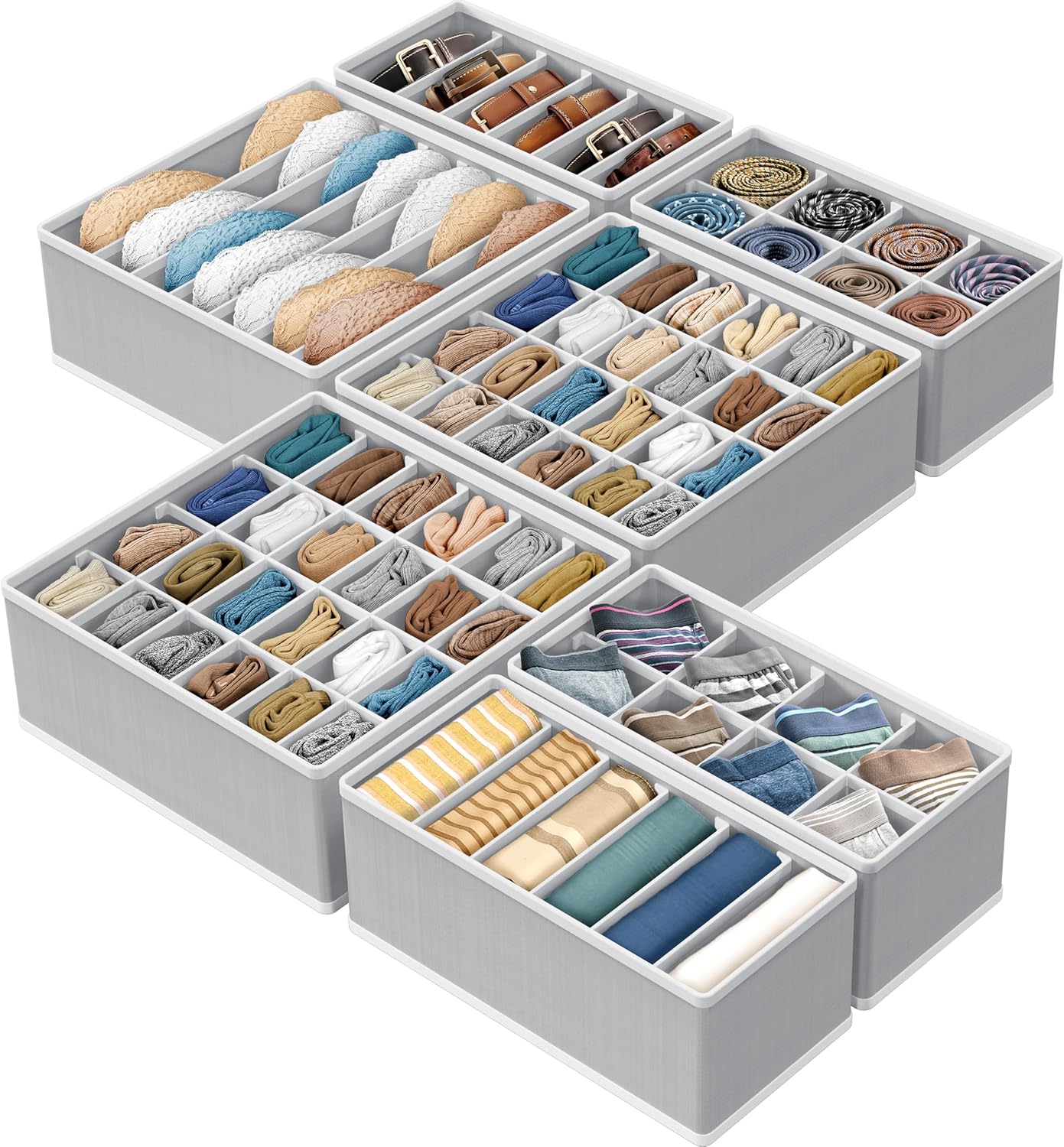
Simple Houseware Closet Underwear Organizer Drawer Divider Assorted 7 Pieces, Gray
Shop on Amazon
3. Entryway Drop Zones That Signal “Task Complete”
Keys, wallets, and daily essentials scattered across surfaces keep tasks mentally unfinished. A defined drop zone signals completion: the item is placed, the task is done.
This makes entryway trays powerful home items that reduce mental overwhelm, especially for people who feel rushed or mentally cluttered at the start and end of the day.


Ceramic Jewelry Dish for Women, Jewelry Tray Trinket Dish, Irregular Cloud Shape Ceramic Plate
Shop on Amazon
4. Closed Storage Containers That Give Your Eyes a Break
Open storage constantly feeds your brain information. Closed containers create visual pauses, allowing your mind to rest instead of processing multiple objects at once.
Used consistently, these containers act as home items that reduce mental overwhelm by lowering sensory input—an often overlooked source of daily exhaustion.
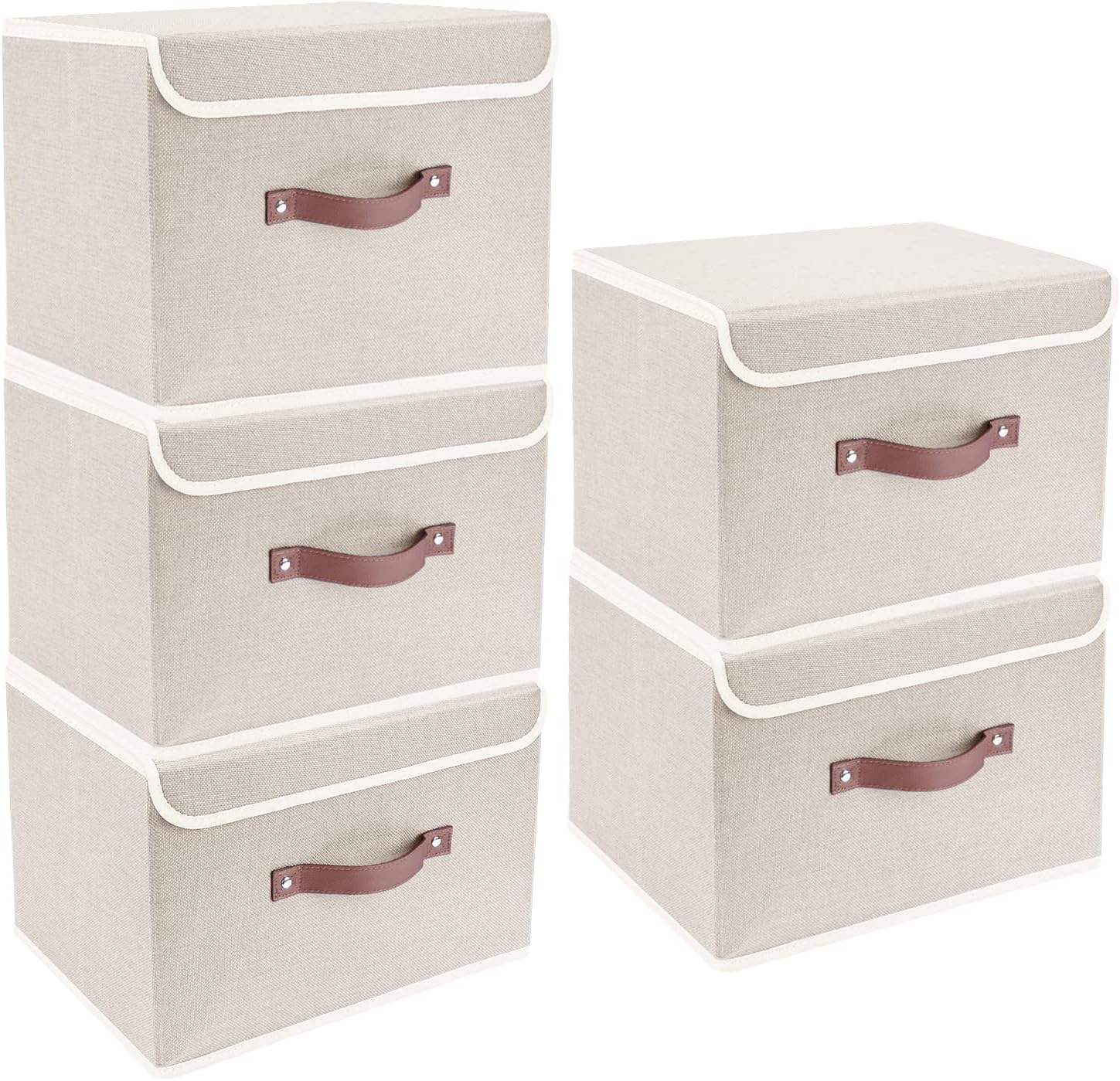
Foldable Storage Boxes with Lids 5 Pack Fabric Storage Bins with Lids, Closet Organizers for Clothes Storage, Room Organization
Shop on Amazon
Large Storage Bins with Lids, Collapsible, Washable, Fabric Storage Boxes for Organizing
Shop on Amazon5. Cleaning Caddies That Prevent Mental Scattering
When cleaning supplies are scattered across rooms, your brain tracks multiple locations and unfinished tasks. A single cleaning caddy centralizes that responsibility.
As home items that reduce mental overwhelm, caddies reduce mental fragmentation by keeping tools—and tasks—contained in one place.

Large Cleaning Caddy Bags Pink with Sturdy Support Board, Cleaning Organizer
Shop on Amazon
6. Over-the-Door Organizers That Remove Visual Pile-Ups
Items piled on floors or counters create constant visual reminders. Over-the-door organizers lift items out of sightlines while keeping them accessible.
They function as subtle home items that reduce mental overwhelm, especially in bathrooms and closets where visual chaos builds quickly.

Door Hanging Storage Organizer,with 3 Bins 1 Movable Baby Diaper Caddy
Shop on Amazon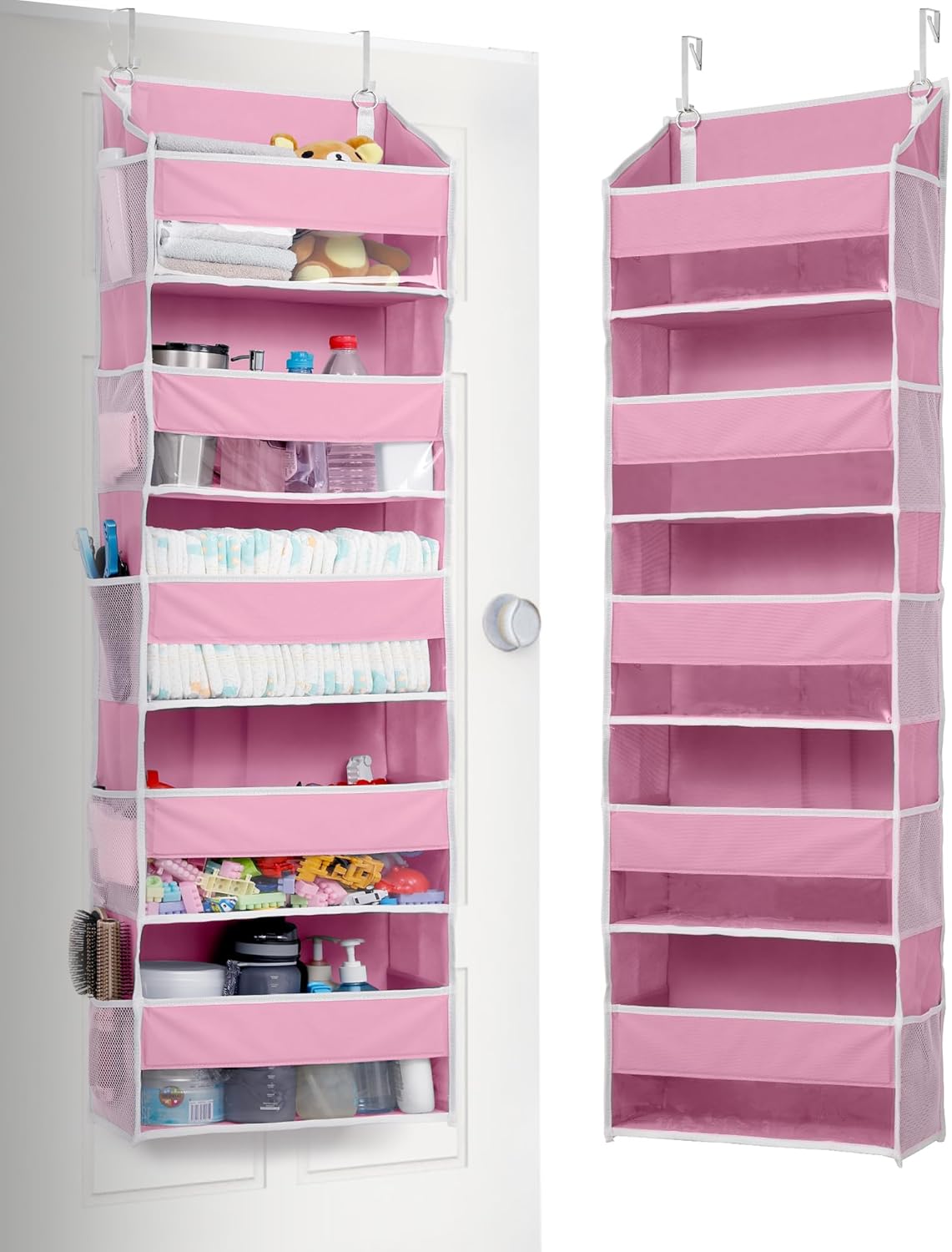
apacity Hanging Storage Organizer with Clear Window Kids Toys, Shoes, Diapers, Pink
Shop on Amazon7. Clear-but-Limited Storage That Prevents Overthinking
Limited clear containers show only what matters, preventing overbuying and overthinking. The key isn’t visibility—it’s controlled visibility.
These containers help as home items that reduce mental overwhelm by balancing awareness without overload.


8. Rolling Carts That Create Mobile “Task Zones”
Instead of spreading tools across rooms, rolling carts keep everything needed for one task together. When the task is done, the cart moves away—mentally and physically.
This containment makes carts effective home items that reduce mental overwhelm, especially in busy or multifunctional spaces.

3-Tier Metal Rolling Cart with Wheels, Storage Utility Organizer Cart for Kitchen
Shop on Amazon
6-Drawer Rolling Storage Cart, Plastic Drawer Storage Organizer Rolling Cart
Shop on Amazon
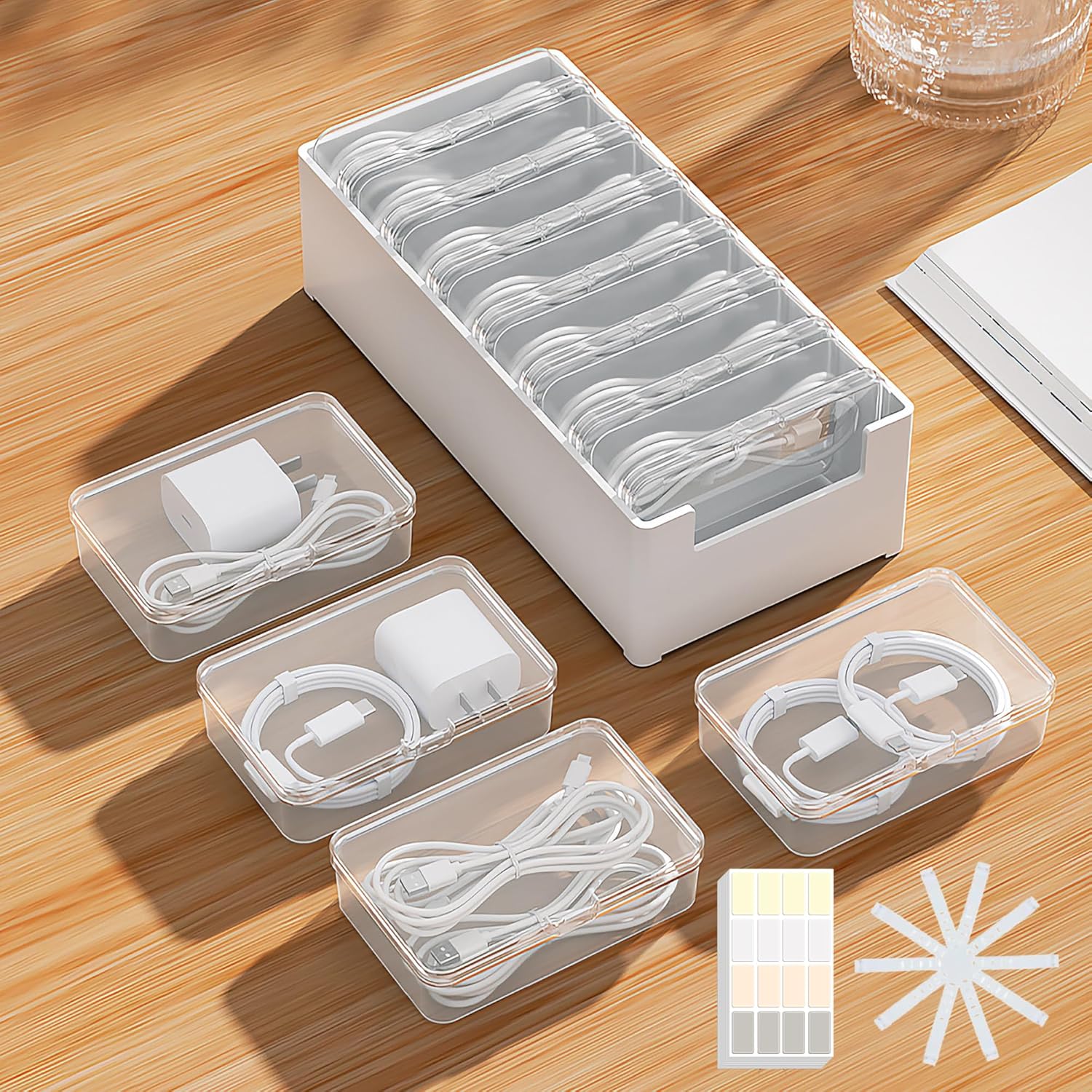
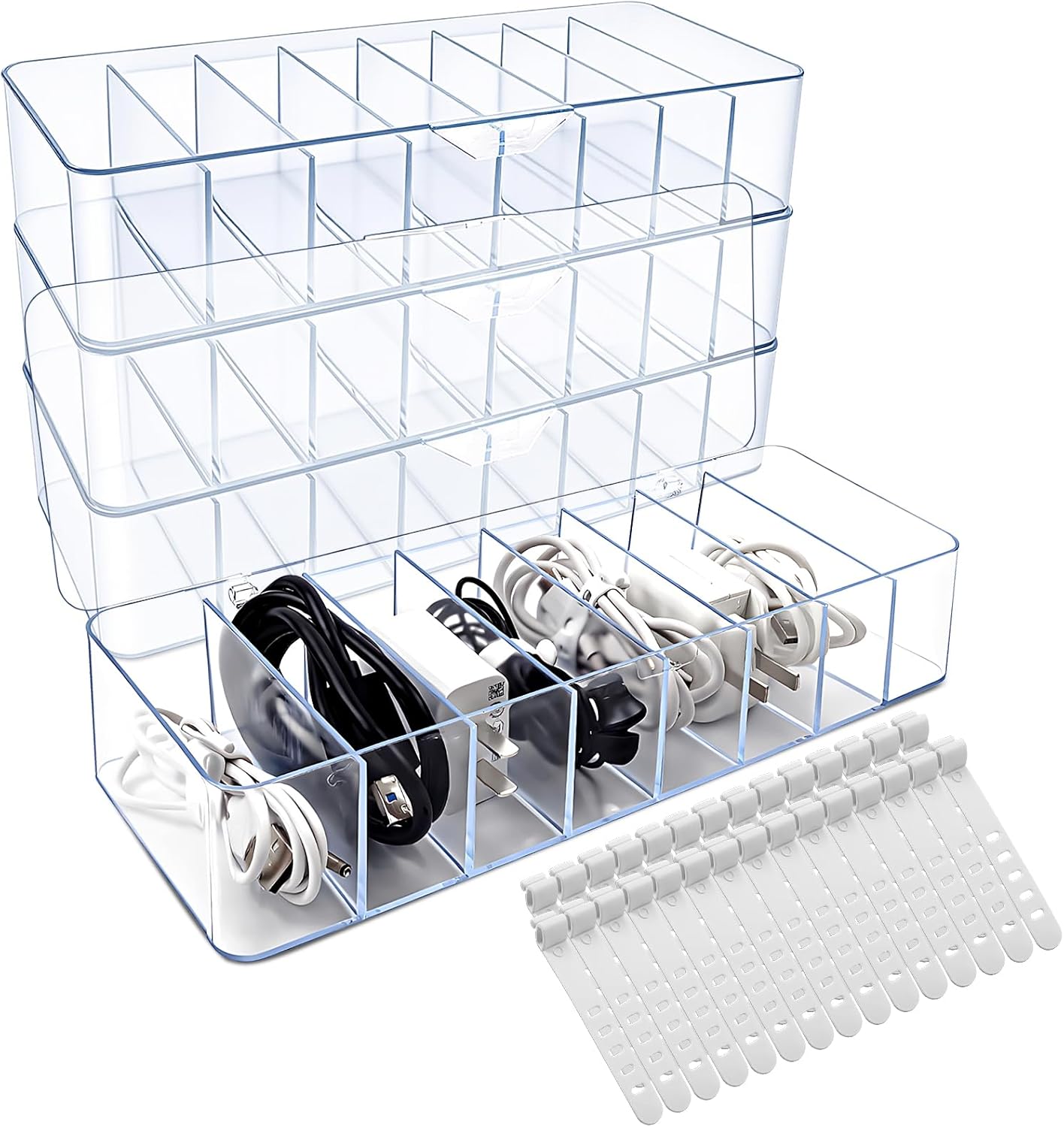
9. Cord Organizers That Eliminate Background Irritation
Loose cords create low-level irritation and visual noise. Cord organizers quiet that background stress by keeping cables neat and predictable.
They are small but impactful home items that reduce mental overwhelm, especially in bedrooms and workspaces.
10. Laundry Sorting Systems That End Mental Build-Up
Unsorted laundry is a mental reminder waiting to be dealt with. Sorting as you go removes that buildup entirely.
These systems act as home items that reduce mental overwhelm by turning a future task into a passive routine.

Laundry Hamper Sorter Cart: 4-Section Organizer with Heavy-Duty Lockable Wheels
Shop on Amazon
How Fewer Visual Decisions Create a Calmer Mind
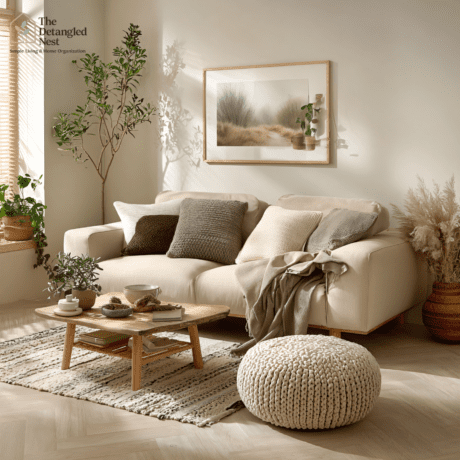
Your brain is constantly making decisions—even when you’re not aware of it. Every visible item, every unfinished surface, every object without a clear place asks a quiet question: What should I do with this? Over time, these micro-decisions pile up and turn into mental exhaustion.
This is why home items that reduce mental overwhelm are so effective. They don’t just organize objects; they reduce the number of visual decisions your brain has to process. When items are contained, categorized, or intentionally hidden, your mind receives fewer signals and can finally slow down.
A calmer home isn’t created by having less—it’s created by seeing less at once. Clear boundaries, predictable systems, and visually quiet zones allow your brain to rest instead of constantly scanning and tracking. This is especially important at the end of the day, when mental energy is already low.
By choosing home items that reduce mental overwhelm, you’re designing a space that supports clarity, focus, and emotional ease. Over time, this shift doesn’t just change how your home looks—it changes how it feels to live in it.
Frequently Asked Questions
Can organization really reduce anxiety?
Yes — not because your home becomes perfect, but because fewer visible signals reduce cognitive load. When your brain processes less visual input, stress decreases naturally.
Is mental clutter the same as physical clutter?
Not always. You can have a tidy home that still feels mentally overwhelming if items lack clear systems or boundaries.
Do I need to declutter everything first?
No. Often, better structure works faster than aggressive decluttering.
What’s the first item to start with?
A defined drop zone. It creates immediate relief by closing daily open loops.
A Home That Feels Quiet — Not Just Clean
A calm home isn’t built through perfection. It’s built through reduction — fewer signals, fewer decisions, fewer unfinished reminders pulling at your attention.
When you choose systems that reduce mental load, you’re not organizing for appearance. You’re organizing for cognitive ease.
And over time, that shift changes everything.
Your home stops demanding.
Your mind stops scanning.
And calm becomes the default — not the exception.
If this topic resonated with you, you may also enjoy reading Mental Clutter vs Physical Clutter (And How to Create a Calm Home), where we explore how your environment directly affects your thoughts and energy. For additional insight into how visual simplicity impacts mental health, this article from The Spruce offers a thoughtful perspective on creating calmer living spaces.
Ultimately, choosing home items that reduce mental overwhelm is about designing a home that gives back to you—quietly, consistently, and without effort.
Affiliate Disclaimer
Some links in this post may be affiliate links, which means I may earn a small commission if you choose to make a purchase—at no extra cost to you. I only recommend items I truly believe can support a calmer, more mentally restful home.