
Daily Clutter Systems: The Hidden Reason Mess Isn’t Laziness (It’s Missing Structure)
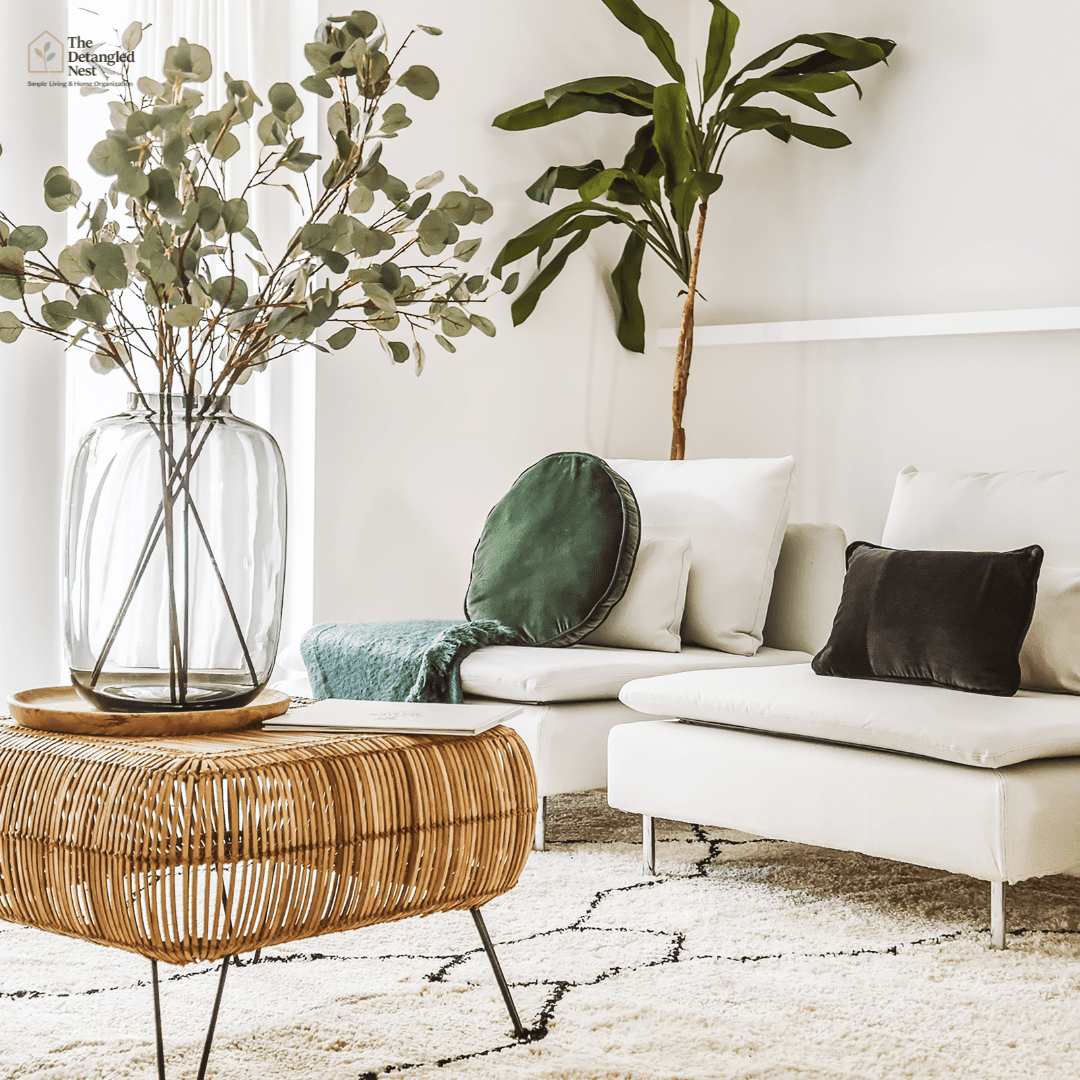
Daily clutter isn’t laziness — it’s missing systems
Daily clutter isn’t a sign that you’re lazy, messy, or bad at keeping a home together. Most of the time, it’s the result of missing systems—not a lack of effort.
You can clean every day and still feel like your home never stays calm. You put things away, wipe surfaces, and reset rooms—yet clutter keeps coming back. Shoes appear by the door again. Bags end up on chairs. Random items collect on counters, even though you just cleared them. Over time, this cycle becomes exhausting and emotionally heavy.
What’s really happening isn’t failure. It’s friction. Your home isn’t set up to support the way real life moves—between tasks, during transitions, and in the small moments when your attention is already elsewhere. When there’s no system to catch items in the moment they appear, clutter forms automatically.
This is why daily clutter systems matter so much. Without them, your home relies entirely on willpower. And willpower always loses to convenience.
Once you understand that clutter isn’t about motivation—but about structure—you stop blaming yourself. And that’s where real change begins.
This article explains the system behind daily clutter.
If your home feels messy even when you clean, this is where everything connects.

Why Daily Clutter Systems Matter More Than Cleaning Routines
Most homes don’t struggle because they aren’t cleaned often enough. They struggle because daily clutter systems are missing where life actually happens.
Think about a normal day. You come home carrying bags. You move from one room to another. You switch tasks constantly. In those moments, your brain is focused on what’s next—not on keeping things tidy. And that’s exactly when clutter forms.
Without daily clutter systems in place, items don’t disappear—they pause. They wait on counters, chairs, floors, and tables. Each pause feels harmless, but together they create a home that always feels slightly behind, no matter how often you clean.
This is why cleaning alone never solves the problem. Cleaning resets a space temporarily. Daily clutter systems prevent mess from forming in the first place. They catch items during real-life transitions, not at the end of the day when everything already feels overwhelming.
Homes that feel calm aren’t magically more organized. They’re designed with systems that work quietly in the background—systems that match how people actually live, move, and think. When those systems exist, mess doesn’t have the chance to spread.
Once you shift your focus from cleaning more to building daily clutter systems, your home starts working with you instead of against you. And that’s when things finally feel easier.


Laundry Basket with Lid, Clothes Hampers for Laundry with Bamboo Handles and A Removable Bag
Shop on AmazonThe 3 Daily Clutter Systems Every Calm Home Uses (Without Trying Harder)
A calm home doesn’t rely on motivation or discipline. It relies on daily clutter systems that work automatically, even on busy, messy, real-life days. These systems don’t require you to think harder or clean more—they quietly guide clutter before it spreads.
Here are the three daily clutter systems that make the biggest difference.
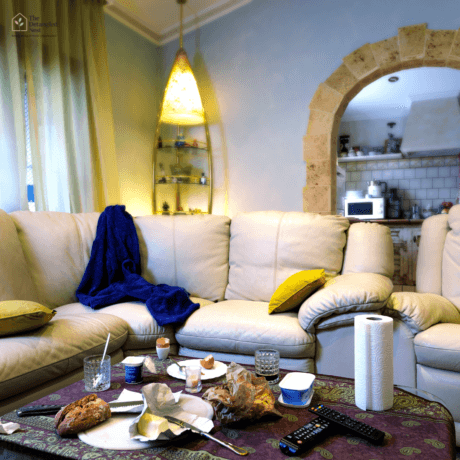
1. Drop-Zone Systems (Where Items Land First)
Every item you bring into your home needs a first stop. Without it, clutter floats.
Daily clutter systems start with drop zones placed exactly where habits already happen—not where you wish they would happen. Keys land near the door because that’s where your hands are full. Bags drop on chairs because that’s where you pause. Shoes end up by the entrance because that’s where you stop moving.
A functional drop-zone system accepts this reality and works with it.
When keys have a tray, bags have hooks, and shoes have a basket or rack right where they’re dropped, clutter stops migrating. The item completes its journey instead of entering limbo.
This is one of the most powerful daily clutter systems because it prevents mess at the exact moment it forms—during transitions.
Feeling like you reset the same mess every single day?
I created a simple printable workbook to help you stop daily clutter before it starts.
👉 Download the Daily Clutter Systems Workbook
Printable workbook
Daily Clutter Systems
Stop mess before it starts — with simple systems that stick.
- Identify your daily clutter triggers
- Build an entry drop zone + kitchen reset
- Create your own daily clutter plan
Instant download • Personal use only
2. Containment Systems (Where Mess Is Allowed to Exist)
Not all clutter needs to disappear immediately. Some clutter just needs boundaries.
Containment systems—like baskets, bins, trays, and drawers—give mess a controlled place to exist without spreading visual chaos. They don’t eliminate clutter; they absorb it.
In homes without daily clutter systems, clutter spreads across surfaces. In homes with them, clutter stays contained in one defined area. The difference is massive.
Containment reduces visual noise, decision fatigue, and the feeling that your home is constantly “unfinished.” Your brain relaxes because it knows where things belong—even if they aren’t perfectly put away yet.
This is why baskets work so well in calm homes. They create instant order without effort.
Winter tends to expose clutter more than any other season, especially when we spend more time indoors. I share my full approach to winter home organization here, where simple daily systems meet cozy, intentional living.
3. Reset Systems (How the Home Recovers Daily)
The final piece of effective daily clutter systems is the reset—not a deep clean, but a light, predictable return to baseline.
Homes that feel calm don’t reset everything. They reset specific zones. A quick basket empty. A tray cleared. Shoes returned to their place. These resets take minutes because the systems already exist.
Without systems, resets feel overwhelming. With them, resets feel almost automatic.
The key is consistency, not intensity. A small daily reset supported by clear systems keeps clutter from compounding into chaos.


Why These Systems Work Together
Drop zones stop clutter at the door.
Containment prevents spread.
Resets restore calm.
Together, these daily clutter systems create a home that stays manageable—even when life isn’t.
You don’t need more willpower. You need structures that hold your habits for you.
How to Build Daily Clutter Systems Room by Room (Without Overhauling Your Home)
Daily clutter systems work best when they’re tailored to how each room is actually used—not how it should look. You don’t need a full reset or a major reorganization. You need small systems placed at pressure points, where clutter forms naturally.
Here’s how to build daily clutter systems room by room—quickly, realistically, and without burnout.
Entryway: Catch It Before It Spreads
The entryway is where clutter either ends or multiplies.
A calm home always has:
One clear drop zone for keys and essentials
One visible solution for bags or jackets
One containment option for shoes or “deal with later” items
This setup turns arrival into a completed task instead of an open loop. When the entryway absorbs clutter, the rest of the house stays cleaner without effort.
This is the most important daily clutter system in the entire home.
Kitchen: Stop Surface Creep
Kitchen clutter doesn’t come from cooking—it comes from in-between moments.
To prevent surface overload:
Keep counters mostly empty on purpose
Use a small tray or basket for daily-use items only
Contain papers, chargers, or random objects immediately
A kitchen with daily clutter systems doesn’t rely on constant wiping. It relies on limiting what’s allowed to live on surfaces in the first place.
When surfaces have boundaries, mess doesn’t spread.
Living Room: Absorb, Don’t Eliminate
Living rooms are meant to be lived in. Trying to keep them clutter-free at all times is unrealistic—and unnecessary.
Instead, use:
One basket for throw blankets or toys
One tray for remotes and small items
One defined “temporary zone”
These containment points allow the room to stay visually calm even when life is happening. This is where daily clutter systems reduce mental overwhelm the most.
Bathroom: Reduce Micro-Mess
Bathrooms collect clutter through repetition: products used daily, items left out “just for now.”
Effective systems here include:
Drawer organizers that limit overflow
Closed containers to reduce visual noise
One small basket for shared items
When everything has a predictable place, your brain stops scanning the room—and stress drops instantly.
Bedroom: Protect Rest Zones
Bedrooms should be the least demanding spaces mentally.
Daily clutter systems here focus on:
Nightstand trays for essentials
Laundry containment (never loose piles)
Clear rules for what doesn’t belong in the room
When clutter stays out of rest zones, sleep improves—and so does your ability to reset the home.
Why This Works Without Overwhelm
You’re not organizing everything.
You’re organizing pressure points.
Daily clutter systems don’t aim for perfection. They aim for containment, clarity, and recovery. That’s why they work even on tired days.


Why Daily Clutter Systems Work Better Than Cleaning More
If your home gets messy again just hours after you clean, the problem isn’t effort—it’s structure. Cleaning removes visible mess, but it doesn’t stop clutter from returning. Daily clutter systems do.
When you rely on cleaning alone, you’re always reacting. You wipe, reset, and repeat the same cycle. But when you build daily clutter systems, you prevent mess at the moment it forms. Items are caught, contained, and absorbed before they spread across surfaces and rooms.
This is why daily clutter systems feel lighter than traditional organizing. They don’t demand perfection or constant discipline. They work with your habits instead of fighting them. Over time, your home begins to hold itself together—even on busy, exhausting days.
Instead of asking, “Why is my house always messy?” you start seeing the real shift:
fewer resets
fewer visual distractions
less mental load tied to your space
That’s the difference between a home that looks clean for an hour—and a home that stays calm most of the day.
If this perspective resonates with you, you may find it helpful to explore these related articles that expand on how clutter forms and how systems prevent it:
Why Your House Gets Messy So Fast (Even If You Clean Every Day) — a deeper look at why mess returns despite daily effort
What to Put Near the Door to Stop Daily Clutter From Taking Over — practical entryway systems that prevent clutter at the source
10 Powerful Home Items That Reduce Mental Overwhelm (Not Just Physical Clutter) — tools that support both visual and mental calm
Together, these pieces help connect the bigger picture behind daily clutter and show how small, intentional systems can make your home feel easier to manage—without constant cleaning or perfection.
For a deeper explanation of why visual clutter increases stress and decision fatigue, this article from The Spruce offers helpful insight into how structured spaces support calmer routines.
Daily clutter systems aren’t about doing more. They’re about setting up your home so it asks less of you. When your space stops demanding constant attention, you finally get the calm you’ve been cleaning for all along.

Affiliate Disclaimer
Some links in this post may be affiliate links, which means I may earn a small commission if you choose to make a purchase—at no extra cost to you. I only recommend products and systems that genuinely support daily clutter systems and a calmer, more functional home.



11 Comments