What to Put Near the Door to Stop Daily Clutter From Taking Over
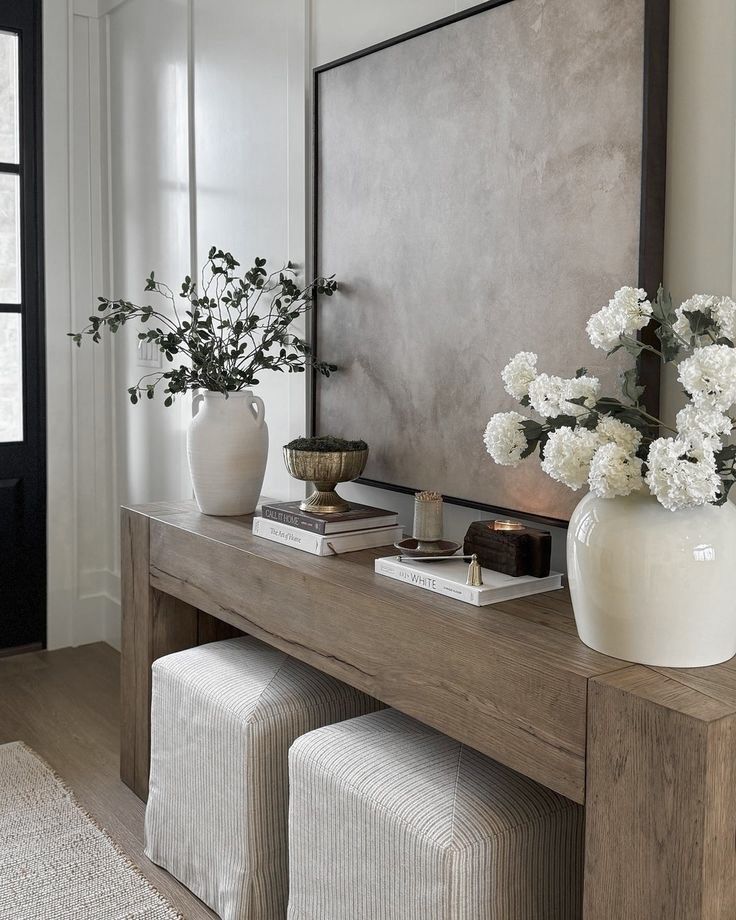
What to Put Near the Door (And Why It Matters More Than You Think)
What to put near the door is one of those things most of us don’t really think about: until the mess starts getting out of control. The area by the door is where real life happens. Shoes come off the second you walk in. Bags get dropped. Keys land wherever there’s space. Mail sits there “just for now,” but somehow stays longer than planned.
Even when the rest of the house is clean, this one small spot can quietly make everything feel messy. And it’s frustrating, because it feels like you’re always cleaning: but nothing really stays tidy.
The issue isn’t that you’re disorganized. It’s that the space near the door isn’t set up to handle everyday habits. When there’s no clear place to put things the moment you walk in, clutter forms automatically. It happens so fast you barely notice it.
The good news? A functional entry area doesn’t need to be big, expensive, or styled like a magazine. It just needs a few simple elements that match how you actually move through your day. When items have an obvious place to land, they stop spreading to chairs, counters, and floors. Cleanup becomes easier, and the space feels calmer without extra effort.
In this guide, you’ll learn exactly what to put near the door so clutter stops at the entrance: and your home feels easier to manage from the moment you walk in.
👉 Feeling overwhelmed today?Download Bare Minimum Days, gentle survival pages created for moms who are just trying to get through the day.
Instant download →Why the Area Near the Door Gets Messy So Fast
The space near your door works harder than almost any other part of your home. It’s a transition zone: between outside and inside, leaving and arriving, one task and the next. And clutter loves transition points.
When you come home, your mind is already moving forward. You’re thinking about dinner, the kids, groceries, or the next thing on your list. In that moment, speed matters more than organization. Shoes come off quickly. Bags get set down wherever it’s easiest. Keys end up on the closest surface.
That’s exactly why what to put near the door matters so much. Without simple, immediate solutions in this spot, mess doesn’t stay contained. It spills into nearby rooms and turns into something you feel like you’re constantly resetting.
Homes that stay tidier aren’t cleaner: they’re better prepared for these in-between moments. They make it easy to do the “right thing” without thinking. When the entry area supports your natural habits, clutter gets stopped before it ever spreads.
Once you shift from cleaning more to setting up smarter systems, the whole house starts to feel calmer.


The First Things You Should Always Have Near the Door
When you’re deciding what to put near the door, the goal isn’t decoration: it’s function. This area needs to work fast, with almost no effort, because clutter forms here in seconds.
Think about the items that always end up by the door: keys, bags, shoes, mail, jackets. These things don’t pile up because you’re careless. They pile up because there’s no obvious place for them to go. When even one of these items lacks a clear home, everything else follows.
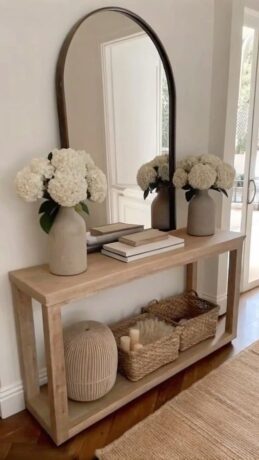
That’s why choosing what to put near the door should be based on behavior, not aesthetics. A small tray gives keys and wallets a natural landing spot. Hooks placed at the right height make hanging a bag easier than dropping it on a chair. A simple basket quietly collects shoes or scarves without letting them spread across the floor.
Ease is everything. If putting something away takes extra steps, opening a door, bending down, or walking to another room, it won’t happen consistently. But when the solution is right in front of you, clutter naturally stops at the door.
Once these basics are in place, tidying feels less like work and more like something your home does for you.


Simple Entryway Setups That Work Even in Small Homes
You don’t need a big entryway or a separate hallway to keep this area under control. Even in small homes or apartments, a thoughtful setup near the door can make a big difference.
The biggest misconception is thinking you need more space. In reality, you usually just need better placement. A narrow wall, the back of a door, or a small corner can become an effective entry zone if it holds only what you use every day. This is where knowing what to put near the door becomes especially important, because the right items prevent clutter from spreading before it starts.
Vertical solutions work especially well when floor space is limited. Wall hooks keep jackets and bags off furniture. A slim shoe rack prevents shoes from spreading across the floor. A shallow tray or compact basket creates a simple landing spot for keys and mail without overwhelming the space.
The key is restraint. Small entryways feel chaotic when too many items compete for attention. Fewer, well-chosen pieces create clarity and make the space easier to maintain. When you’re intentional about what to put near the door, routines feel smoother: and clutter stops forming on its own.


Shoe Storage Bench with PU Seat Cushion, Entryway Shoe Rack Bench with Metal Mesh Shelves
Shop on AmazonHow the Right Entryway Setup Stops Mess From Spreading
What happens near the door rarely stays near the door. When that area isn’t set up intentionally, clutter slowly travels: onto the kitchen counter, the dining table, the couch, even the bedroom chair. You don’t always notice it happening, but you feel the result: your home never quite feels settled.
This is exactly why understanding what to put near the door makes such a difference. When there’s no clear place for items the moment you walk in, they follow you as you move through the house. A bag gets carried into the living room. Shoes get kicked off farther down the hall. Mail ends up on the kitchen counter simply because it had nowhere else to go.
The right entryway setup quietly stops this chain reaction. When keys have a tray, bags have hooks, and shoes have a simple landing spot, clutter gets contained immediately. Items stop traveling from room to room, and you’re no longer gathering the same things over and over again.
You don’t need perfection: just clarity. When you know exactly what to put near the door, your home starts holding mess at the source instead of letting it spread. Over time, that one small system makes the entire house feel calmer, easier, and far more manageable.


What Not to Put Near the Door (And Why It Backfires)
When thinking about what to put near the door, it’s just as important to understand what shouldn’t live there. The entry area often becomes a “temporary” landing zone: but in reality, nothing there ever feels temporary. Items get placed down for a moment and quietly stay for days.
One of the most common mistakes is keeping objects near the door that don’t have a clear purpose. Decorative tables without compartments, flat surfaces with no structure, or random decor pieces invite clutter to pile up. Instead of helping organization, they unintentionally encourage everything to land there.
Another issue is allowing items that don’t belong to the entryway to settle in. Toys, objects from other rooms, or things you plan to “put away later” create visual noise. Over time, this teaches your brain that the space near the door has no rules: and that’s where chaos begins.
Understanding what not to put near the door is just as powerful as knowing what belongs there. Clear boundaries matter more than constant cleaning. When an area has a defined purpose, it naturally stays calmer and easier to manage.
A functional entryway isn’t one that looks perfect in photos: it’s one that doesn’t mentally exhaust you every time you walk through the door.
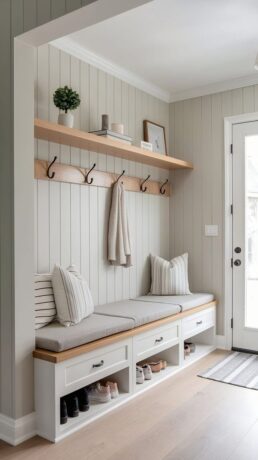
What to Put Near the Door to Stop Clutter Before It Spreads
Now that you know what doesn’t belong near the entry, it becomes much easier to decide what to put near the door to actually support your daily routine. The goal isn’t to organize perfectly: it’s to create quick landing spots that work in real life.
Every item placed near the door should answer one simple question: What do I naturally drop here when I walk in? When your setup matches your habits, clutter stops forming automatically.
A small tray or dish gives keys, wallets, and sunglasses an obvious home, so they don’t migrate to counters or tables. Hooks at arm level make it easier to hang a bag or jacket than to toss it onto a chair. A basket or low bin absorbs shoes, scarves, or items you’ll deal with later: without letting them spread into nearby rooms.
The most important rule is effortlessness. If putting something away requires extra steps, your brain will skip it. But when the solution is visible, close, and intuitive, you use it without thinking. That’s when clutter stops at the door instead of traveling through your home.
When you choose what to put near the door with intention, you’re not just organizing a space: you’re setting the tone for how your entire home functions the rest of the day.
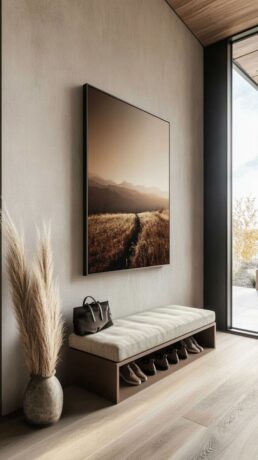
Final Thoughts: A Door Area That Works for Real Life
Knowing what to put near the door can completely change how your home feels on a daily basis. When this space is set up to catch clutter the moment you walk in, mess stops spreading into the rest of the house. Shoes, bags, keys, and everyday essentials land where they belong: without effort, reminders, or constant resets.
If your home feels messy even when you clean regularly, it may help to understand why your house gets messy so fast and how clutter forms between tasks, not because of lack of effort. You can explore that deeper in this article: Why Your House Gets Messy So Fast (Even If You Clean Every Day).
If daily clutter keeps returning no matter how often you clean, you may find it helpful to explore Daily Clutter Systems, where I break down the simple structures that stop mess before it starts.
A functional entryway isn’t about decoration or perfection. It’s about supporting real life transitions. When you choose what to put near the door based on how you actually move through your day, your home becomes easier to maintain and mentally lighter to live in.
It’s also worth remembering that clutter isn’t only physical. When entry spaces are visually noisy, they add to mental fatigue. This guide on Mental Clutter vs Physical Clutter explains how small systems near the door can reduce overwhelm and help your home feel calmer overall.
For additional expert insight, The Spruce explains how entryway organization supports daily routines and prevents clutter from spreading throughout the home.
A thoughtful setup near the door doesn’t require more cleaning: it simply gives everyday items a place to land, so your home can stay calm without extra effort.
Feeling mentally overloaded? I created a gentle guide to help you unload your mind and feel lighter.
Instant download →Affiliate Disclaimer
Some links in this post may be affiliate links, which means I may earn a small commission if you make a purchase through them: at no extra cost to you. I only recommend products I genuinely believe can help create a calmer, more organized, and easier-to-manage home. Thank you for supporting my work and helping keep this blog running.