
7 Powerful Insights Into Mental Clutter vs Physical Clutter (And How to Create a Calm Home)
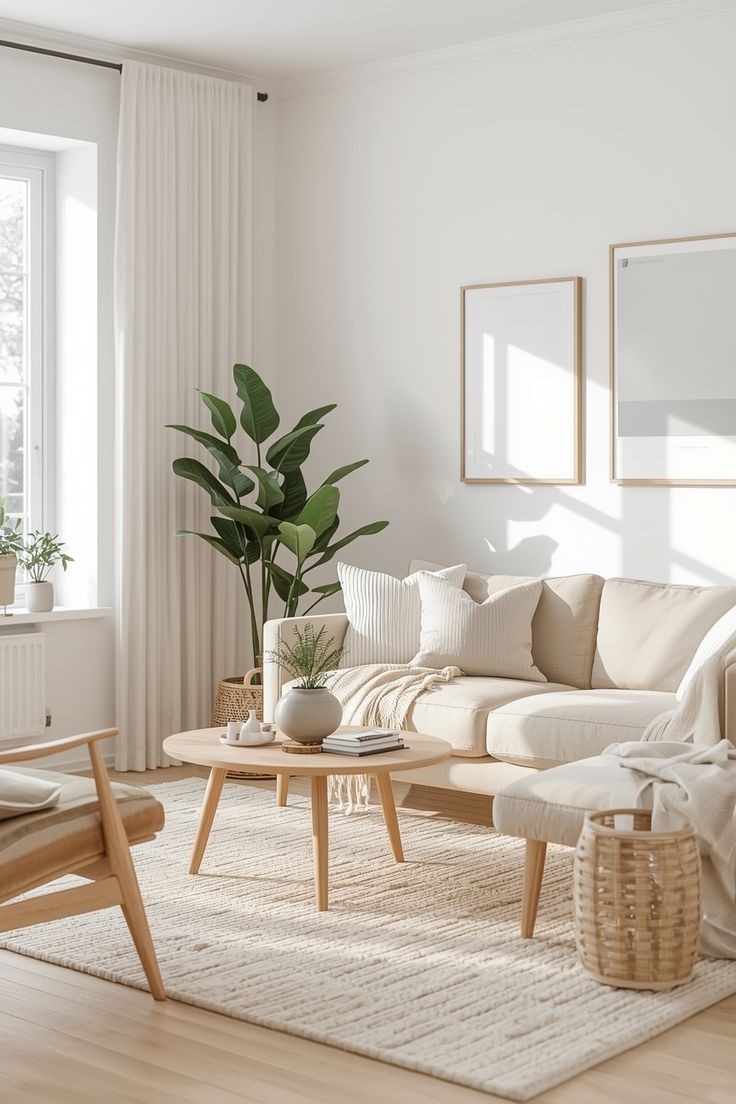
Mental clutter and physical clutter often exist together: even when we don’t consciously recognize them. You walk into your home and, on the surface, everything looks fine. Yet your chest feels tight. Your mind doesn’t fully settle. The discomfort isn’t always caused by visible mess. More often, it comes from the quiet accumulation of unfinished thoughts, emotional weight, and mental open loops that linger in your space.
For a long time, I believed calm would come once I organized better, bought smarter storage, or followed the “right” routines. I assumed that if my home looked tidy enough, peace would naturally follow. But even when everything was in place, the heaviness remained. That’s when I began to understand that our homes don’t just hold furniture and decor: they reflect our pace, our pressure, and the way we move through daily life.
As mental clutter builds, it often translates into physical overwhelm. Drawers feel harder to open. Surfaces begin to feel crowded. Simple tasks require more energy than they should. This connection between mental clutter and physical clutter is subtle, but powerful: especially during seasons of stress, motherhood, or constant busyness, when the mind rarely gets a moment to rest.
In this post, we’ll explore why your home may be mirroring what’s happening internally: and how small, intentional shifts can help release both mental and physical clutter. Not through pressure or perfection, but through awareness, gentleness, and systems that support a calmer way of living.
 Feeling overwhelmed and just trying to get through the day? I created a gentle printable called Bare Minimum Days: simple survival pages for overwhelmed moms who need support, not another routine. 👉 Download Bare Minimum Days
Why Mental Clutter Often Shows Up in Our Homes
Mental clutter rarely appears all at once. It builds slowly: through busy days, unfinished thoughts, unspoken emotions, and the quiet pressure to keep everything moving. When your mind becomes overloaded, your home often becomes the first place where that weight settles. Not because you’re failing, but because your space naturally reflects your inner state.
When mental energy is stretched thin, even simple decisions start to feel heavy. Items get set down instead of put away. Certain drawers or corners are avoided because they feel overwhelming. Small piles form: not as mess, but as pauses. Your home begins holding what your mind no longer has space to carry.
This is where the relationship between mental clutter vs physical clutter becomes clear. Physical clutter is what you can see. Mental clutter is what drains you. It affects how you move through your space, how patient you feel, and whether your home actually provides rest: even when it looks “fine.”
For many women, especially mothers or those balancing multiple roles, the mind carries invisible to-do lists all day long. The home becomes the place where that invisible load finally drops: in the form of scattered items, unfinished projects, or spaces that feel heavy instead of restorative.
Understanding the connection between mental clutter and physical clutter is the first step toward real calm. Not by fixing your home faster, but by listening to what your space is quietly reflecting about your inner world.


Signs Your Home Is Holding Mental Clutter
Sometimes clutter isn’t about how much you own: it’s about how your home makes you feel. You may walk into a room and immediately feel tired, distracted, or slightly on edge, even when everything looks “fine” on the surface. These quiet reactions often point to a deeper connection between mental clutter vs physical clutter, where the real weight isn’t visual, but emotional.
One common sign is avoidance. A drawer you hesitate to open. A corner you keep meaning to “deal with later.” A surface that slowly collects unfinished things. These spaces usually don’t hold unnecessary objects: they hold postponed decisions, waiting for mental energy that hasn’t been available yet.
Another sign is restlessness. You sit down to relax, but your eyes keep scanning the room. Something feels unresolved, even when the space appears tidy. This is how mental overload often shows up physically: your mind stays alert because your environment doesn’t feel complete or settled.
You may also notice emotional attachment to items that no longer fit your current life. Objects tied to guilt, past versions of yourself, or future “someday” plans can quietly weigh on your space without being obvious. They ask something of you every time you see them: attention, memory, or emotion.
Recognizing these signs isn’t about fixing everything at once. It’s about noticing where your home is holding what your mind has been carrying. When awareness comes first, calm begins naturally: without pressure, force, or overwhelm.

Mental Clutter vs Physical Clutter: What Each One Needs
Understanding the difference between mental clutter vs physical clutter allows you to respond with kindness instead of urgency. While the two are deeply connected, they don’t heal in the same way: and trying to fix both at once often leads to more overwhelm, not less.
Mental clutter doesn’t need storage solutions. It needs space. It softens when you slow the pace, release unrealistic expectations, and give yourself permission to pause without guilt. This can look like writing things down instead of carrying them in your head, creating gentler routines, or allowing unfinished tasks to exist without immediately demanding resolution. When the mind feels supported, the home often begins to feel lighter on its own.
Physical clutter, by contrast, needs clarity: not pressure. It responds best to small, intentional decisions rather than dramatic decluttering sessions. Letting go of items that no longer fit your current season, reducing visual noise, and giving everyday objects clear, consistent homes helps your space feel calmer without constant effort.
The key distinction in mental clutter vs physical clutter is where you begin. Mental clutter asks you to start inward. Physical clutter asks you to respond outward. When you approach both gently, without forcing progress, they begin to support each other naturally.
A calm home isn’t built through perfection or strict rules. It grows when your inner world and physical space are cared for together, at a pace that feels safe, realistic, and sustainable.


How to Release Mental Clutter Before Decluttering Your Home
Before touching a single drawer or shelf, it’s important to pause and notice what your mind is carrying. When it comes to mental clutter vs physical clutter, mental clutter almost always needs attention first. Without that step, decluttering can feel draining instead of freeing: like another task added to an already full load.
Begin by gently emptying your mind, not your home. Write down everything that’s looping in your thoughts: tasks, worries, reminders, unfinished ideas. This simple act reduces mental noise immediately. You don’t need to organize or solve anything yet: you just need to stop carrying it all at once.
Next, soften the pace of your day wherever possible. Mental clutter thrives in constant urgency. Even small pauses, a quiet cup of coffee, a few steady breaths between tasks, or a moment of stillness before bed, help calm your nervous system. When the mind slows, decisions become clearer and less emotionally charged.
It’s also essential to release unrealistic expectations. Your home doesn’t need to look perfect to feel calm. Comparison to idealized spaces or routines adds invisible pressure that often turns into physical overwhelm. Letting go of those expectations creates mental space: and that space makes physical decluttering feel lighter.
As mental clutter softens, physical clutter becomes easier to address. Choices feel simpler. Emotions steady. Your home begins to respond naturally, without force or frustration. This balance between mental clutter vs physical clutter is what creates lasting calm: not through urgency, but through awareness, kindness, and a gentler way of moving through your space.

Neutral Storage Basket
5 Pack Woven Storage Baskets for Shelves, Decorative Basket Organizer Storage Bins
Buy on Amazon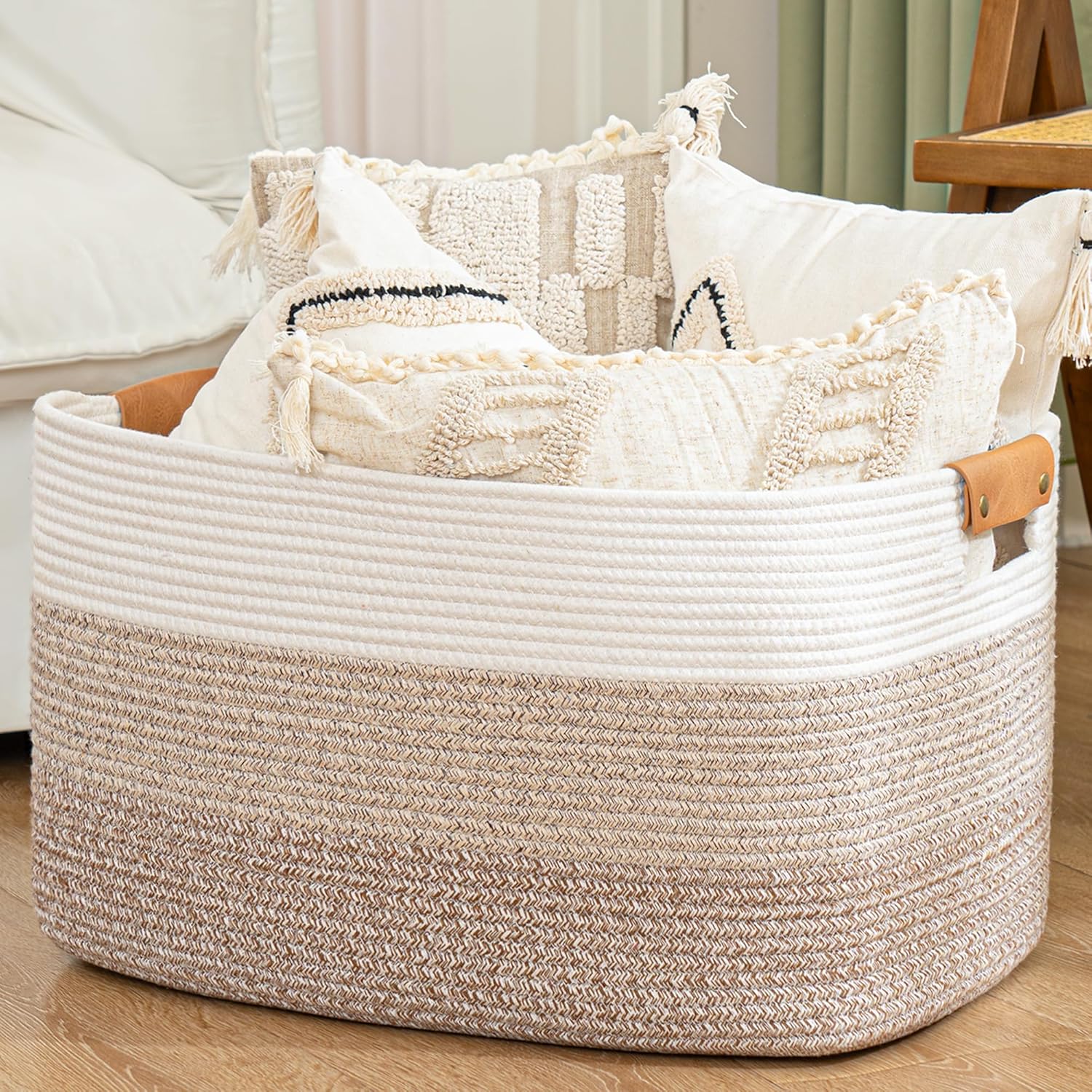
Decorative Storage Organization Living Room
Decorative Storage Organization Living Room
Buy on AmazonSmall Gentle Actions That Ease Mental Clutter vs Physical Clutter
When it comes to mental clutter vs physical clutter, the most powerful changes are rarely dramatic. They don’t come from full clean-outs, strict rules, or perfect systems. They come from small, gentle actions that support your mind and your space at the same time.
One of the simplest shifts is creating pause points in your home. These are intentional spots where life is allowed to slow down for a moment. A tray for daily essentials, a basket for items without a clear home yet, or a clear surface near the door can stop small messes from turning into mental overload. These pause points catch clutter at the exact moment it appears: both physically and emotionally.
Another gentle action is reducing visual noise. You don’t necessarily need to own less, but you may need to see less. Grouping similar items, choosing softer lighting, and leaving some surfaces intentionally empty gives your brain fewer signals to process. When your eyes rest, your mind follows.
It also makes a huge difference to align your space with how you actually live: not how you think you should live. When storage and routines match your real habits, resistance disappears. You stop fighting your home, and clutter stops pushing back.
This is the quiet power of addressing mental clutter vs physical clutter together. Progress feels lighter because it’s not forced. Each small adjustment supports the next, creating a home that protects your energy instead of draining it: one gentle change at a time.


A Soft Daily Reset That Supports Mental Clutter vs Physical Clutter
Lasting calm doesn’t come from doing more. It comes from how you end your day. A soft daily reset prevents mental clutter vs physical clutter from building up again: without turning your evenings into another exhausting checklist.
This reset doesn’t need to be long or perfect. Ten quiet minutes are enough. It might mean clearing a single surface, returning a few items to their place, or setting out one small thing for the morning. These gentle actions tell your mind that the day is complete: and that it’s safe to rest.
Just as important is the mental reset. Let go of what didn’t get done. Productivity is not a measure of your worth, and your home doesn’t need to be flawless to support you. When you mentally close the day, your space naturally follows.
Over time, this simple rhythm changes how your home feels. Evenings become lighter. Mornings feel calmer. The balance between mental clutter vs physical clutter becomes easier to maintain because neither is allowed to quietly pile up.
Calm isn’t created in big, dramatic moments. It’s built slowly: through small, kind choices that honor both your inner world and the space you live in.
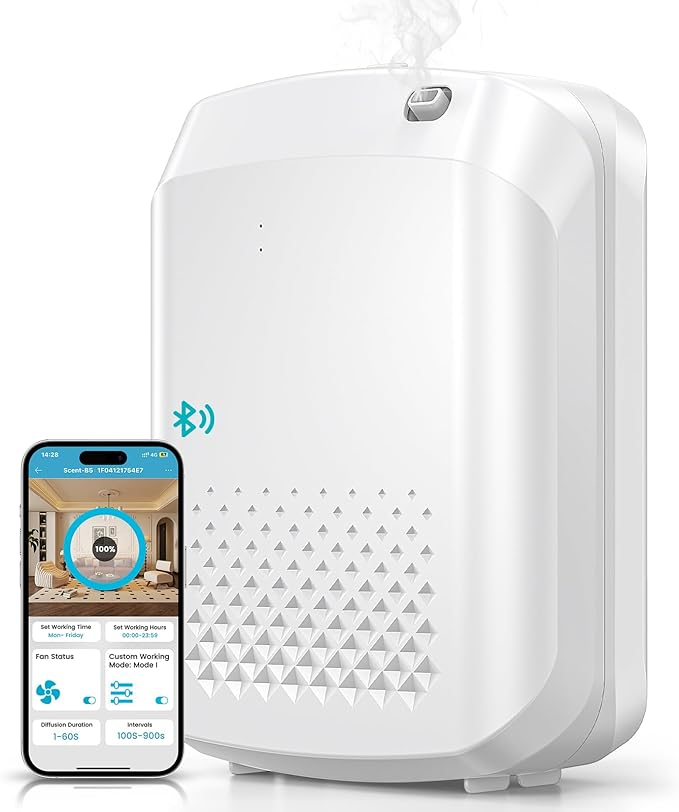
Waterless Essential Oil Diffuser 3000 Sq.Ft Coverage
Aromathrapy, Bluetooth App Control, Quiet No-Noise Aroma Diffuser Wall Amount.
Buy on Amazon
Hotel Collection Diffuser Essential Oil
Home,Stress Relief Air Freshening,My Way,Westin,Wynn Las Vegas,Baccarat,Four Seasons,Aria.
Buy on Amazon
Scentify Santal Aroma Oil Refill Scent for Oil Diffusers
Iris, Amber, Sandalwood, Cedar Scents - Luxurious Relaxing Aromatherapy Diffuser Fragrance 100ml.
Buy on AmazonFinal Thoughts: Creating Calm From the Inside Out
A calm home is rarely about doing everything right. It’s about noticing what your space is asking for: and responding with kindness. When you understand the relationship between mental clutter vs physical clutter, you stop treating your home as a problem to fix and start seeing it as a reflection to listen to.
When overwhelm keeps returning, it’s often not about having too much: but about missing daily systems that support your home. I explore this more deeply in Daily Clutter Systems, where structure replaces constant decision-making
If your space has felt heavy lately, you’re not alone. Sometimes the most supportive next step is a small one. You might begin by revisiting Quiet Daily Habits for a Calm Home, where gentle routines help reduce daily overwhelm, or grounding yourself with Small Home Changes That Made My Days Feel Lighter, which focuses on subtle shifts that make a real difference. And if everything feels like too much, What to Declutter First When Overwhelmed offers a compassionate place to start: without pressure or perfection.
It also helps to remember that the connection between mind and space is real and well supported. Research shows that our surroundings directly affect stress levels, focus, and emotional balance: a relationship explored in depth through resources like Psychology Today’s work on environment and mental health.
As you move forward, let your home evolve alongside you. When you support both sides of mental clutter vs physical clutter, calm becomes something you live with daily: not something you chase. One gentle, intentional choice at a time is more than enough.
Affiliate Disclosure
This post may contain affiliate links, which means I may earn a small commission if you choose to make a purchase through them: at no extra cost to you. I only share products I genuinely love, use, or believe can support a calm, intentional home. Thank you for supporting The Detangled Nest and helping keep this space thoughtful, gentle, and free.


1 Comment