
How to Remove Black Mold from Shower Tiles and Bathtub (Step-by-Step Guide)
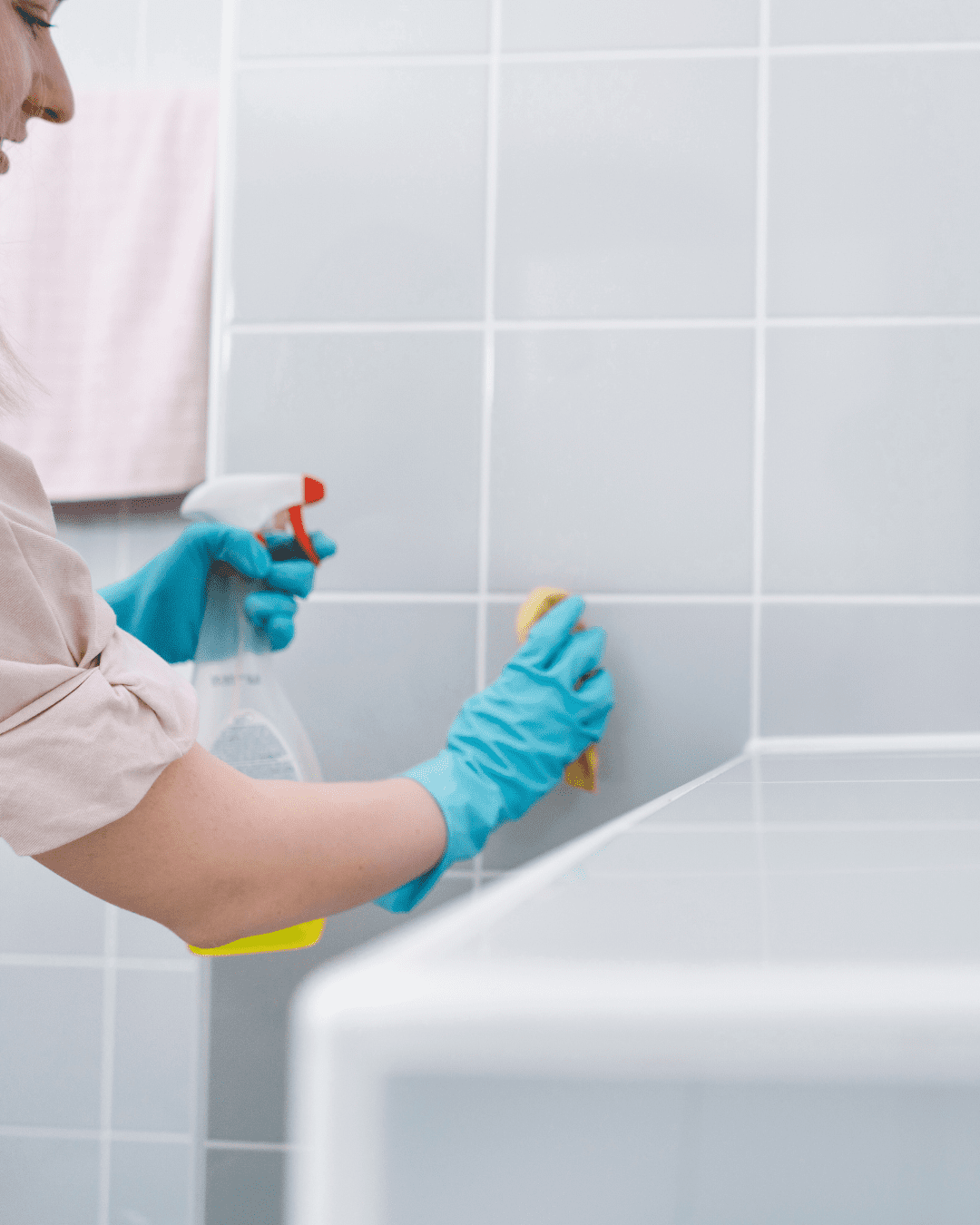
Black mold in the shower or bathtub is one of the most frustrating bathroom problems. It usually appears as dark spots along tile grout, silicone caulking, or in the corners of your shower cabin — and no matter how often you clean, it seems to come back.
If you’re wondering how to remove black mold from shower tiles and bathtub surfaces safely and effectively, this step-by-step guide will walk you through proven methods that actually work. You’ll learn how to treat mold naturally with simple household ingredients, when to use stronger cleaners for stubborn stains, and how to prevent mold from returning.
With the right approach, you can restore your shower tiles and bathtub to a clean, fresh state — without damaging surfaces or spreading spores. Let’s start by understanding why black mold forms in the first place.
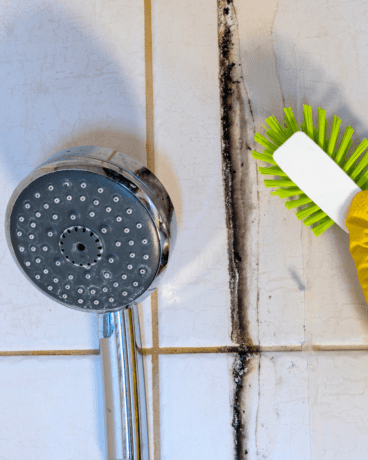
Why Black Mold Forms in Showers and Bathtubs
Black mold thrives in warm, damp environments — and bathrooms provide the perfect conditions. After every shower, moisture lingers on tiles, grout lines, silicone caulking, and in hidden corners.
The most common places where mold develops include:
-
Tile grout lines
-
Silicone caulking around the bathtub
-
Shower cabin corners
-
Under shelves or soap holders
-
Along bathtub edges
Grout and silicone are porous materials. They absorb water, and when moisture isn’t properly dried or ventilated, mold spores begin to grow. Without addressing the root cause — humidity and poor airflow — mold will return even after cleaning.
Understanding why mold forms is essential before learning how to remove black mold from shower tiles effectively.
If you’re looking for more practical ways to simplify your space, don’t miss my guide on 20 Brilliant Bathroom Organization Ideas for a Clutter-Free Space, where I share realistic systems that actually make daily upkeep easier.
How to Remove Black Mold from Shower Tiles (Step-by-Step)
Below are three proven methods depending on the severity of the mold.
Method 1: Baking Soda and Vinegar (Natural Solution)
Best for light to moderate mold buildup.
Step 1: Mix baking soda with a small amount of water to form a thick paste.
Step 2: Apply the paste directly onto moldy grout lines.
Step 3: Spray white vinegar over the paste.
Step 4: Let the mixture sit for 10–15 minutes.
Step 5: Scrub gently with a small brush and rinse thoroughly with warm water.
This natural method works well for regular maintenance and is safe for most tile surfaces.
Method 2: Hydrogen Peroxide (For Deeper Mold Stains)
Hydrogen peroxide penetrates porous grout and helps kill mold spores more effectively.
How to use it:
-
Spray 3% hydrogen peroxide directly onto the mold.
-
Leave it for 10–15 minutes.
-
Scrub gently and rinse.
Avoid mixing hydrogen peroxide with vinegar. Use one method at a time.
This method is ideal when basic natural cleaning is not strong enough to remove black mold from shower tiles.
Method 3: Commercial Mold Remover (For Stubborn Mold)
For heavy or long-term mold buildup, a mold-specific bathroom cleaner may be necessary.
Always:
-
Wear gloves
-
Open windows or turn on the exhaust fan
-
Follow product instructions carefully
Commercial cleaners can be effective, but they should be used cautiously and not as a weekly solution.


RMR-86 Pro Instant Mold Stain Remover and RMR-141 RTU Disinfectant Cleaner DIY Mold Remover Bundle
Shop on AmazonHow to Remove Mold from Bathtub Caulking
Black mold often appears in silicone caulking around the bathtub. This area is especially vulnerable because water collects along the edges.
For surface mold:
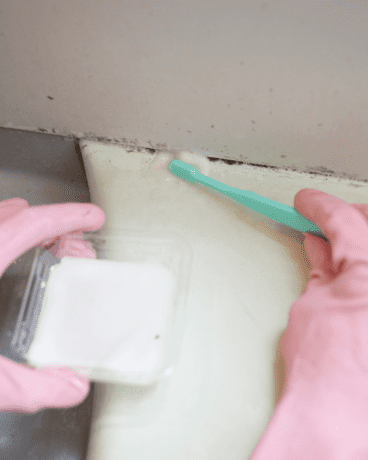
Step 1: Apply baking soda paste along the caulking line.
Step 2: Cover it with plastic wrap to keep moisture in place.
Step 3: Leave overnight.
Step 4: Remove the wrap, scrub gently, and rinse.
If mold stains remain deeply embedded, the caulking may need to be removed and replaced. Replacing old silicone is sometimes the only permanent solution.


Common Mistakes That Make Mold Come Back
Even after learning how to remove black mold from shower tiles and bathtub areas, many people unintentionally cause mold to return.
Common mistakes include:
-
Not drying the shower after each use
-
Leaving wet towels inside the bathroom
-
Ignoring ventilation
-
Cleaning only visible spots
-
Using bleach without scrubbing
Mold returns when moisture control is ignored. Cleaning without prevention only offers temporary results.
How to Prevent Mold in Shower (Simple Weekly Routine)
Prevention is far easier than removal. A simple routine can keep mold from forming again.
After each shower:
-
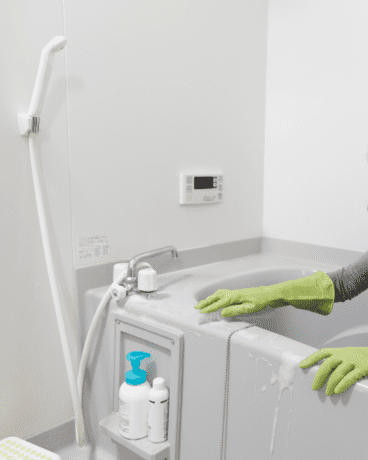
Wipe down tiles and bathtub edges with a dry cloth
-
Leave the shower door or curtain open
-
Turn on the exhaust fan for at least 15 minutes
Once a week:
-
Spray diluted vinegar lightly on grout lines
-
Clean corners and hidden edges
-
Check caulking for dark spots
Reducing humidity and improving airflow are the most effective long-term solutions.
FAQ: Black Mold in Shower and Bathtub
Is black mold in the shower dangerous?
Most household shower mold is not highly toxic, but it can trigger allergies or respiratory irritation. It should always be removed promptly.
Can vinegar kill black mold completely?
Vinegar can kill many types of mold on non-porous surfaces, but deeply embedded mold may require stronger treatment or caulk replacement.
How long does it take to remove black mold?
Light mold can be removed in 20–30 minutes. Deep stains may require overnight treatment or multiple applications.
When should I replace bathtub caulking?
If mold keeps returning despite cleaning, or if the caulk is cracked or peeling, replacement is recommended.
Final Thoughts
Learning how to remove black mold from shower tiles and bathtub surfaces is not just about cleaning — it’s about creating systems that reduce moisture and prevent the problem from returning.
If you often feel like mess keeps coming back no matter how much you clean, the issue may not be effort — it may be structure. In my guide on Daily Clutter Systems: The Hidden Reason Mess Isn’t Laziness (It’s Missing Structure), I explain how small daily systems prevent buildup before it becomes overwhelming.
For deeper cleaning support, you may also find helpful ideas in Best Bathroom Cleaning Products: Simple & Natural Ways to Keep Your Bathroom Fresh and Shiny, especially if you’re building a safer and more natural cleaning routine.
And if you’d like to refresh your entire space after a long week, my step-by-step guide on How to Reset Your Home After a Stressful Week (Simple 60-Minute Plan) shows how to restore order quickly without spending hours cleaning.
For additional health and safety information about household mold and indoor air quality, the Centers for Disease Control and Prevention (CDC) provides guidance on mold prevention and exposure:
The Centers for Disease Control and Prevention
A clean shower isn’t just about appearance — it’s about protecting your home environment and maintaining a space that feels fresh, healthy, and easy to manage long term.
Amazon Affiliate Disclaimer
This post may contain affiliate links. As an Amazon Associate, I earn from qualifying purchases. This means I may receive a small commission — at no extra cost to you — if you choose to purchase through my links. I only recommend products that align with simple, practical, and effective home care.