
Practical Self-Care: Gentle Habits for Calm, Balance, and Mental Clarity
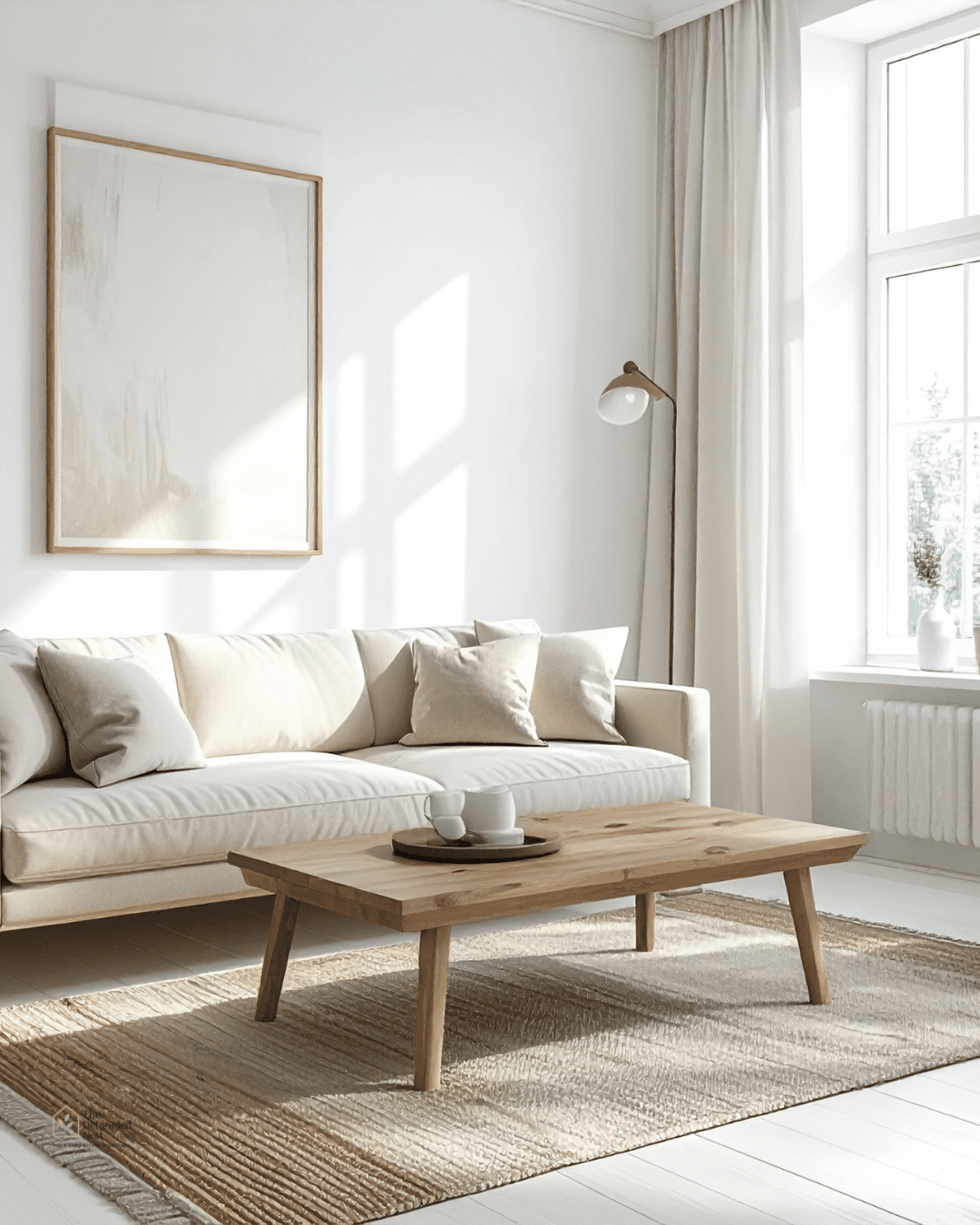
Practical self-care isn’t about spa days, perfect routines, or adding more tasks to an already full life. For most of us, self-care needs to be realistic, grounding, and easy to return to — especially during busy seasons when mental load feels constant.
True practical self-care begins with small, intentional habits that quietly support your nervous system, your energy, and your daily rhythm. Not habits that require motivation or willpower, but ones that fit naturally into real life — even on tired days.
For a long time, I believed self-care meant doing more: more routines, more planning, more effort. But over time, I realized that what I needed wasn’t more — it was less friction. Less mental noise. Fewer decisions. Softer transitions between moments of the day.
That’s where practical self-care changed everything.
This approach focuses on gentle self-care habits that create calm through structure, not pressure. Habits that help you feel balanced without demanding perfection. Habits that bring mental clarity by simplifying both your inner and outer world.
In this guide, we’ll explore what practical self-care truly means, why gentle habits are more sustainable than rigid routines, and how small, intentional changes can help you feel calmer, clearer, and more supported — day by day.
This isn’t about fixing yourself.
It’s about creating systems, rhythms, and pauses that allow you to breathe again.
What Practical Self-Care Really Means (And What It’s Not)
Practical self-care is often misunderstood. It’s not indulgent routines, expensive products, or perfectly planned days. And it’s definitely not another responsibility added to an already overloaded schedule.
At its core, practical self-care is support.
It’s the kind of care that works quietly in the background — reducing friction, calming the nervous system, and making daily life feel more manageable instead of overwhelming. It’s not about escaping your life for an hour; it’s about making your life easier to live.
Many people think self-care should add something:
-
A longer routine
-
More habits
-
More discipline
But in reality, the most effective self-care often comes from removing what drains you.
Practical self-care focuses on:
-
Reducing mental load
-
Simplifying daily decisions
-
Creating gentle structure instead of rigid routines
-
Supporting your energy, not demanding it
This is why practical self-care looks different from traditional advice. It doesn’t ask you to wake up earlier, do more, or “try harder.” Instead, it asks one simple question:
What can feel lighter today?
What Practical Self-Care Is Not
To understand it fully, it helps to clarify what practical self-care isn’t:
-
❌ It’s not perfection
-
❌ It’s not productivity disguised as wellness
-
❌ It’s not doing everything “right”
-
❌ It’s not another checklist to keep up with
If self-care leaves you feeling guilty, behind, or exhausted — it’s not supportive. It’s just another form of pressure.
What Practical Self-Care Is
Practical self-care is built from small, repeatable habits that meet you where you are. Habits that:
-
Fit into real life
-
Work even on low-energy days
-
Create calm through consistency, not intensity
It’s choosing structure over chaos. Gentleness over force. And intention over excess.
When self-care becomes practical, it stops feeling like something you “should” do — and starts feeling like something that quietly carries you through the day.
Why Gentle Habits Are More Effective Than Big Routines
Big routines look impressive on paper, but they rarely survive real life.
They require high energy, perfect timing, and consistent motivation — three things most people don’t have every single day. That’s why so many self-care plans fail. Not because people don’t care, but because the approach asks too much, too fast.
Gentle habits work differently.
Instead of demanding a major lifestyle shift, they fit into the life you already have. They don’t rely on discipline or willpower. They rely on repetition, ease, and support.
This is where practical self-care becomes sustainable.
The Problem With Big Routines
Large routines often:
-
Feel overwhelming before you even start
-
Create guilt when you can’t keep up
-
Get abandoned during stressful seasons
-
Add pressure instead of relief
When self-care becomes another thing to “do right,” it quietly turns into stress.
That’s why people cycle through routines — starting strong, burning out, and starting over again.
Why Gentle Habits Stick
Gentle habits are small enough to feel safe.
They:
-
Require little energy
-
Can be done on low-capacity days
-
Don’t collapse when life gets busy
-
Build trust with yourself over time
Instead of asking, “Can I commit to this forever?”
They ask, “Can I do this today?”
And that question changes everything.
A five-minute reset.
A slower morning start.
Putting one thing back instead of everything.
Pausing before rushing to the next task.
These habits don’t feel dramatic — but they compound.
Gentle Habits Reduce Mental Load
One of the biggest benefits of gentle habits is how they reduce mental clutter.
Big routines often create constant decision-making:
-
When should I do this?
-
Did I skip something?
-
Should I start over tomorrow?
Gentle habits remove those questions. They become automatic. Predictable. Quiet.
This is why they pair so well with simple home systems and daily structure — the mind relaxes when it knows what to expect.
Consistency Beats Intensity
Calm isn’t created in bursts of motivation.
It’s created through consistent, low-pressure support.
Gentle habits don’t try to change who you are.
They support who you already are.
Over time, they create:
-
More emotional stability
-
Less decision fatigue
-
A calmer relationship with daily life
-
A sense of control that doesn’t feel forced
And that’s exactly what practical self-care is meant to do.
The Connection Between Practical Self-Care and Mental Load
Mental load isn’t just about how busy you are.
It’s about how much your mind is holding — decisions, reminders, unfinished tasks, emotional responsibility, and constant internal planning.
For many people, the exhaustion doesn’t come from doing too much.
It comes from thinking too much.
This is where practical self-care becomes essential.
What Mental Load Really Looks Like
Mental load often shows up as:
-
Constantly thinking about what needs to be done next
-
Feeling tired even after resting
-
Difficulty relaxing because your mind won’t slow down
-
Carrying responsibility for everyone else’s needs
-
Feeling overwhelmed without a clear reason
And the hardest part?
Most of this work is invisible.
You don’t see it on a to-do list — but you feel it all day.
Why Traditional Self-Care Doesn’t Reduce Mental Load
Many self-care routines focus on escape instead of support.
They offer:
-
Temporary relief
-
A break from responsibility
-
A moment of calm that disappears once real life returns
But mental load doesn’t disappear because you took a bath or went for a walk.
It softens when the systems and habits around you stop demanding so much attention.
This is why practical self-care works differently.
Practical Self-Care Supports the Nervous System Daily
Practical self-care reduces mental load by:
-
Creating predictability
-
Reducing daily decision-making
-
Supporting routines that run automatically
-
Making daily life feel lighter, not fuller
Instead of asking your brain to constantly “manage,”
gentle habits quietly carry part of the load for you.
For example:
-
Returning items to the same place every day
-
Ending the day with a short reset
-
Having simple routines that don’t require planning
-
Knowing what happens next without thinking about it
These small structures act like mental anchors.
When Mental Load Decreases, Calm Increases
As mental load decreases, people often notice:
-
Improved focus
-
Less irritability
-
Easier transitions between tasks
-
More emotional patience
-
A calmer response to daily stress
Not because life becomes easier —
but because your inner system is no longer overloaded.
This is the heart of practical self-care:
Supporting your mind so it doesn’t have to work so hard just to get through the day.
Self-Care That Carries You, Not the Other Way Around
Practical self-care doesn’t sit on top of your life.
It lives inside it.
It doesn’t ask:
-
“What more can I add?”
It asks:
-
“What can I make easier?”
-
“What can I simplify?”
-
“What can quietly support me every day?”
And that shift changes everything.
Gentle Daily Habits That Support Calm and Balance
You don’t need a long list of routines to feel better.
In fact, too many habits often create more pressure instead of relief.
The most effective changes are usually the quiet ones — habits that blend naturally into daily life without requiring motivation, discipline, or extra energy.
These gentle daily practices work because they support you consistently, not occasionally.
Create One Predictable Anchor in Your Day
A predictable anchor is a small habit that happens at the same time every day, regardless of how busy life feels.
It might be:
-
a slow morning moment before checking your phone
-
a short evening reset
-
a calming transition between tasks
This anchor gives your nervous system something familiar to return to — a sense of rhythm instead of chaos.
Reduce Decisions Before They Appear
Mental fatigue often comes from constant micro-decisions:
What should I do next?
Where does this go?
When will I handle this?
Simple habits remove these questions before they arise.
For example:
-
returning items to the same place every time
-
following the same end-of-day rhythm
-
preparing small things in advance
When decisions disappear, mental clarity increases naturally.
Let Habits Be Supportive, Not Demanding
Gentle habits don’t ask for perfection.
They don’t collapse when you miss a day.
They exist to:
-
soften your routine
-
create ease instead of pressure
-
support balance without control
This is what makes them sustainable — and why they actually last.
Simple Self-Care Systems That Fit Real Life
Self-care fails when it asks you to add more to an already full life.
What actually works are systems — small, repeatable structures that quietly support you without requiring motivation or willpower.
This is where self-care stops being an idea and becomes something you live.
Why Systems Matter More Than Motivation
Motivation is unreliable.
Energy changes daily.
Life gets loud.
Systems work because they remove choice and effort.
When something is built into how your day flows, it no longer depends on how you feel — it simply happens.
This is the same principle behind clutter-free homes:
structure does the work so you don’t have to.
Self-Care Systems That Reduce Mental Load
Instead of adding new habits, focus on supportive structures that already exist in your day.
Examples:
-
a consistent morning start that doesn’t change
-
a gentle evening wind-down signal
-
a simple reset that closes the day
These systems don’t demand time — they protect energy.
Connecting Inner Calm With Everyday Structure
Mental overwhelm often isn’t emotional — it’s logistical.
Too many decisions.
Too many unfinished loops.
Too many things without a clear place.
This is why self-care and home systems are deeply connected.
When your environment reduces friction, your nervous system follows.
This is why practical self-care is deeply connected to daily clutter systems — when your home supports you with simple structure, calm becomes easier to maintain.
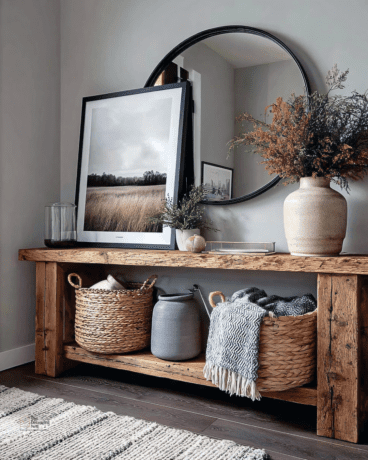
Simple open baskets help reduce visual clutter and mental load by giving everyday items an easy place to land.


Self-Care That Doesn’t Collapse on Busy Days
Realistic self-care:
-
works on tired days
-
survives messy days
-
doesn’t require perfection
If a habit collapses the moment life gets busy, it isn’t supportive — it’s pressure.
The goal isn’t to do more.
It’s to create a structure that holds you when energy is low.
Daily Self-Care Anchors That Calm the Nervous System
Calm doesn’t come from big changes.
It comes from anchors — small moments in the day that signal safety, closure, and rhythm to your nervous system.
When life feels overwhelming, the body looks for predictability. Anchors provide that.
What Is a Self-Care Anchor?
An anchor is not a task.
It’s a signal.
It tells your mind:
-
the day has started
-
this moment is safe
-
the day is ending
Anchors reduce anxiety because they remove uncertainty.
Morning Anchors: Starting Without Rush
A calm day rarely begins with rushing.
A morning anchor might be:
-
opening curtains and letting in natural light
-
a warm drink before screens
-
one intentional breath before the day begins
This isn’t about productivity — it’s about regulation.
When mornings are predictable, the nervous system doesn’t stay on high alert.
Midday Anchors: Interrupting Mental Overload
Mental clutter builds when there’s no pause.
Midday anchors help reset:
-
stepping away from screens for a few minutes
-
clearing one small surface
-
grounding yourself with movement or breath
These moments prevent stress from stacking.
They don’t fix everything — they interrupt overwhelm.
Evening Anchors: Closing the Day Gently
Evenings are where most burnout accumulates.
A soft anchor might be:
-
dimming lights at the same time every night
-
returning a few items to their place
-
mentally releasing unfinished tasks
This signals completion.
The body relaxes when it knows the day is done — even if everything wasn’t.
Why Anchors Work When Habits Fail
Habits ask you to do more.
Anchors ask you to notice.
They:
-
require less effort
-
survive busy days
-
support consistency without pressure
This is why anchors are more sustainable than strict routines.
They meet you where you are.
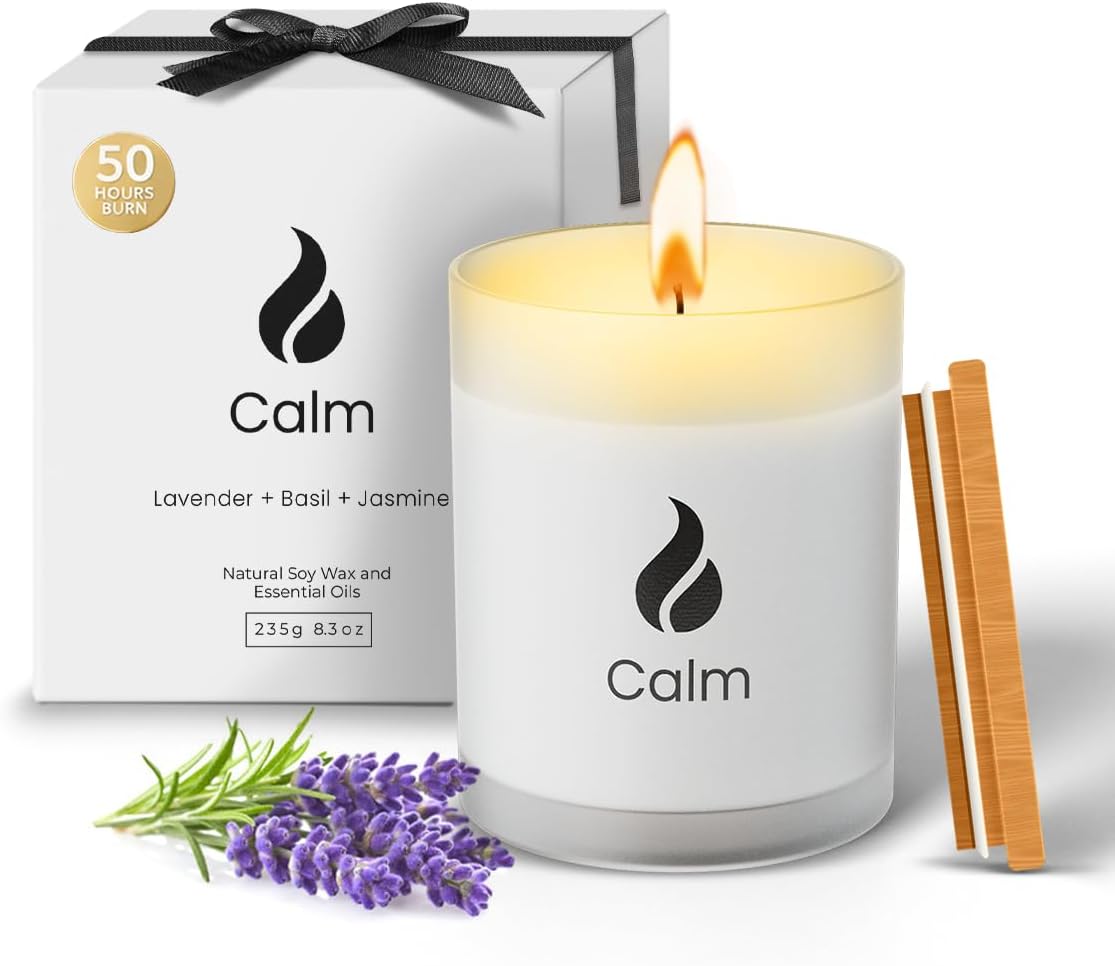
A single calming scent can become an evening anchor that signals your nervous system it’s time to slow down.

How a Calm Home Supports Emotional Self-Care
Self-care is often framed as something personal — something you do for yourself.
But the truth is quieter and more practical:
👉 Your environment either supports your nervous system, or it drains it.
A cluttered home doesn’t just look messy.
It keeps the brain in a low-level state of alert.
Unfinished tasks, visual noise, and constant reminders of “things to deal with” create background stress — even when you’re resting.
This is why emotional self-care cannot fully exist without environmental support.
The Home as a Nervous System Regulator
Your brain is always scanning for signals:
-
Is this space safe?
-
Is there order or chaos?
-
Is anything unfinished?
When your home feels predictable and supportive, your nervous system relaxes.
When it feels reactive, cluttered, or overwhelming, stress stays activated.
This doesn’t mean your home needs to be perfect.
It needs to be supportive.
Why Structure Creates Emotional Relief
Structure reduces emotional load.
When:
-
items have a clear place
-
routines feel intuitive
-
resets are simple
your brain doesn’t need to make constant micro-decisions.
That mental relief is a form of self-care — one that works even on hard days.
This is exactly why practical systems matter more than motivation.
A calm home doesn’t ask you to try harder.
It quietly carries some of the weight for you.
Where This Connects to Daily Clutter Systems
Daily clutter is not a personal failure — it’s a systems issue.
When small messes repeat every day, they slowly erode emotional energy:
-
you feel behind before the day starts
-
rest doesn’t feel restorative
-
calm feels temporary
That’s why emotional self-care becomes sustainable only when the home stops fighting you.
This is where daily clutter systems act as emotional support — not just organization tools.
They:
-
reduce decision fatigue
-
prevent buildup before it happens
-
create predictable closure
And predictability is calming.
Self-Care That Exists Even on Low-Energy Days
The most powerful form of self-care is the kind that works when you’re tired.
A supportive home allows:
-
gentler evenings
-
easier mornings
-
fewer emotional spikes
You don’t need to add more practices.
You need fewer obstacles.
When the environment is aligned, self-care becomes less about effort — and more about relief.
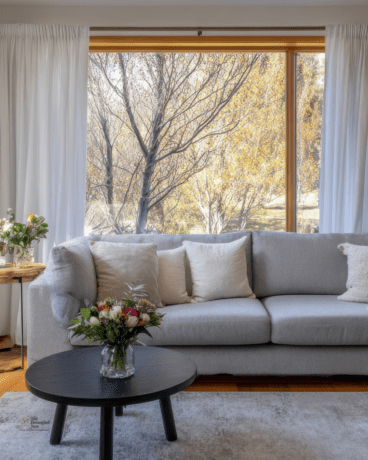
Practical Self-Care Isn’t More Tasks — It’s Less Friction
Most people think self-care fails because they “don’t stick to it.”
In reality, it fails because it adds friction.
More routines.
More expectations.
More things to remember.
That’s not care — that’s pressure.
Practical self-care works differently.
It removes obstacles instead of adding responsibilities.
Why Traditional Self-Care Often Feels Exhausting
When self-care becomes:
-
another checklist
-
another routine to maintain
-
another standard to live up to
it quietly turns into stress.
This is why many people say:
“I know what would help me… I just can’t keep up with it.”
The issue isn’t discipline.
It’s design.
Self-care must fit into real life, not sit on top of it.
Friction Is the Real Enemy of Calm
Friction shows up when:
-
things don’t have a clear place
-
routines require too many steps
-
decisions pile up throughout the day
Each small resistance drains energy.
Practical self-care focuses on reducing these resistance points, especially at home — where most stress quietly accumulates.
When friction is reduced:
-
routines feel lighter
-
decisions happen faster
-
rest feels more restorative
This is how calm becomes sustainable.
Self-Care That Supports You Automatically
The most effective self-care is the kind that:
-
works when you’re tired
-
doesn’t require motivation
-
supports you without asking for attention
That kind of care is often invisible.
Examples:
-
a clear surface that doesn’t demand tidying
-
a predictable evening reset
-
fewer visual reminders of unfinished tasks
These are not habits you perform.
They are supports you live inside.
Why Systems Matter More Than Willpower
Willpower runs out.
Systems don’t.
When your environment supports you:
-
you don’t need to remember as much
-
you don’t need to decide as often
-
you don’t need to “try harder”
This is where practical self-care and home structure meet.
Not through perfection.
Through quiet support.
Reducing paper clutter is one of the fastest ways to lower mental overload.


Daily Systems Are a Form of Self-Care (Not Organization)
Self-care is often treated as something separate from daily life — something you add when you have time.
But in reality, the most effective self-care is built into how your days already function.
This is where daily systems matter.
Not as organization projects.
Not as aesthetic routines.
But as support structures that quietly protect your energy.
Why Daily Systems Reduce Mental Load
Every unfinished task takes up space in the mind.
Every unclear routine creates another decision.
Every cluttered surface asks for attention — even when you ignore it.
Daily systems reduce this background noise.
They answer questions before your brain has to ask them:
-
Where does this go?
-
What happens next?
-
When is this handled?
When these answers are built into your environment, your nervous system relaxes — because it no longer has to stay alert.
That relief is self-care.
Self-Care That Happens Without Thinking
The most supportive systems don’t feel like effort.
They work quietly, in the background.
Examples:
-
an entryway that naturally catches clutter
-
a short evening reset that closes the day mentally
-
a consistent place for daily essentials
These systems don’t require motivation.
They don’t depend on mood.
They function even on low-energy days.
That’s what makes them practical — and sustainable.
Why Calm Comes From Repetition, Not Intensity
Self-care doesn’t need to be intense to be effective.
It needs to be reliable.
A gentle system repeated daily does more for mental clarity than a perfect routine done once a week.
This is why practical self-care focuses on:
-
fewer steps
-
clearer rhythms
-
smaller, repeatable actions
Not because “small is better” — but because small is possible.
When Systems Replace Self-Control
Many people believe they need more discipline to feel calm.
In reality, they need less self-control.
When systems are in place:
-
you don’t need to remind yourself
-
you don’t need to force consistency
-
you don’t need to “stay on track”
The environment does the work.
This shift is subtle — but powerful.
It turns self-care from something you manage into something you live inside.
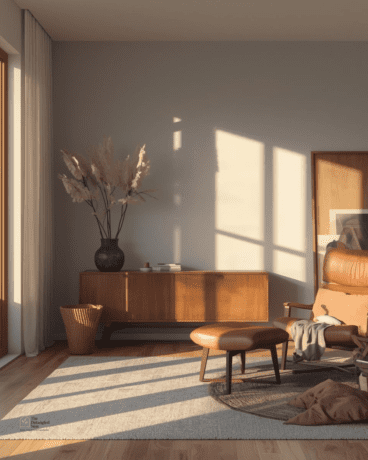
Final Thoughts: Practical Self-Care That Supports Real Life
Practical self-care isn’t about doing more, fixing yourself, or adding another responsibility to your day. It’s about creating small, supportive habits that make life feel lighter instead of heavier. When self-care is gentle and realistic, it stops being something you chase and becomes something you live with—quietly, daily, and without pressure.
True calm doesn’t come from perfection or rigid routines. It comes from consistency, awareness, and choosing systems that work with your energy instead of against it. When your mind feels supported, your home follows. When your routines feel manageable, balance stops feeling out of reach.
If life has felt overwhelming lately, let this be your reminder: you don’t need a full reset to feel better. One small habit, practiced with intention, is enough to begin shifting how your days feel. Over time, those small choices compound—creating clarity, steadiness, and a sense of ease that lasts.
Self-care isn’t a destination. It’s a way of moving through life more kindly. And when it’s built around real needs and real rhythms, it becomes sustainable—season after season.
You’re not behind. You’re building something that lasts.
If you’d like to continue building a calmer, more supported daily rhythm, you might also enjoy Stay Healthy Lifestyle: Simple Daily Habits That Help You Feel Lighter, Stronger, and Naturally Balanced, where everyday wellness is approached in a realistic, sustainable way that fits real life. For a more nurturing perspective, Mindful Self Care for Moms: Simple Yet Powerful Rituals to Feel Calm and Reconnected offers gentle practices designed specifically for busy seasons of motherhood.
For a deeper understanding of how small, intentional habits impact mental well-being, Mindful.org’s research on mindfulness and daily routines provides valuable insight into why consistency—not perfection—is what truly supports long-term calm and balance.
Affiliate Disclaimer
This post may contain affiliate links. This means that if you click on a link and make a purchase, I may earn a small commission at no additional cost to you. I only recommend products and resources that genuinely support a calm, practical, and intentional home and lifestyle. Thank you for supporting The Detangled Nest — it allows me to continue creating thoughtful, free content for you.


2 Comments