
Minimalist Home Decor Ideas: 21 Simple Ways to Create a Calm & Timeless Home
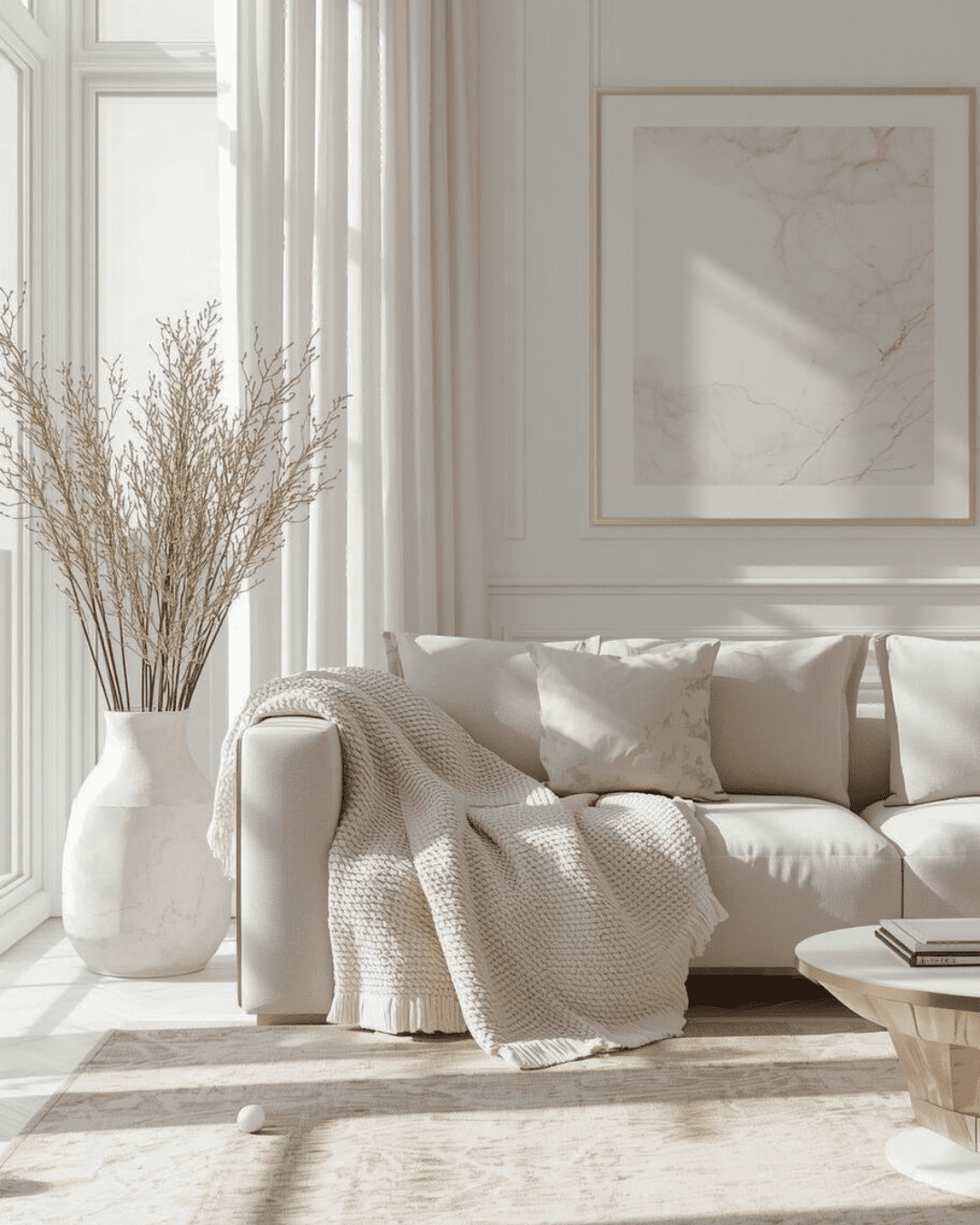
A calm home doesn’t happen by accident. It’s created — intentionally, gently, and with clarity.
The most beautiful spaces aren’t the ones filled with the most decor. They’re the ones that feel balanced, breathable, and thoughtfully styled. That’s the quiet power behind truly effective minimalist home decor ideas.
Minimalism isn’t about living with less for the sake of aesthetics. It’s about removing visual noise so your home feels lighter — mentally and physically. When every piece has a purpose, when colors feel cohesive instead of chaotic, and when surfaces are clear instead of crowded, something shifts. The room begins to breathe.
If your space feels overwhelming even when it’s tidy, the issue may not be clutter — it may be overstimulation. The right minimalist home decor ideas don’t strip personality away. They refine it. They replace excess with intention, chaos with calm, and trend-driven styling with timeless design.
In this guide, you’ll discover carefully curated minimalist home decor ideas that work in real homes — not just staged photos. Ideas that feel warm, livable, and elegant. Room-by-room shifts that create a space you can truly relax in.
Let’s begin with what minimalism actually means — and what it doesn’t.
What Is Minimalist Home Decor (And What It’s Not)
Minimalist home decor is often misunderstood.
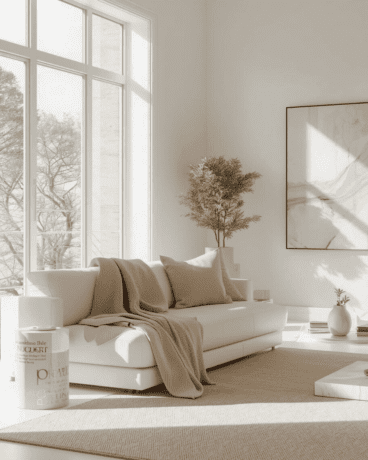
Many people imagine stark white walls, empty rooms, and a space that feels more like a showroom than a home. But true minimalism isn’t about cold emptiness — it’s about thoughtful restraint.
At its core, minimalist home decor is built on three principles:
Clarity. Intentionality. Balance.
Clarity means removing visual distractions so your eyes — and your mind — can rest.
Intentionality means every object serves a purpose, whether functional or emotional.
Balance means the room feels harmonious, not crowded or chaotic.
Minimalism is not about owning the fewest items possible.
It’s about curating your space so it supports calm rather than overstimulation.
What Minimalist Decor Is NOT:
-
It’s not sterile.
-
It’s not personality-free.
-
It’s not trend-chasing.
-
It’s not expensive by default.
What Minimalist Decor IS:
-
Neutral but layered.
-
Simple but warm.
-
Clean but lived-in.
-
Elegant without trying too hard.
When done well, minimalist home decor ideas create a sense of quiet luxury — not because everything is costly, but because everything feels intentional.
And the beauty of it?
You don’t need to renovate your home to achieve it. Small, focused shifts can completely transform how a room feels.
Now let’s move into the practical part — the minimalist home decor ideas that actually work in real homes.
21 Minimalist Home Decor Ideas That Actually Work
We’ll break this down room by room so it feels practical and achievable — not overwhelming.
LIVING ROOM
1. Start With a Soft, Neutral Foundation
The base of minimalist home decor always begins with color.
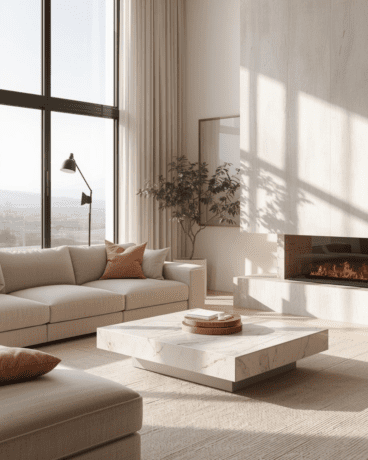
Warm whites, soft beige, muted taupe, light greige — these tones reflect light and create visual openness. Instead of using bold contrast, keep your palette cohesive and layered within the same family.
Neutral doesn’t mean boring. It means calm.
2. Choose Low-Profile, Clean-Lined Furniture
Bulky furniture overwhelms a space quickly.
Look for sofas and chairs with:
-
Straight lines
-
Slim arms
-
Visible legs
-
Light upholstery
Minimalist furniture feels grounded, not heavy.
3. Let One Statement Piece Stand Out
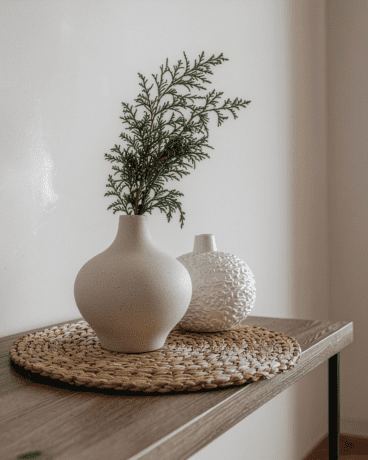
Instead of styling five decorative objects on a console table, choose one meaningful focal point:
-
A large abstract artwork
-
A sculptural floor lamp
-
A textured ceramic vase
Minimalist home decor ideas rely on restraint. One strong element always feels more elevated than many small ones competing for attention.
4. Embrace Negative Space
Empty space is powerful.
Not every wall needs art.
Not every shelf needs decor.
Not every corner needs a plant.
Negative space allows the room to breathe and makes the pieces you do keep feel more intentional.
BEDROOM
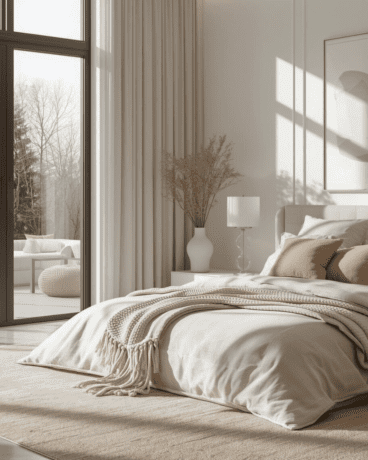
5. Keep Bedding Soft and Layered
Minimalist bedrooms feel calm because they avoid pattern overload.
Stick to:
-
Linen or cotton bedding
-
Neutral tones
-
Subtle texture variation
Layer depth through texture — not color chaos.
6. Limit Nightstand Styling
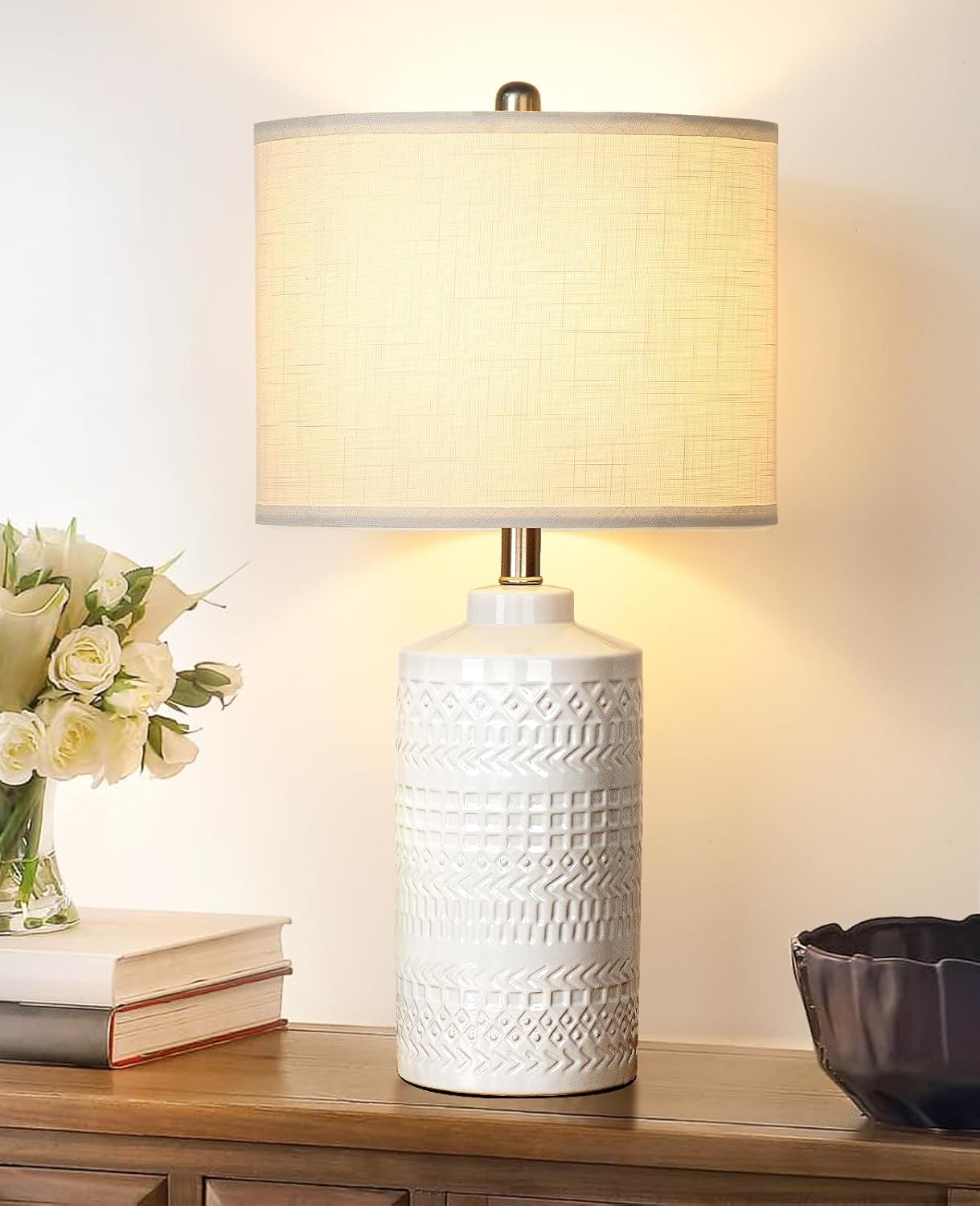
A lamp.
A book.
Perhaps one small decorative object.
That’s enough.
Crowded nightstands instantly break the minimalist effect.
7. Use Warm, Ambient Lighting
Lighting changes everything.
Replace harsh white bulbs with warm-toned light. Add:
-
Bedside lamps
-
Soft wall sconces
-
Indirect lighting
Warm light keeps minimalist spaces from feeling cold.
KITCHEN
8. Clear the Countertops
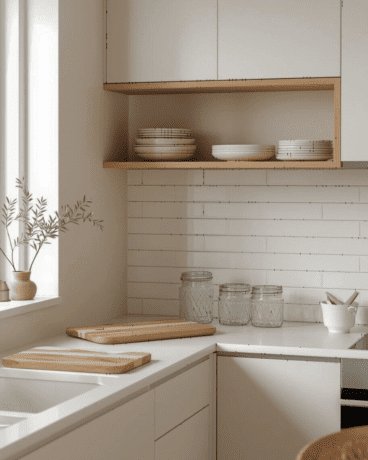
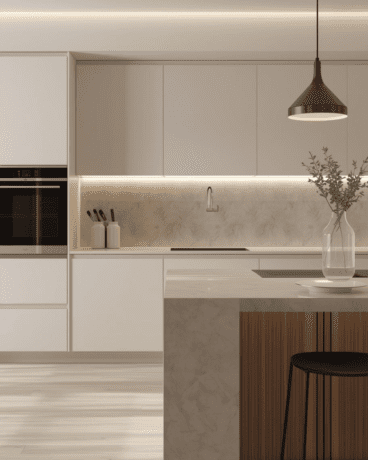
Minimalist kitchens feel calm because surfaces stay clear.
Only keep daily essentials visible. Everything else should have a home.
9. Use Uniform Storage Containers
Matching glass jars or neutral containers instantly reduce visual clutter.
10. Hide Small Appliances
Toasters, mixers, blenders — store them away unless used daily.
Clear counters = clear mind.
BATHROOM
11. Replace Plastic Bottles With Refillable Dispensers
This small change instantly elevates the space and aligns perfectly with minimalist home decor ideas.
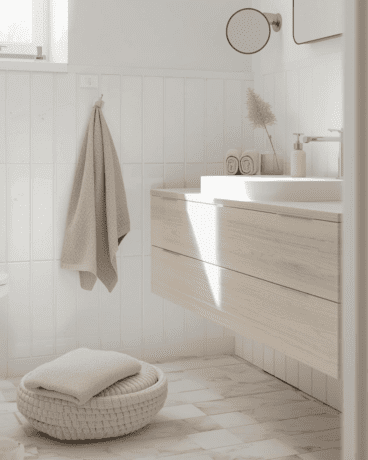
12. Stick to One Towel Color
Cream, sand, soft grey — uniform textiles create calm.
13. Keep Surfaces Bare
A sink should not look like a display shelf.
Clear vanity = luxury hotel energy.
WHOLE HOME PRINCIPLES
14. Choose Fewer, Better Pieces
Quality over quantity. Always.
15. Stick to 3–4 Core Colors
Too many tones create subconscious tension.
16. Use Natural Materials
Wood, linen, stone, cotton — these add warmth without clutter.
17. Keep Floors Visible
Heavy furniture and too many rugs visually shrink a space.
18. Scale Artwork Properly
Too small art pieces create noise.
Go bigger, fewer.
19. Edit Seasonal Decor
Rotate instead of accumulate.
20. Protect Visual Lines
Keep sightlines clear from one end of the room to the other.
21. Create Breathing Room in Every Space
Before adding something, ask:
Does this add calm or add noise?
Minimalism is not about emptiness.
It’s about space that feels intentional.
If you love creating peaceful spaces for your little ones, you might also enjoy my guide on Simple Ways to Refresh a Toddler Room on a Budget, where I share practical ideas to keep children’s rooms calm, organized, and easy to maintain.
Nëse do një version më “cluster-focused” dhe më i fortë për SEO, ta bëjmë edhe më specifik me anchor më strategjik.
Common Minimalist Decorating Mistakes to Avoid
Even the best minimalist home decor ideas can fall flat when applied without balance.
Here are the most common mistakes that make minimalist spaces feel cold, unfinished, or uncomfortable.
❌ 1. Going Too White
White is beautiful — but too much bright white without texture can make a space feel sterile.
Balance white walls with:
-
Warm wood
-
Soft textiles
-
Layered neutrals
-
Subtle tonal variation
Minimalism should feel calm — not clinical.
❌ 2. Removing Personality Completely
Minimalism is not about erasing identity.
Family photos, meaningful objects, travel pieces — these can still exist. The key is to display fewer of them, not eliminate them.
❌ 3. Over-Styling Surfaces
Minimalist doesn’t mean:
-
Five candles
-
Three stacked books
-
Two vases
-
A decorative tray
That’s styled clutter.
True minimalist home decor ideas prioritize breathing space.
❌ 4. Ignoring Comfort
If a room looks beautiful but doesn’t feel inviting, it’s not successful minimalism.
Soft fabrics, warm lighting, and layered textures are non-negotiable.
How to Make Minimalist Home Decor Feel Warm (Not Cold)
This is where many people struggle.
Minimalism becomes luxurious when warmth is layered intentionally.
Here’s how to soften your space without adding clutter:
✔ Layer Different Textures
Linen + cotton + wood + woven materials create visual interest without chaos.
✔ Use Warm-Toned Lighting
Avoid harsh white bulbs.
Opt for soft warm light (2700K–3000K range).
Lighting alone can transform a minimalist room from cold to cozy.
✔ Add Natural Elements
Greenery, wooden bowls, stone decor, woven baskets — nature makes minimalism feel grounded.
✔ Keep a Balanced Color Palette
Stick to 3–4 core tones and repeat them throughout the room. Consistency creates calm.
Frequently Asked Questions About Minimalist Home Decor Ideas
What colors work best in minimalist home decor?
Neutral tones such as warm white, beige, taupe, greige, and soft gray work best. The goal is visual harmony rather than contrast overload.
Can minimalist decor work in small homes?
Yes — and often even better. Minimalist home decor ideas reduce visual clutter, making small spaces feel larger and lighter.
How do I start if my home feels cluttered?
Begin with one small area — a coffee table, a shelf, or a countertop. Remove everything, then reintroduce only what adds purpose or calm.
Is minimalist decor expensive?
Not necessarily. Minimalism focuses on editing and intentional styling, not constant buying. Often, it involves removing more than adding.
Final Thoughts
A minimalist bedroom isn’t about emptiness — it’s about clarity. When your space feels calm and intentional, it supports better sleep, clearer thinking, and a slower rhythm at the end of the day.
If you’re designing your home room by room, you may also enjoy 10 Minimalist Fall Decorating Ideas for a Calm & Cozy Home, especially if you love warm neutrals and soft seasonal touches.
For practical systems that keep your home feeling light every day, explore 10 Minimalist Kitchen Habits That Keep Your Home Clean Every Day — small daily habits truly change the atmosphere of a space.
And if you’re refining your bedroom style even further, take a look at Minimalist Chic Bedroom Ideas: Create a Classy and Calm Retreat for more inspiration.
For additional expert-backed design principles, you can explore minimalist bedroom styling ideas from Architectural Digest here: architecturaldigest
Creating a calm home doesn’t happen overnight — but with intentional choices, it becomes effortless.
✨ Minimalist Home Decor Essentials I Love



Set of 3 Canvas Modern Prints Paintings, Minimalist Landscape Beige Gray Picture
Shop on AmazonAmazon Affiliate Disclosure
This post may contain affiliate links. As an Amazon Associate, I earn from qualifying purchases. This means I may receive a small commission — at no additional cost to you — if you choose to buy through my links. I only recommend products I genuinely love and believe add value to a calm and intentional home.
Thank you for supporting The Detangled Nest.


2 Comments