Creating a Toy Rotation System: Less Clutter, More Imagination
If you’ve ever looked around your child’s play area and felt instantly overwhelmed, you’re not alone. Toys everywhere. Shelves overflowing. And yet—despite having so many options—your child still says, “I’m bored.” It’s frustrating, exhausting, and confusing, especially when you’re doing your best to create a happy, stimulating environment.
Many parents assume that more toys mean more creativity. But in reality, too many choices often lead to overstimulation, shorter attention spans, and less meaningful play. At the same time, the constant mess adds to your mental load, making your home feel chaotic instead of calm.
This is where a toy rotation system can gently change everything.
Rather than offering every toy at once, a toy rotation system focuses on fewer, intentional play options at a time. Toys are organized into groups, with only a small selection available while the rest are stored out of sight and rotated regularly. The result is a calmer play space, deeper engagement, and children who rediscover joy and imagination in the toys they already own.
A toy rotation system isn’t about strict rules or perfection. It’s a mindful, flexible approach that supports your child’s creativity while helping you maintain a more peaceful, organized home. And once you experience the shift—from chaos to calm—you’ll wonder why you didn’t try it sooner.
Let’s explore how this simple system can transform both your space and your child’s play.
Why Too Many Toys Overwhelm Children (And Parents)
It may seem counterintuitive, but having too many toys can actually make play harder for children. When everything is available at once, young minds are forced to constantly choose, switch, and re-evaluate. Instead of settling into deep, imaginative play, children often jump from toy to toy, feeling restless and disengaged.
This overstimulation can show up as boredom, frustration, or short attention spans—even in children who are naturally curious. The toys aren’t the problem; the overload is.
For parents, the impact is just as real. A crowded play space creates constant visual noise, making it harder to relax at home. The mess feels never-ending, cleanups are exhausting, and the mental load quietly grows. You may find yourself tidying the same toys over and over, only to feel like nothing ever truly resets.
This is where a toy rotation system offers relief for both child and parent. By reducing the number of toys available at one time, children feel calmer and more focused, while parents enjoy a lighter, more manageable space. Less choice creates more clarity—and with it, more meaningful play and a more peaceful home.
What Is a Toy Rotation System? (A Simple Explanation)
At its core, a toy rotation system is a gentle way of organizing toys so children can play with fewer options at a time—without losing variety or fun. Instead of having every toy out and available, you divide toys into small groups and offer only one group for play. The remaining toys are stored out of sight and brought back into rotation after a set period.
This simple shift changes how children interact with their toys. With fewer choices, they’re more likely to slow down, explore deeply, and use their imagination. A toy that once felt boring suddenly feels new again—not because it changed, but because the environment did.
For parents, a toy rotation system creates order without rigidity. There’s less mess to manage, fewer toys underfoot, and a play space that feels calmer and more intentional. Best of all, this system is flexible. You can adjust it based on your child’s age, interests, and daily rhythm.
It’s not about controlling play—it’s about creating the right conditions for play to truly flourish.

Toy Storage Baskets
Basket for Kids, Blanket Baskets for Living Room Toys Organizer with Embroidery Decor
Buy on Amazon
Clear Storage Bins with Lids
Storage Boxes for Storage and Organization, Plastic Storage Containers with Lids.
Buy on Amazon
How a Toy Rotation System Boosts Imagination and Focus
When children are surrounded by too many toys, play often becomes scattered. They move quickly from one item to another, rarely settling into deeper, more meaningful play. Fewer options, on the other hand, invite children to slow down. They begin to explore, combine ideas, and use their imagination in richer ways.
This is one of the most powerful benefits of a toy rotation system. By limiting what’s available, you give your child the space to focus. A simple set of blocks becomes a castle, a road, or a story. Pretend play deepens, problem-solving skills grow, and attention spans naturally improve—without forcing structure or rules.
The same toys suddenly feel more engaging because they’re no longer competing for attention. Children feel less overwhelmed and more confident navigating their play environment.
A toy rotation system also encourages independent play. With a clear, uncluttered setup, children know what’s available and feel empowered to explore on their own. Over time, this builds creativity, patience, and a genuine love for play—qualities that last far beyond the playroom.

SpaceAid Toy Storage Organizer
Shelves and 12 Bins, Bookshelf/Bookcase, Kids Bin Shelf, Toys Box for Playroom Organization.
Buy on Amazon
Kids Bookshelf and Toy Organizer
Book Shelf Rooms, Bedroom, Playroom, Nursery, Toy Storage Organizer with Bookshelf.
Buy on Amazon
How to Set Up a Toy Rotation System (Step-by-Step)
Setting up a toy rotation system doesn’t need to be complicated or time-consuming. The goal isn’t perfection, but creating a play environment that feels calm, intentional, and easy to maintain. Start by gathering all of your child’s toys in one place. This step alone often brings clarity—you finally see what’s there, what’s broken, and what no longer serves your child.
Next, sort the toys into small, balanced groups. Aim for variety in each group: something for building, something for pretend play, something for fine motor skills. Keep only one group accessible and store the rest out of sight. When toys aren’t constantly visible, both children and parents experience less overwhelm.
Choose storage that works with your home, not against it. Baskets, bins, or drawers that are easy to access make the system sustainable. Decide on a rotation rhythm that feels natural—weekly or biweekly works well for many families.
A toy rotation system should adapt as your child grows. Observe how your child plays, adjust when needed, and remember that flexibility is what makes this approach truly successful.
Toy Rotation by Age: What Works Best at Each Stage
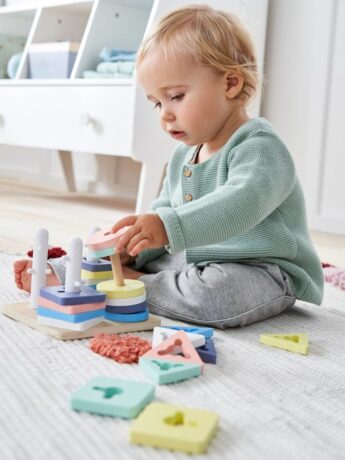
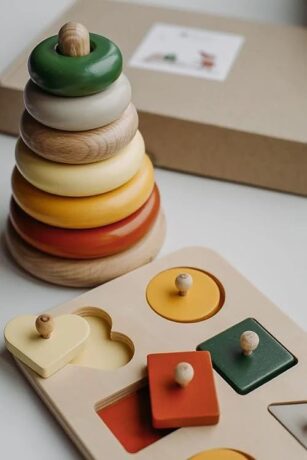
Every child plays differently depending on their age, and a rotation approach should gently reflect that. For toddlers, simplicity is key. Fewer toys with open-ended possibilities—like stacking cups, wooden blocks, or simple puzzles—encourage exploration without overwhelm. At this stage, a toy rotation system works best when rotations are slower and toys stay out longer, allowing repetition and mastery.
Preschoolers often benefit from a bit more variety. Pretend play sets, art materials, and building toys can be rotated to support imagination and storytelling. Weekly or biweekly rotations usually work well here, keeping interest high while maintaining a calm environment.
For older children, the system becomes more collaborative. They can help choose which toys stay out and which are stored, learning decision-making and responsibility along the way. A toy rotation system at this age supports independence and helps children understand that having fewer things available can actually lead to deeper focus and more meaningful play.
No matter the age, the goal remains the same: create a play space that feels supportive, not overwhelming.

Stuffed Animal Storage
2-in-1 Wooden Toy Organizer and Display Shelf Space Saving for Playroom, Bedroom, Nursery.
Buy on Amazon
Stuffed Animal Storage
Wood Stuffed Animal Zoo with Wheels & Net, Toy Storage Organizer with Elastic Band.
Buy on Amazon
Common Toy Rotation Mistakes (And How to Avoid Them)
While a toy rotation approach is simple, a few common mistakes can make it feel frustrating instead of helpful. One of the biggest is rotating toys too often. When toys change every few days, children don’t have enough time to fully explore them. A toy rotation system works best when it allows space for repetition, mastery, and deeper engagement.
Another common issue is putting too many toys out at once. The goal isn’t variety—it’s clarity. If each rotation still feels crowded, the benefits are lost. Fewer toys encourage longer attention spans and more creative play.
Some parents also make the mistake of hiding favorite toys for too long. While rotation adds novelty, completely removing a deeply loved item can lead to resistance. It’s okay to let certain toys stay out longer if they support meaningful play.
Lastly, expecting perfection can undermine the entire process. A toy rotation system should reduce pressure, not add to it. Flexibility is key. Adjust as needed, follow your child’s cues, and remember that the system exists to support your family—not control it.
Real-Life Example: Before and After Toy Rotation
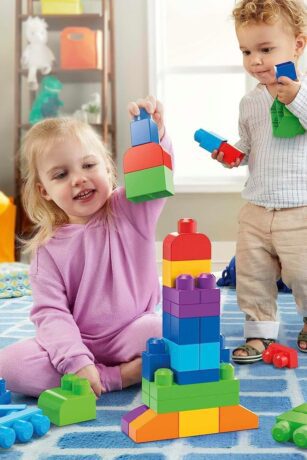
Before starting a rotation, the play area felt constantly chaotic. Toys were everywhere—on shelves, under furniture, mixed together in bins. Even after tidying up, the space quickly returned to disorder. The child moved from toy to toy, rarely settling into play for more than a few minutes, often asking for something new despite having so many options.
After introducing a toy rotation system, the shift was noticeable within days. Only a small selection of toys was left out: a building set, a few pretend-play items, and a simple puzzle. The rest were stored away. Suddenly, play slowed down. The same toys were used in new ways, stories lasted longer, and cleanup became easier and less stressful.
Two weeks later, when the toys were rotated, excitement returned—but without the overwhelm. Familiar toys felt fresh again, and the play space stayed calmer overall. With a toy rotation system, the home didn’t just look more organized—it felt lighter. Less visual clutter, fewer interruptions, and more meaningful play created a rhythm that worked for both child and parent.
Benefits Beyond the Playroom
The impact of a well-designed play space reaches far beyond toys and shelves. When clutter is reduced and choices are intentional, the entire home begins to feel calmer. Parents often notice less stress, fewer power struggles around cleanup, and a lighter mental load throughout the day.
A toy rotation system also supports mindful parenting. Instead of constantly managing mess, you become more aware of what your child truly enjoys and how they play best. This awareness makes it easier to respond to your child’s needs rather than reacting to chaos.
Children benefit emotionally as well. A calmer environment helps them regulate their energy, transition more easily between activities, and develop confidence in independent play. When toys are easy to see and access, children feel capable and in control of their space.
Over time, a toy rotation system encourages respect for belongings, patience, and creativity. It teaches children that having fewer things available can actually lead to richer experiences. The result is not just a tidier playroom, but a home that feels more peaceful, balanced, and supportive for the whole family.
Recommended Products for a Toy Rotation System
Creating a successful toy rotation system isn’t about buying more toys—it’s about choosing the right tools to support calm, order, and easy access. The goal is to make the system simple enough that it works in real life, even on busy days.
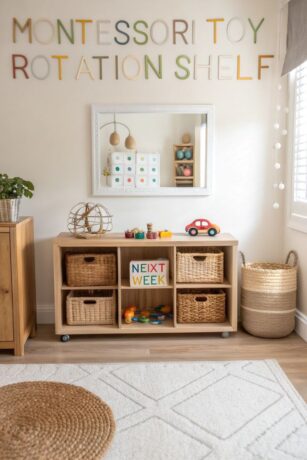
Start with decorative storage baskets or bins. Neutral, soft-sided baskets are ideal for storing rotated toys out of sight while still keeping them easy to access. They reduce visual clutter and blend naturally into your home instead of making it feel like a playroom took over the space.
Low, open shelves are another helpful addition. When toys are displayed at your child’s eye level, they can independently choose what to play with and learn to put items back without constant guidance. This supports both autonomy and responsibility.
For toys that aren’t currently in rotation, labeled storage bins or under-bed containers work beautifully. Clear or neutral bins help you stay organized and make rotations quick and stress-free.
A toy rotation system works best when storage feels calm and intentional—not bulky or overwhelming. Choosing practical, aesthetically pleasing organizers helps the system feel like a natural part of your home, rather than an extra chore to manage.
Final Thoughts: Less Chaos, More Meaningful Play
Creating a calm home doesn’t mean doing more—it means choosing what truly supports your family. A play space shaped with intention can quietly change the rhythm of your entire day. When toys are simplified and thoughtfully offered, children don’t lose joy—they gain focus, creativity, and confidence in their play.
A toy rotation system is not about control or strict rules. It’s about making space for deeper imagination, easier transitions, and a home that feels lighter for everyone living in it. Small shifts—like fewer toys out at once or a simple rotation schedule—can reduce overwhelm and create a sense of order that feels natural, not forced.
This approach often works beautifully alongside other simple organization strategies. If you’re looking for more inspiration, you may enjoy exploring these kids room organization ideas, which focus on creating calm, functional spaces that support everyday family life.
👉 Kids Room Organization Ideas
Research also supports this mindful approach to play. According to the American Academy of Pediatrics, simplifying play environments and rotating toys can improve focus, creativity, and engagement in children.
👉 Healthy Active Living for Families
Remember, there is no perfect system—only what works for your family right now. A toy rotation system is simply a gentle tool to help transform chaos into calm and clutter into curiosity. Start small, stay flexible, and trust that meaningful play grows best when there is space to breathe.
Affiliate Disclaimer
This post may contain affiliate links. This means that if you choose to make a purchase through these links, I may earn a small commission—at no extra cost to you. I only recommend products that I genuinely believe support a calm, intentional home and add value to family life. Thank you for supporting The Detangled Nest and helping me continue to create thoughtful, free content.