
Why Tidying Never Lasts (And What Actually Makes It Stick)
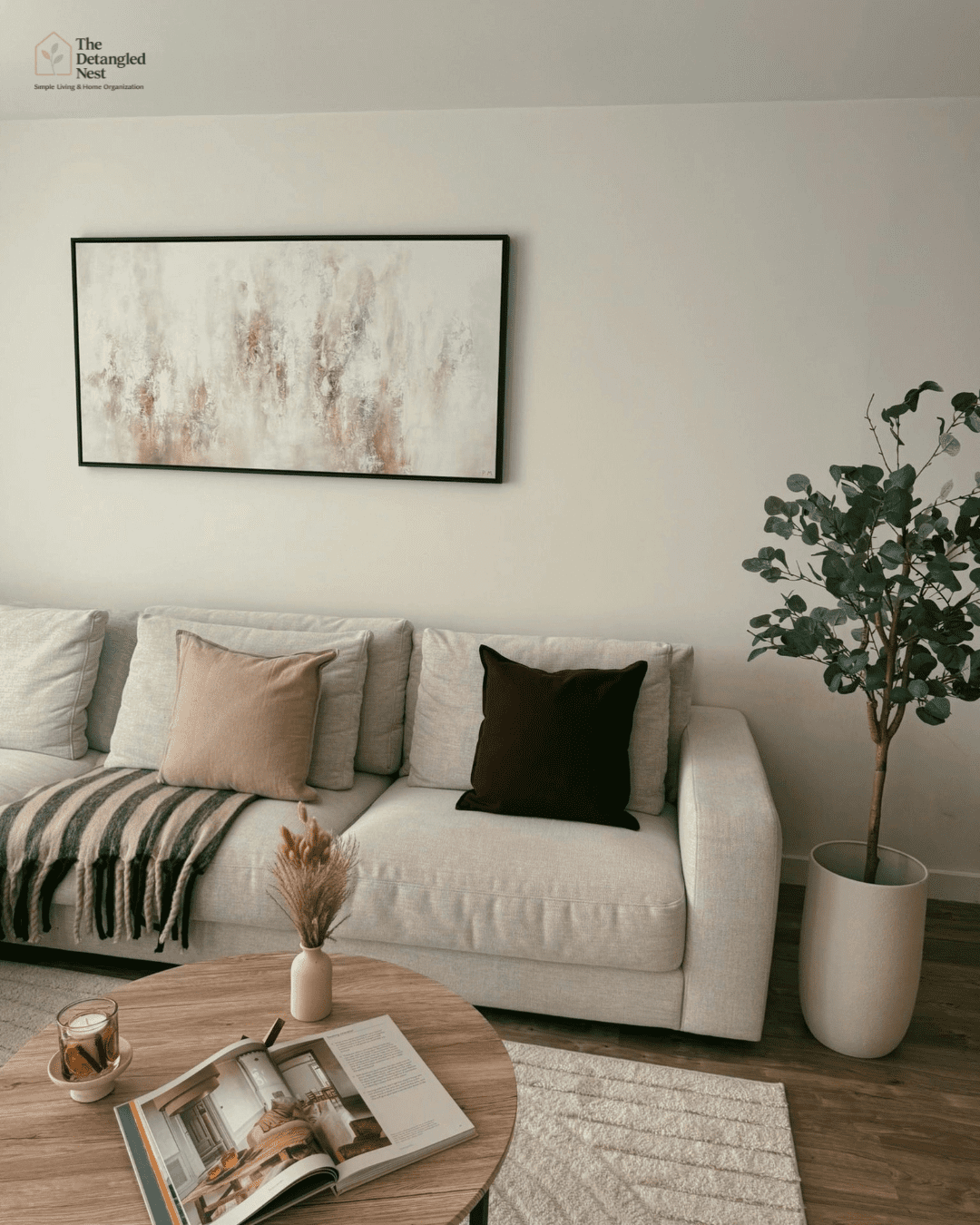
No matter how often I tidy, clean, or reset my home, the same mess seems to come back. Floors get cleared, surfaces look calm, and for a brief moment everything feels under control — until real life happens again. Bags get dropped by the door, papers land on the counter, and clutter quietly returns, leaving me wondering why tidying never lasts, no matter how hard I try.
For a long time, I believed the problem was me. I thought I wasn’t disciplined enough, consistent enough, or doing it “right.” I tried cleaning more often, creating better routines, and staying on top of things — yet the more effort I put in, the faster the mess seemed to reappear. That’s when I realized something important: tidying doesn’t fail because we don’t try hard enough. It fails because it relies on effort instead of structure.
When a home depends on motivation, memory, and constant resets, order can never truly stick. Even highly organized people end up stuck in the same exhausting loop: tidy, reset, repeat. And over time, that cycle drains energy instead of creating calm.
In this article, we’ll explore why tidying never lasts, what actually causes clutter to keep coming back, and — most importantly — what truly makes order stick without more cleaning, more pressure, or more routines. The solution isn’t doing more. It’s a simple shift that changes how your home works with you, not against you.
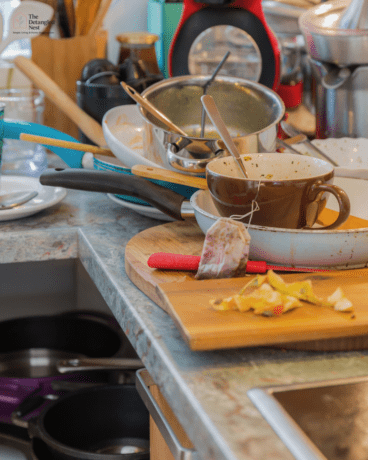
Why Tidying Never Lasts — The Real Reason Clutter Comes Back
Tidying never lasts because it asks too much from you — and almost nothing from your home.
Every time you tidy, you’re using energy, focus, and willpower to temporarily reset a space. You clear surfaces, put things away, and create order through effort. But once that effort fades — and it always does — the home quietly returns to its default state.
That’s the part most people miss when they wonder why tidying never lasts.
A home without structure will always fall back into chaos, no matter how often you clean it.
I used to think that if I just stayed more consistent, the mess would eventually stop coming back. But consistency only works when the system underneath supports it. Without clear systems, tidying becomes a loop — not a solution.
Here’s what actually happens in most homes:
-
Items don’t have a clear, obvious place
-
Rooms serve too many purposes at once
-
Daily habits rely on memory instead of structure
So every day, your brain has to decide again:
Where does this go?
What do I do with this later?
Why does this keep ending up here?
Those tiny decisions pile up — and that’s when clutter reappears, even in homes that are regularly cleaned.
Tidying never lasts because it treats the symptom (the mess), not the cause (missing structure).
If you’re craving a calmer atmosphere at home, read Mindful Living at Home: Simple Ways to Create Joy, Clarity, and Calm for simple inspiration.


The Tidy–Reset Cycle That Keeps You Stuck
One of the biggest reasons tidying never lasts is the cycle most homes are trapped in — even if everything looks “fine” on the surface.
It usually goes like this:
You tidy when the mess becomes unbearable.
You reset the space.
You feel relief — briefly.
Then life continues… and clutter quietly returns.
This cycle isn’t a failure of discipline. It’s a design problem.
When tidying is the only thing holding your home together, it becomes reactive instead of supportive. You’re always responding to mess instead of preventing it. And over time, that constant resetting creates exhaustion — not calm.
I remember feeling like my home was always “almost” under control. Clean enough to function, but never easy to maintain. No matter how often I tidied, the same areas filled up again: counters, chairs, entryways, random corners. It felt personal — like I was doing something wrong.
But the truth is simpler.
Tidying never lasts because it depends on motivation.
And motivation is unreliable.
A home that relies on effort will collapse the moment energy drops, routines change, or life gets busy. That’s why the mess always comes back — not because you stopped caring, but because the system underneath never changed.
Until that cycle is broken, tidying will always feel temporary.
If your home never seems to stay under control, read Why Your Home Feels Hard to Maintain (Even When You Try Your Best) for gentle, practical insight.
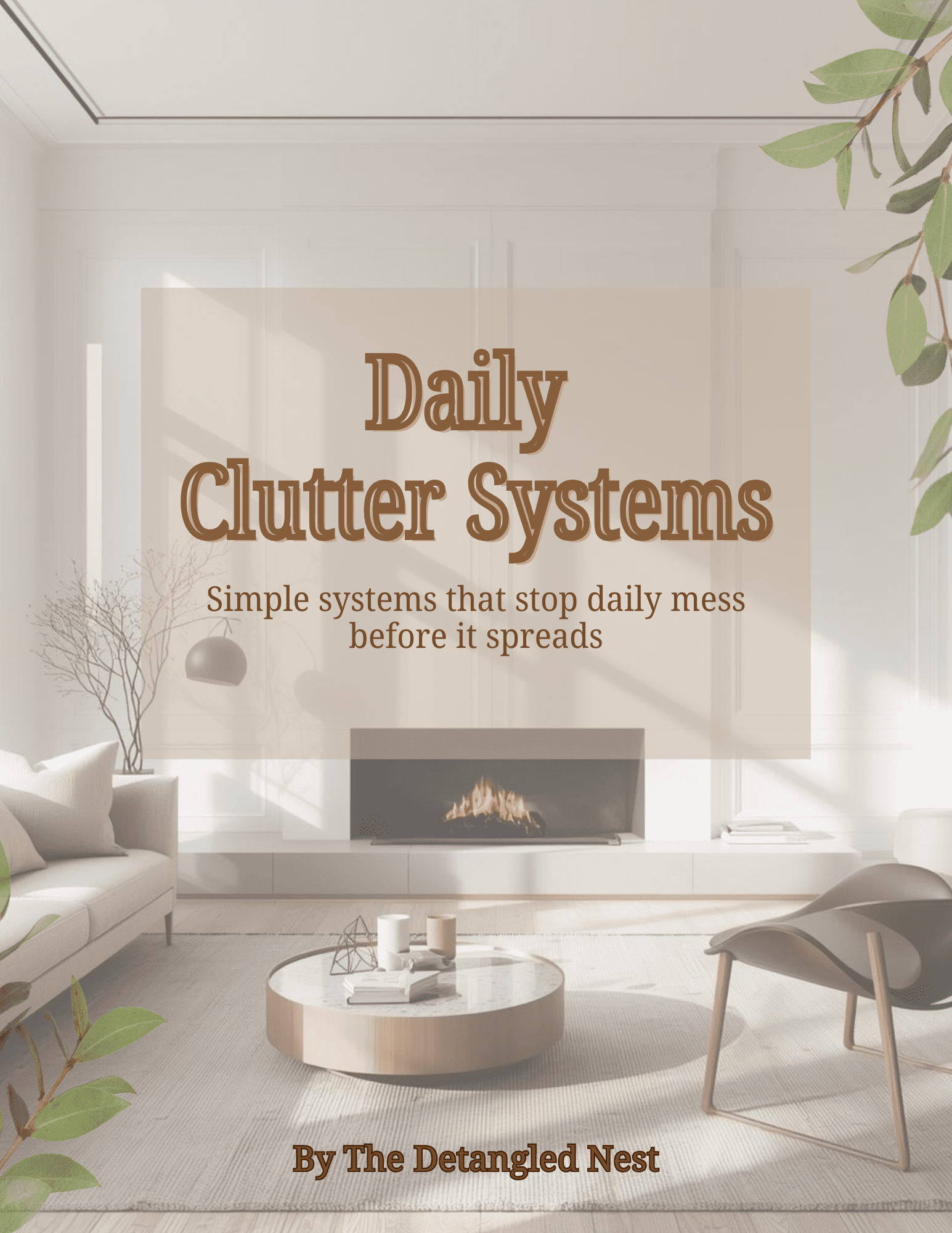
Printable workbook
Daily Clutter Systems
Stop mess before it starts — with simple systems that stick.
- Identify your daily clutter triggers
- Build an entry drop zone + kitchen reset
- Create your own daily clutter plan
Instant download • Personal use only


Laundry Basket with Lid, Clothes Hampers for Laundry with Bamboo Handles and A Removable Bag
Shop on AmazonWhy Tidying Never Lasts When You Rely on Motivation
One of the clearest reasons why tidying never lasts is because most homes rely on motivation instead of structure.
Motivation feels powerful in the moment. You wake up with energy, decide “today I’ll reset everything,” and the house looks great — for a few hours, maybe a day. But motivation is temporary. It disappears when you’re tired, busy, emotional, or simply living real life.
And when motivation disappears, so does order.
This is where the problem starts.
When a home depends on motivation, it also depends on memory:
-
remembering to put things back
-
remembering where things belong
-
remembering to reset spaces again and again
That’s a heavy mental load — especially for busy families, parents, or anyone already carrying a lot.
This is why tidying never lasts long-term. The system asks too much of you.
I used to think I just needed “more discipline.” If I tried harder, stayed more consistent, or followed better routines, the mess would stop returning. But the truth is, no one can stay motivated every day. And a home that requires constant motivation is designed to fail.
Structure works differently.
Structure doesn’t care how you feel.
It doesn’t rely on willpower.
It quietly supports you even on low-energy days.
When structure is missing, tidying becomes a loop:
clean → reset → repeat → burnout.
When structure exists, tidying becomes maintenance — not survival.
That’s the real shift that explains why tidying never lasts in so many homes — and why effort alone will never fix it.


Tineco Floor ONE S5 Smart Cordless Wet Dry Vacuum Cleaner and Mop for Hard Floors
Shop on Amazon
The Real Reason Tidying Never Lasts (It’s Not Laziness)
Let’s clear this up first: tidying never lasts because of missing structure — not because of laziness.
Clutter doesn’t come back because you’re careless, disorganized, or not trying hard enough. It comes back because your home is asking you to make the same decisions over and over again.
Every time an item doesn’t have a clear, obvious place, your brain postpones the decision:
“I’ll deal with this later.”
“I’ll put this away when I have time.”
“I’ll reset this tonight.”
Those postponed decisions stack up — and that’s what turns small messes into recurring clutter.
This is the part most people miss when they wonder why tidying never lasts. They focus on removing mess, instead of removing decision points.
I noticed this in my own home. Certain areas never stayed tidy no matter how often I cleaned them. Not because I didn’t care — but because those spaces didn’t tell me what to do with things. They were undefined. Flexible. Vague.
And vague spaces create clutter.
When a room doesn’t clearly answer:
-
Where does this item land?
-
Who is responsible for it?
-
When is it handled?
…tidying becomes temporary by default.
This is why even beautifully organized homes can feel exhausting to maintain. The systems look good, but they don’t guide behavior. They rely on memory and effort instead of clarity.
Once you understand this, the cycle finally makes sense:
You tidy → the space looks calm → life resumes → decisions pile up → clutter returns.
Not because you failed — but because the structure never changed.
And this is the exact point where tidying stops being the solution…
…and something more sustainable takes its place.


Shoe Storage Bench with PU Seat Cushion, Entryway Shoe Rack Bench with Metal Mesh Shelves
Shop on Amazon
What Actually Makes Tidying Stick (Without More Cleaning)
If you’ve ever wondered why tidying never lasts, the answer isn’t another routine, checklist, or weekend reset.
What actually makes tidying stick is structure that removes decisions.
Tidying fails when it depends on:
-
remembering what to do
-
having motivation at the end of the day
-
resetting the same spaces again and again
That’s not sustainable — for anyone.
Order starts to stick only when your home tells you what happens by default, without thinking.
I saw this shift the moment I stopped asking, “How can I keep this tidy?”
and started asking, “What decision keeps repeating here?”
Every space where tidying never lasts usually has one thing in common:
👉 there’s no clear “end point” for daily items.
Mail gets opened… but then what?
Bags come inside… but where exactly do they land?
Laundry gets folded… but why does it still sit there?
When the end point isn’t obvious, clutter pauses instead of finishing.
This is why tidying feels endless.
Tidying Sticks When One Rule Replaces Ten Actions
What actually works is this simple shift:
One clear rule for each recurring clutter zone.
Not ten habits.
Not more effort.
One decision that answers the question once.
For example:
-
Papers always go in one tray — not “any flat surface”
-
Bags hang in one spot — not “wherever there’s space”
-
Evening clutter gets closed with one small reset — not a full tidy
Once that rule exists, tidying stops being a task and starts becoming automatic.
This is the exact moment when people realize why tidying never lasts until structure is in place.
The mess doesn’t disappear because you try harder.
It disappears because the decision is already made.
And when decisions are already made, clutter has nowhere to pause.
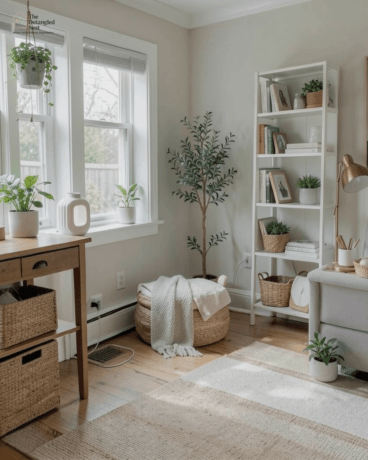
The Difference Between Cleaning and Systems (And Why Tidying Never Lasts Without Them)
One of the biggest reasons tidying never lasts is because most homes rely on cleaning — not systems.
Cleaning is an action.
Systems are structure.
Cleaning says:
-
“I’ll fix this later.”
-
“I’ll reset tonight.”
-
“I just need more time.”
Systems say:
-
“This is where it ends.”
-
“This is the default.”
-
“This doesn’t need thinking.”
For years, I cleaned constantly. My home looked fine — sometimes even great — but it never stayed that way. No matter how often I tidied, the same mess came back. That’s when I realized something important:
cleaning restores order, but systems maintain it.
This is why tidying never lasts when there’s no system underneath.
Why Cleaning Alone Can’t Make Tidying Stick
Cleaning depends on:
-
energy
-
time
-
motivation
And those three things change daily.
Some days you have them.
Most days, you don’t.
When your home depends on cleaning to stay calm, clutter always wins — because life keeps moving even when you’re tired.
That’s not a personal failure.
It’s a structural one.
Why Systems Quietly Do the Work For You
A system answers questions before clutter forms.
Instead of asking:
-
“Where should I put this?”
-
“What do I do with this later?”
-
“Why does this always end up here?”
The system already knows.
For example:
-
One place for daily papers
-
One landing spot for bags and keys
-
One closing routine that ends the day
When systems exist, tidying becomes a side effect — not a task.
And this is exactly why tidying never lasts in homes that rely on effort instead of structure.
Effort fades.
Structure stays.
Once you build systems, the mess doesn’t need to be “cleaned up” anymore — it simply doesn’t get a chance to build.

The Small Shift That Makes Tidying Stick
If you’ve ever wondered why tidying never lasts, the problem isn’t mess — it’s missing structure.
The shift that changes everything is this:
stop asking yourself to tidy, and start deciding where things end.
When everyday items don’t have a clear “end point,” they keep moving. From table to chair, from counter to drawer, from room to room. That constant movement is the real reason why tidying never lasts, no matter how often you clean.
Once each room has:
-
a clear purpose
-
clear landing spots for daily items
tidying stops being something you do and becomes something that happens naturally.
I noticed this the moment I stopped resetting my home and started supporting it. I wasn’t cleaning more — I was deciding less. Less effort. Less thinking. Less frustration. And suddenly, order lasted longer, which finally explained why tidying never lasts in homes that rely only on motivation.
That’s the truth most of us never hear:
Tidying doesn’t fail because we’re lazy or inconsistent.
Tidying fails because homes rely on effort instead of structure.
When structure is in place, order sticks — quietly, consistently, and without pressure.
Need a fast cleaning plan before visitors arrive? How to Clean House Fast Before Guests Arrive (Realistic 1-Hour Plan) shares simple steps that make a big difference.
Final Thoughts: Why Tidying Never Lasts — and What Finally Changes It
If tidying never lasts in your home, it’s not because you’re doing something wrong. It’s because effort alone can’t compete with everyday life. When order depends on constant resets, motivation fades — and clutter quietly returns.
What truly makes the difference is structure. When your home is supported by simple systems instead of constant decision-making, tidying stops feeling endless and starts lasting naturally. This is the foundation behind Daily Clutter Systems, where small, repeatable structures prevent mess before it begins — without pressure or perfection.
And on days when energy is low, even structure can feel like too much. That’s where a 5-minute decluttering routine becomes powerful. Short, realistic resets keep clutter from building up again, especially when you’re overwhelmed or short on time.
For a cleaner and fresher bedroom, see How to Deep Clean a Mattress (Remove Dust, Odors & Stains Step-by-Step) next.
The goal isn’t a perfectly tidy home.
It’s a home that doesn’t fight you every day.
For a deeper look at how environment and decision fatigue affect mental well-being, this research from Mindful.org explains why reducing daily decisions is one of the most effective ways to lower stress and create lasting calm.
You don’t need to clean more.
You don’t need to try harder.
When structure replaces effort, tidying finally sticks.
Affiliate Disclosure
This post may contain affiliate links. This means that if you click on a link and make a purchase, I may earn a small commission — at no extra cost to you. I only recommend products and resources that I genuinely believe are helpful, practical, and aligned with a calm, intentional home. Thank you for supporting The Detangled Nest 🤍



5 Comments